
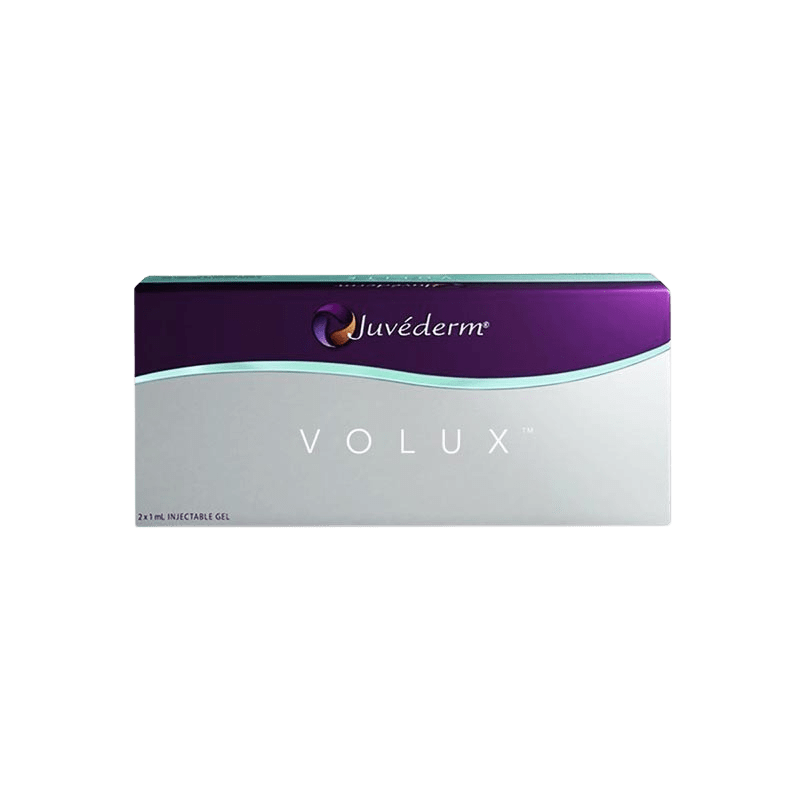
Juvéderm® Volux w/ Lidocaine
Order Juvéderm® Volux w/ Lidocaine for Clinics
Dermal Filler
$399.00
You save
Description
Juvéderm® Volux w/ Lidocaine is a crosslinked hyaluronic acid dermal filler for professional injection by trained healthcare practitioners. Licensed clinics can order Juvéderm Volux with Lidocaine in a 2 x 1 mL pre-filled syringe pack for lower-face contouring workflows, including chin projection and mandibular line definition. The formulation includes lidocaine to support procedural comfort during treatment-room use.
Med Wholesale Supplies serves licensed clinics, med spas, and healthcare professionals sourcing authentic brand-name medical products through vetted distributors and verified supply channels. This presentation is intended for professional use only, with clinic documentation, injector training, and local protocol review guiding purchase and administration.
Clinic Price, Pack Size, and Ordering Details
Clinics can sign in to view the current Juvéderm Volux with Lidocaine price for the available pack configuration. Each box contains two 1 mL pre-filled syringes and four sterile 27G 1/2 inch needles, which supports bilateral lower-face planning, staged refinement, or controlled inventory allocation for scheduled aesthetic sessions.
The Juvéderm Volux with Lidocaine 2 x 1 mL format is useful for practices that standardize stock by treatment area and injector preference. When placing a purchase order, align the requested quantity with your appointment schedule, expected retouch policy, and internal stock rotation rules. Labels include lot and expiry information to support intake records and traceability.
Quick tip: Keep lot, expiry, injector, and treatment-area documentation aligned with your clinic’s existing injectable-product records.
What This HA Filler Is Designed to Do
Juvéderm Volux with Lidocaine is a dense, cohesive hyaluronic acid gel designed for structural support in aesthetic contouring. Hyaluronic acid is a water-binding substance used in many dermal fillers; crosslinking helps the gel maintain shape and resist rapid breakdown. In this product, the gel is formulated at 25 mg/mL hyaluronic acid with 3 mg/mL lidocaine in a phosphate-buffered system at pH 7.2.
In clinical aesthetic practice, trained injectors use this type of high-structure filler to refine the jawline, support chin projection, and improve lower-face definition within an individualized treatment plan. The product is supplied ready for injection and should be used only by qualified professionals familiar with facial anatomy, vascular risk, aspiration or cannula preferences, aseptic technique, and adverse-event response procedures.
The integrated anesthetic is included to reduce injection-site discomfort. Clinics may still use their usual patient preparation and pain-management protocol when appropriate, but lidocaine in the syringe can streamline setup and reduce the need for separate anesthetic steps in some workflows.
Professional Applications in Lower-Face Contouring
Juvéderm Volux filler with Lidocaine is commonly selected when definition, projection, and angle control matter more than superficial softening. Lower-face cases may involve chin support, mandibular border refinement, or a broader harmonization plan that also addresses the midface, lips, or skin quality. The 1 mL syringe format gives injectors measured control while supporting symmetrical planning across the jawline.
For broader clinical context on technique planning, anatomy awareness, and documentation, clinics can review jawline filler workflow considerations. Practices standardizing Allergan Aesthetics products may also find Juvéderm formulation and clinic workflow guidance useful when training staff or organizing treatment-room processes.
Volux is not simply a general-purpose soft filler. Its role is structural contouring, so injector selection should consider tissue thickness, skeletal support, facial proportions, prior filler history, and the amount of projection required. Patient counseling should cover expected swelling, bruising, realistic contour goals, follow-up timing, and signs that require urgent clinical contact.
Key Features for Clinic Inventory
- Crosslinked hyaluronic acid gel formulated for structural contouring tasks.
- 25 mg/mL hyaluronic acid concentration in a cohesive gel system.
- 3 mg/mL lidocaine hydrochloride to support procedural comfort.
- Two sterile 1 mL pre-filled syringes per box.
- Four sterile 27G 1/2 inch needles included for single-use injection setup.
- Phosphate buffer at physiologic pH to support formulation stability.
- Clinic-ready presentation with lot and expiry details for traceability.
- Reference SKU: 89433.
These packaging details help clinics plan stock by appointment type rather than opening excess units. The two-syringe box can support bilateral work or a planned staged approach when the treating practitioner chooses to separate initial contouring from refinement.
Composition and Mechanism
The active structural material is crosslinked hyaluronic acid gel. Hyaluronic acid attracts and holds water, while crosslinking changes the gel’s resistance, cohesion, and duration profile compared with non-crosslinked HA. In lower-face contouring, those handling characteristics can help an experienced injector build projection and maintain sharper definition.
| Component | Supplied concentration or role |
|---|---|
| Hyaluronic acid gel | 25 mg/mL, crosslinked |
| Lidocaine hydrochloride | 3 mg/mL, local anesthetic component |
| Phosphate buffer | pH 7.2 support system |
The product is intended for single-patient professional use. Do not resterilize, reuse, or transfer remaining gel between patients. Follow the manufacturer’s instructions for use, your clinic’s aseptic protocol, and applicable professional standards for injectable implants.
Handling, Storage, and Treatment-Room Workflow
Store and handle the product according to the manufacturer’s packaging and instructions for use. Keep syringes in their original packaging until setup, protect sterile components from contamination, and inspect the box, syringe, needle packaging, lot number, and expiry date before use. Do not use the product if packaging integrity is compromised or if the product appearance conflicts with the manufacturer’s directions.
During intake, many clinics log the product name, quantity, lot, expiry, receiving date, and assigned storage location. During treatment, staff should document the syringe used, injection area, injector, needle or cannula choice, and patient response according to clinic policy. When required, we can coordinate temperature-controlled handling when required and tracked US delivery.
For practices that manage a wider injectable inventory, the dermal fillers category can help staff organize adjacent HA products, while the Juvéderm brand portfolio supports product-line standardization across facial regions.
Safety, Contraindications, and Monitoring
Dermal filler injections carry known procedural and product-related risks. Common short-term injection-site effects can include swelling, tenderness, redness, itching, bruising, firmness, discoloration, and localized discomfort. These effects are often temporary, but clinics should provide patients with clear aftercare instructions and a defined pathway for reporting concerns.
Serious complications can occur if filler is injected into or compresses a blood vessel. Potential vascular events may include skin blanching, severe pain, tissue injury, scarring, or visual symptoms. Injectors should understand facial vascular anatomy, use appropriate technique, monitor tissue response during treatment, and have an emergency protocol for suspected vascular compromise.
Screen patients according to the product labeling and clinic protocol before treatment. Important checks may include history of severe allergy, hypersensitivity to lidocaine or amide-type local anesthetics, active infection or inflammation near the injection site, bleeding risk, recent procedures, immune status, prior filler placement, and medications or supplements that may increase bruising. Individual suitability remains a clinician-led decision.
Clinics can support staff education with Juvéderm side-effect monitoring considerations. Any unexpected or serious adverse event should be documented and reported through the clinic’s usual pharmacovigilance or device-reporting channels.
Expected Duration and Counseling Points
Duration varies by product characteristics, treatment area, injection depth, patient metabolism, expression patterns, and follow-up strategy. For chin and jawline contouring, counseling should avoid fixed promises and instead explain that results are assessed after initial swelling settles and may be maintained with review visits when clinically appropriate.
Clinics answering patient questions about chin support can use chin filler duration counseling to frame realistic expectations. The discussion should include asymmetry, swelling, bruising, tenderness, temporary firmness, and the possibility that staged treatment may be safer or more aesthetically controlled than attempting a full correction in one visit.
Because lower-face fillers influence facial proportions, photographs, consent notes, baseline anatomy assessment, and follow-up planning are especially important. A structured workflow helps the injector separate normal early swelling from findings that require clinical review.
How Volux Fits Within the Juvéderm Range
Juvéderm is a family of hyaluronic acid dermal fillers with different gel characteristics for different aesthetic goals. Volux is generally used when lower-face structural definition is the priority. Other products in the range may be better suited to midface volume, lip contour, perioral refinement, or skin-quality support depending on the clinical plan.
For midface volume and lifting plans, clinics may consider Juvéderm Voluma with Lidocaine. When a softer facial contouring profile is needed, Juvéderm Volift with Lidocaine may fit different tissue and movement goals. For lip or fine-area planning, Juvéderm Volbella with Lidocaine may be reviewed as part of a broader treatment menu.
No filler is inherently better for every case. Product choice should reflect the target tissue plane, desired projection, rheology, injector technique, patient anatomy, and the safety profile described in the relevant instructions for use.
Ordering and Logistics for Licensed Practices
Licensed clinics and healthcare professionals can purchase this product through a professional account. Sign in to view current contract or volume terms, confirm the pack configuration, and submit clinic purchase orders. Include any intake notes that your facility uses for receiving, documentation, or inventory assignment.
US distribution supports predictable replenishment for practices that schedule injectable sessions in advance. To avoid last-minute substitution decisions, align ordering with your calendar, expected consultation conversions, and retouch policy. If this exact item is not suitable for a planned protocol, review alternatives with your clinical lead before appointments are booked.
Why it matters: Product selection, lot documentation, and trained administration all affect safe lower-face filler workflows.
Authoritative and Professional References
For clinical use, rely on the manufacturer’s current instructions for use, package materials, and your clinic’s professional training standards. General dermal filler safety information is also available from the American Society for Dermatologic Surgery dermal filler information. Use external references to support safety education, not as a replacement for product-specific labeling or hands-on injector training.
This content is for informational purposes only and is not a substitute for professional medical advice.
Frequently Asked Questions
Who can order Juvéderm Volux with Lidocaine?
This product is intended for licensed clinics, med spas, and healthcare professionals using dermal fillers in professional aesthetic practice. Account verification and clinic documentation may apply before ordering.
What comes in one box of Juvéderm Volux with Lidocaine?
Each box contains two pre-filled 1 mL syringes and four sterile 27G 1/2 inch needles. The formulation contains 25 mg/mL hyaluronic acid and 3 mg/mL lidocaine in a phosphate-buffered system.
What is Juvéderm Volux with Lidocaine used for in clinics?
Trained injectors use it for structural lower-face contouring, including jawline definition and chin projection. Treatment planning should follow product labeling, patient assessment, and clinic protocol.
How should clinics document this filler after receiving it?
Many practices record the product name, quantity, lot number, expiry date, receiving date, and storage location. During treatment, document the syringe used, treatment area, injector, and patient response according to clinic policy.
How is Volux different from Voluma or Volift?
Volux is selected for lower-face structural definition, while Voluma is commonly reviewed for midface volume and Volift for softer contouring needs. The best choice depends on anatomy, treatment area, gel characteristics, and injector technique.
What side effects should clinics monitor after treatment?
Common effects include temporary swelling, tenderness, redness, bruising, itching, firmness, or discomfort at the injection site. Clinics should also monitor for urgent warning signs such as severe pain, blanching, tissue changes, or visual symptoms.
Specifications
- Main Ingredient: Hyaluronic Acid
- Manufacturer: Allergan
- Drug Class: Aesthetic Surgery Product
- Generic Name: Hyaluronic Acid Filler
- Package Contents: 1mL - 2 Pre-Filled Syringes
- Storage Requirements: Room Temperature (2℃~25℃)
- Main Usage: Volume Filler
About the Brand
Juvederm
Welcome to the unique world of Juvederm, a renowned name in the medical aesthetics sector that brings forth an array of dermal fillers to uplift and refresh the skin. Irrespective of your need to eradicate those pesky fine lines, give a boost to your lips, or redefine your facial contours, we've got you covered with Juvederm's exceptional solutions. Get your hands on genuine Juvederm products by visiting our reputable online medical supply store, medwholesalesupplies.com. As a reliable source of medical supplies, we pledge to provide only high-quality products that are sourced from licensed makers, ensuring that your safety is never compromised. For your peace of mind, all Juvederm products available at medwholesalesupplies.com come with a guaranteed seal of authenticity and approval from recognized health authorities. Enjoy the comfort and ease of online shopping as you explore and compare Juvederm's range, choosing just the right product from the comfort of your home. Explore the world of Juvederm, a top choice in dermal fillers, at Med Wholesale Supplies. Understand what Juvederm is, discover the various Juvederm fillers available, and learn how long Juvederm results last. With our comprehensive product range and expert insights, you can choose the best Juvederm solutions to enhance your practice and achieve lasting results for your clients. Trust Med Wholesale Supplies for all your Juvederm needs!
Browse Juvederm Products
Here to help
Questions about ordering, delivery or products? You can email our team here or call now at 1-800-630-9757 and be connected with your dedicated Account Manager
Related Products
Evenity® (English Alternative)
Injectable Medication
$1,229.00 - $1,299.00
You save
You save
Intraline® For Men
Dermal Filler
$59.00 - $79.00
You save
You save
RejuvaNAD+ Pro
Injectable Medication
$237.00 - $249.00
You save
You save
Teosyal® RHA 4
Aesthetic Surgery Product
$259.00 - $279.00
You save
You save
Related Articles
Prednisone in Clinical Care: Uses, Risks, and Monitoring
Prednisone is a prescription systemic corticosteroid used to reduce inflammation or suppress immune activity in…
Lip Fillers Swelling Stages: Timeline, Safety, and Follow-Up
Lip fillers swelling stages usually follow a short inflammatory course: swelling appears soon after injection,…
Hypopigmentation of the Skin: Assessment and Care
Hypopigmentation of the skin means one or more areas look lighter than the surrounding skin.…
Radiesse vs Sculptra: Selection Factors for Clinics
Radiesse vs Sculptra is best understood as a comparison between two collagen-stimulating injectables with different…
Hyaluronic Acid Under-Eye Filler: Safety and Workflow
Hyaluronic acid under-eye filler is an injectable soft-tissue filler used by trained aesthetic clinicians to…
Dermal Filler Types: Materials, Uses, and Clinic Fit
Dermal filler types are usually grouped by their base material, tissue behavior, and expected role…
What Is Dysport? Clinical Uses, Safety, and Workflow
For clinic teams asking what is Dysport, the short answer is simple: Dysport is a…
Biostimulators in Aesthetic Care: Selection and Safety
Biostimulators are injectable aesthetic products used to encourage a controlled tissue response, often involving new…