

- You must be logged in to add items to the cart.
Description
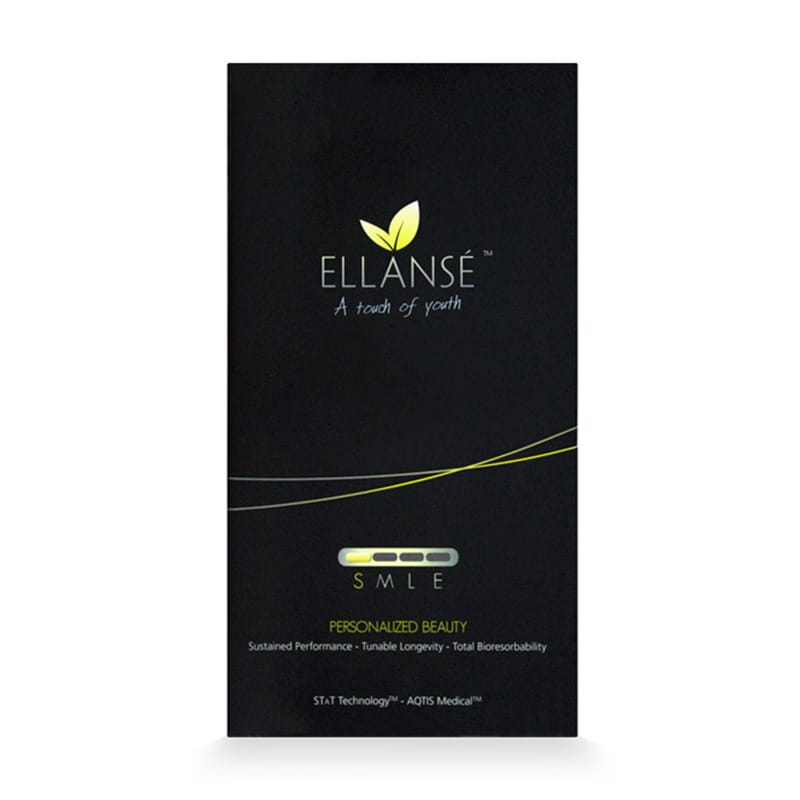
Ellanse™ S is an injectable dermal filler for professional facial volume restoration and contour refinement. Licensed clinics and healthcare professionals can order the 2×1 mL prefilled syringe pack for treatment-room use, inventory planning, and clinical documentation. The formulation combines polycaprolactone microspheres with a carboxymethyl cellulose gel carrier for immediate placement support and collagen-stimulating treatment protocols.
This product is intended for administration by trained injectors using appropriate aseptic technique, patient assessment, consent, and aftercare standards. Med Wholesale Supplies serves licensed clinics and healthcare professionals with brand-name medical products sourced through vetted distributors and verified supply channels for US distribution.
Ellanse S Price, Pack Size, and Clinic Ordering
Clinics can sign in to view the current Ellanse S price, available quantity, and professional purchasing terms for the 2×1 mL carton. Each carton contains two sterile, prefilled 1 mL syringes, giving purchasing teams a clear unit for cost allocation, treatment planning, and stock reconciliation.
Use reference SKU 82367 when matching the item to purchase orders, internal requisitions, or inventory records. The pack configuration helps practices plan single-patient treatments, staged contouring visits, or scheduled aesthetic programs without changing the documented syringe count per carton.
Quick tip: Match the carton count to your injector schedule, expected case mix, and expiry controls before placing larger replenishment orders.
What Ellanse Is and How It Works
Ellanse S dermal filler is a biostimulatory PCL filler. In this preparation, bioresorbable polycaprolactone microspheres are suspended in a carboxymethyl cellulose gel carrier. The CMC gel provides initial lift and helps the injector assess shape during placement, while the PCL microspheres can support a physiologic collagen response over time.
As the carrier gel is gradually resorbed, newly synthesized collagen may help sustain structural support according to the treatment plan and patient response. This makes Ellanse S different from conventional hyaluronic acid fillers, which are primarily selected for hydration, reversible volume, and soft tissue shaping. The distinction is practical: clinics often choose PCL-based products when collagen stimulation and longer structural support fit the patient’s treatment goals.
Ellanse products sit within the broader professional dermal filler category. Practices comparing filler types can browse dermal fillers or review educational context on hyaluronic acid versus non-hyaluronic acid fillers.
Professional Applications and Treatment-Room Fit
This material supports controlled placement in soft tissue planes where volume loss, contour imbalance, or collagen attrition is evident. Common professional applications include midface rebalancing, temple hollowing, perioral support, chin definition, and jawline contouring when anatomy, injector training, and clinic policy support those techniques.
Ellanse S can be incorporated into phased aesthetic programs alongside HA fillers, energy-based procedures, and other regenerative approaches. It may be selected when a stronger scaffold effect or collagen-driven plan is preferred, while HA products may remain useful for fine lines, high-hydration goals, or areas where reversibility is a deciding factor.
Technique, depth, cannula or needle choice, and total volume should reflect injector training, patient history, vascular risk, tissue quality, and the manufacturer’s professional instructions. Clinics developing a staged program may also use the Ellanse filler guide to support internal education and product comparison discussions.
Key Features for Clinical Procurement
- PCL microsphere base designed for biostimulatory aesthetic protocols.
- CMC gel carrier that provides immediate lift and placement control.
- Two sterile, prefilled 1 mL syringes per carton.
- Professional-use format suitable for treatment-room tray setup.
- Consistent syringe presentation for documentation and inventory workflows.
- Compatible with clinic-defined cannula or needle techniques when appropriate.
- Traceable carton labeling for routine lot and expiry records.
These attributes make the product practical for clinics that manage filler stock by case type, injector preference, and scheduled campaign demand. The two-syringe pack also supports straightforward cost tracking across consultations, treatment sessions, and follow-up plans.
Composition and Ingredients
Ellanse S contains polycaprolactone microspheres in a carboxymethyl cellulose gel carrier. Polycaprolactone is a bioresorbable polymer used in medical and aesthetic biomaterial applications. Carboxymethyl cellulose functions as the gel matrix that assists with immediate correction and handling during injection.
| Component | Clinical role |
|---|---|
| Polycaprolactone microspheres | Biostimulatory scaffold associated with collagen response over time. |
| Carboxymethyl cellulose gel | Carrier gel that supports initial lift, extrusion, and placement control. |
For complete composition, contraindications, and technique guidance, clinics should refer to the manufacturer’s professional literature and any training materials used by the supervising clinician.
Handling, Storage, and Documentation
Store and handle the product according to the carton label and manufacturer instructions. Receiving staff should reconcile the sealed carton against the purchase order, record the lot number and expiration date, and place the product into the clinic’s designated aesthetic inventory area.
Before a session, staff should prepare the product only within the clinic’s aseptic workflow. Single-patient use, sharps handling, consent forms, treatment mapping, and post-treatment notes should follow clinic protocol. We provide temperature-controlled handling when required and tracked US delivery.
Operational teams often document the injector, anatomical areas treated, syringe volume used, lot number, expiration date, and aftercare instructions. Clear records support adverse-event review, stock rotation, and consistent follow-up across multi-visit programs.
Safety, Expected Reactions, and Professional Precautions
Injection-site reactions may include mild irritation, swelling, itching, redness, tenderness, bruising, or temporary discomfort. These reactions are common to many injectable aesthetic products and should be explained during the consent process. Clinics should also educate patients on aftercare steps, expected recovery patterns, and when to contact the practice.
Only trained healthcare professionals should administer Ellanse S. Patient selection should consider medical history, prior filler placement, skin or soft tissue conditions, current medications, allergy history, and the risk profile of the planned anatomical zone. Avoid treatment when clinic protocols or manufacturer instructions identify a contraindication.
Serious complications are uncommon but can occur with dermal filler injections, including vascular compromise, infection, nodules, delayed inflammatory reactions, or tissue injury. Clinics should maintain escalation procedures, emergency supplies, and referral pathways appropriate to their scope of practice. Supervising clinicians should ensure injectors understand facial anatomy, aspiration and cannula policies, vascular risk zones, and adverse-event management.
Ellanse S Compared With Other Filler Choices
Ellanse S is not simply a direct substitute for every HA filler. It has a biostimulatory PCL profile and is selected when collagen support and contour structure align with the treatment plan. HA fillers remain widely used for lips, fine-line correction, hydration-focused approaches, and situations where reversibility is important.
Within the Ellanse family, clinics may compare S and M formats according to duration expectations, technique preference, patient suitability, and internal protocol. For related brand browsing, visit the Ellanse brand collection or review Ellanse M 2×1 mL prefilled syringes.
Practices evaluating broader collagen-stimulating strategies may also review educational comparisons such as Sculptra versus Radiesse, Lanluma injections, and AestheFill injection. These resources can help clinical teams frame differences in mechanism, handling, and treatment planning without treating one product as universally better.
Availability, FDA Context, and US Clinic Use
Clinics often ask whether Ellanse is available in the US or whether it has FDA approval. Regulatory status can differ by country, product version, and intended market. Purchasing teams should verify the product’s professional-use requirements, clinic policies, and any applicable local rules before adding it to a treatment menu.
Med Wholesale Supplies supports professional procurement for licensed clinics through verified supply channels and US logistics. Account access allows qualified facilities to view current pack availability, clinic pricing, and order documentation details for the Ellanse S 2×1 mL carton.
Because aesthetic device and filler rules can vary, do not rely on patient-facing claims or social media summaries when developing clinic protocols. Use manufacturer materials, professional training, and supervising-clinician review for treatment indications, injection planes, contraindications, and aftercare standards.
Comparable Clinic Products and Planning Resources
Product selection should match the treatment indication, injector skill set, patient expectations, reversibility needs, and follow-up plan. A clinic may keep Ellanse S for structural contouring while also stocking HA fillers for softer correction or hydration-driven cases. This balanced approach helps prevent forcing one material into every aesthetic indication.
The dermal fillers education category provides additional reading for clinics building internal protocols. For Ellanse-specific review, the long-lasting dermal filler article explains how PCL-based products are commonly positioned in aesthetic medicine.
When comparing Ellanse S vs M, document the rationale for product choice in the treatment plan. Consider the anatomical area, desired lift, expected follow-up cadence, and how the product will interact with previous filler treatments. Inventory managers should also track product movement by injector and indication to forecast future demand more accurately.
Authoritative Sources
Ready to streamline procurement? Sign in to view clinic pricing, add the 2×1 mL pack to your order, and coordinate documentation for professional inventory intake.
This content is for informational purposes only and is not a substitute for professional medical advice.
Frequently Asked Questions
What is Ellanse S used for in clinics?
Ellanse S is used by trained aesthetic professionals for facial volume restoration, contour refinement, and collagen-stimulating treatment plans. Common areas may include the midface, temples, chin, jawline, and perioral support when patient assessment and clinic protocol support treatment.
How is Ellanse S supplied?
Ellanse S is supplied as a carton containing two sterile, prefilled 1 mL syringes, for a total of 2 mL. Clinics should record lot and expiration details during receiving and treatment documentation.
Is Ellanse S a hyaluronic acid filler?
No. Ellanse S is a PCL-based biostimulatory dermal filler with polycaprolactone microspheres suspended in a carboxymethyl cellulose gel carrier. HA fillers and PCL fillers have different handling, reversibility, and treatment-planning considerations.
Can licensed clinics order Ellanse S online?
Licensed clinics and healthcare professionals can sign in to view current Ellanse S pricing, pack availability, and professional ordering details. Purchasing teams can use SKU 82367 for internal procurement records.
What reactions should clinics discuss before treatment?
Clinics should discuss expected injection-site reactions such as swelling, redness, bruising, itching, irritation, tenderness, or temporary discomfort. They should also maintain protocols for rare but serious filler complications, including vascular compromise, infection, nodules, or delayed inflammatory reactions.
How should Ellanse S be stored and documented?
Store Ellanse S according to the carton label and manufacturer instructions. Receiving staff should document the product name, lot number, expiration date, carton quantity, and purchase order match before placing it into clinic inventory.
How do clinics choose between Ellanse S and Ellanse M?
Choice should be based on the supervising clinician’s protocol, treatment area, desired contouring effect, duration expectations, and injector experience. Clinics can review both formats and document the clinical rationale for each patient plan.
Specifications
- Main Ingredient: Polycaprolactone (Pcl) Microspheres
- Manufacturer: AQTIS Medical BV
- Drug Class: Aesthetic Surgery Product
- Generic Name: Injectable Filler
- Package Contents: 1mL x 2 Pre-Filled Syringes
- Storage Requirements: Room Temperature (2℃~25℃)
- Main Usage: Volume Filler
About the Brand
Ellanse
Ellanse is a pioneering brand in the medical field, known for its wide selection of dermal fillers used in aesthetic and corrective procedures. The brand's unique formulation delivers enduring results that enhance facial features, alleviate wrinkles, and rejuvenate aging skin. The coveted brand is now purchasable on our trusted e-commerce platform, medwholesalesupplies.com. When you choose to buy Ellanse through medwholesalesupplies.com, you benefit from several perks. Primary among them is our commitment to source all products directly from the brand, ensuring their authenticity and quality. As a buyer, this gives you peace of mind regarding the safety and efficacy of purchased Ellanse dermal fillers. Furthermore, medwholesalesupplies.com furnishes you with competitive prices and convenient delivery options, making access to this innovative medical brand more comfortable. Medical professionals choosing to buy Ellanse through us will enable them to provide their patients the latest in aesthetic and corrective treatments. The prolonged effects of Ellanse treatments mean patients can relish the results for a more extended period, alleviating the need for regular clinic visits. Our user-friendly online order system and dependable shipping arrangements equip medical professionals to replenish their Ellanse products conveniently, ensuring they are always prepared to deliver superior results to their patients.
Browse Ellanse Products
Here to help
Questions about ordering, delivery or products? You can email our team here or call now at 1-800-630-9757 and be connected with your dedicated Account Manager
Related Products
JALUPRO® PLUS 4ML
Skin Rejuvenation Treatment
$86.00 - $89.00
You save (%)
You save (%)
$339.00
You save (%)
You save (%)
Select options
This product has multiple variants. The options may be chosen on the product page
Juvéderm® SKINVIVE
Dermal Filler
$339.00 - $359.00
You save (%)
You save (%)
$86.00 - $119.00
You save (%)
You save (%)
Related Articles
Prednisone in Clinical Care: Uses, Risks, and Monitoring
Prednisone is a prescription systemic corticosteroid used to reduce inflammation or suppress immune activity in…
Lip Fillers Swelling Stages: Timeline, Safety, and Follow-Up
Lip fillers swelling stages usually follow a short inflammatory course: swelling appears soon after injection,…
Hypopigmentation of the Skin: Assessment and Care
Hypopigmentation of the skin means one or more areas look lighter than the surrounding skin.…
Radiesse vs Sculptra: Selection Factors for Clinics
Radiesse vs Sculptra is best understood as a comparison between two collagen-stimulating injectables with different…
Hyaluronic Acid Under-Eye Filler: Safety and Workflow
Hyaluronic acid under-eye filler is an injectable soft-tissue filler used by trained aesthetic clinicians to…
Dermal Filler Types: Materials, Uses, and Clinic Fit
Dermal filler types are usually grouped by their base material, tissue behavior, and expected role…
What Is Dysport? Clinical Uses, Safety, and Workflow
For clinic teams asking what is Dysport, the short answer is simple: Dysport is a…
Biostimulators in Aesthetic Care: Selection and Safety
Biostimulators are injectable aesthetic products used to encourage a controlled tissue response, often involving new…