Clinic purchasing teams tend to focus on unit counts and lead times. For needles and cannulas, that is not enough. When you buy cannulas and needles wholesale, the risk profile shifts toward documentation, traceability, and safe handling at scale.
This guide is written for licensed clinics, practice managers, and clinicians who influence supply decisions. It covers practical checks you can build into procurement. It also outlines how to match device features to common clinic workflows, without giving procedure-specific medical advice.
For broader purchasing fundamentals, see Medical Supplies Wholesale Guide.
Key Takeaways
- Define clinical use-cases before setting SKU lists.
- Verify sterility, packaging integrity, and label completeness.
- Require traceability: lot, expiration, and UDI records.
- Standardize connectors to reduce mismatch and leaks.
- Control sharps risk with training and disposal workflows.
Access is typically limited to licensed clinics and healthcare professionals.
How to buy cannulas and needles wholesale: A Clinic Workflow
Wholesale purchasing works best when it mirrors your day-to-day clinic flow. Start by mapping which teams touch the device. That includes ordering, receiving, storage, point-of-care setup, and post-use disposal. Each handoff is a chance to miss a label detail or lose lot information.
Separate “clinical selection” from “procurement execution.” Clinicians can define acceptable ranges for gauge, length, and connector style. Procurement can then translate that into approved SKUs, documentation requirements, and reorder triggers. If you run injectables in an aesthetic setting, your sourcing standards may overlap with filler and adjunct devices. The article Aesthetic Clinic Sourcing Standards provides a useful framing for documentation and verification.
Clinic Workflow Snapshot
- Define use-cases and acceptable specifications.
- Approve suppliers and documentation expectations.
- Place orders using standardized SKUs and connectors.
- Receive and inspect packaging and labeling.
- Record lot, expiration, and UDI in your system.
- Store by environmental needs and stock rotation.
- Stage supplies using aseptic technique (germ-minimizing technique).
- Dispose of sharps and document incidents.
Why it matters: You cannot reconstruct traceability after a label is discarded.
Where you source also influences your record burden. Many clinics prefer suppliers that route products through vetted distribution channels. This reduces the chance of incomplete paperwork and unclear provenance.
Device Selection That Matches Real Clinic Use
Selection should be driven by your services, not by what is cheapest. If you buy cannulas and needles wholesale for multiple service lines, standardization prevents errors. It also reduces training load for new staff. Start by listing your core workflows, such as phlebotomy (blood draw), intradermal or subcutaneous injections, or IV access support.
In aesthetic practices, blunt-tip cannulas are often considered for soft-tissue filler placement, while sharp needles may be preferred for other steps. In medical settings, hypodermic needles are selected for injection, aspiration, or sampling based on protocol. Keep your evaluation anchored to risk control: compatibility, sterility, and ease of safe handling.
Blunt-Tip Cannula vs Sharp Needle
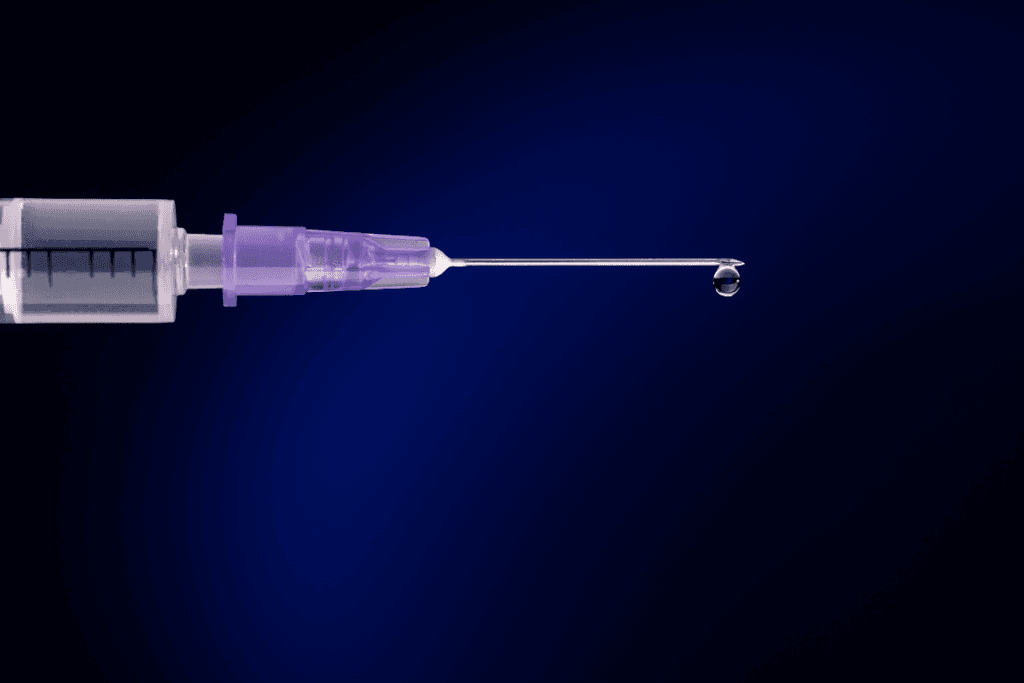
A blunt-tip cannula is designed to separate tissue planes rather than cut through them. A sharp needle is designed to penetrate tissue with minimal force. That difference has operational implications. Blunt tips may require an introducer or pilot entry in some workflows. Sharp needles require heightened attention to needlestick prevention and immediate sharps containment. Neither choice is “safer” in all contexts. Your protocols, anatomy targets, and staff training determine the risk profile and the appropriate device class.
Gauge, Length, and Connector: What to Standardize
Gauge is commonly understood as a proxy for diameter, but procurement should not treat it as a standalone spec. Length, bevel design, hub style, and dead space also affect handling and waste. Build a simple “acceptable range” document for each workflow and keep it under version control. When you need clinician-facing references, a simple internal needle gauge chart for medical use can be more reliable than ad hoc memory.
| Selection factor | What to verify | Why it matters |
|---|---|---|
| Gauge and length | Range, labeling, consistency across lots | Supports protocol alignment and staff familiarity |
| Tip type | Sharp vs blunt; intended access method | Changes handling steps and sharps risk points |
| Connector | luer lock vs luer slip connectors | Affects secure fit and mismatch likelihood |
| Material | Stainless steel grades for needles (as labeled) | Helps assess corrosion resistance and break risk |
| Use model | Single use vs reusable cannulas policy | Impacts reprocessing burden and compliance exposure |
When you need concrete examples for staff education, link to representative device pages rather than informal photos. For example, SoftFil Cannula and SoftFil Precision Micro Cannula can help teams visualize cannula formats. For injection-assist micro-needling devices used in some clinics, MicronJet Device is another example of a labeled, single-use format to review during training.
Sterility, Packaging, and Label Checks at Receiving
Before you buy cannulas and needles wholesale, decide what “acceptable packaging” means in your clinic. Sterile barrier systems are only helpful if they arrive intact and are stored correctly. Train receiving staff to recognize obvious red flags. These include crushed boxes, broken seals, wet cartons, missing IFUs, or inconsistent lot labels between inner and outer packaging.
Sterility assurance level (SAL; probability of a viable microorganism remaining) is often communicated through standards-based validation rather than a “sterile” claim alone. You may not see SAL printed on every unit, but you can require documentation that supports the sterility process used and the packaging validation approach. Many sterile packaging standards for needles are aligned with ISO 11607 concepts for packaging performance and integrity, even when the standard number is not printed on the box.
What “complete labeling” looks like in practice
Label completeness is not just a regulatory nicety. It makes recalls, adverse event investigations, and internal audits survivable. At minimum, your team should be able to identify the device, intended single-use status, manufacturer, lot or batch, and expiration dating and storage conditions. If your clinic uses scanning, confirm the barcode format is readable and consistently placed. Keep a controlled process for retaining outer boxes until lot data is captured. This is especially important when devices are split into procedure trays.
Authenticity and brand integrity matter more when you source at volume. MedWholesaleSupplies supports licensed clinical customers with authentic, brand-name products.
Regulatory Signals and Documentation to Request
To buy cannulas and needles wholesale with confidence, treat compliance as a set of verifications, not a feeling. Your checks will vary by device class and region. In the U.S., you may look for alignment with FDA regulations for medical cannulas and relevant device listing expectations. In the EU and other markets, CE marking requirements for cannulas can apply under medical device rules. Do not rely on marketing claims alone. Ask for the documentation that supports the claim.
Build your internal file around traceability. That includes lot traceability and batch records, plus retention rules that match your risk tolerance and local requirements. For some clinics, documentation for device unique identification UDI (Unique Device Identifier) is the backbone of traceability. UDI also helps when you need to reconcile inventory, investigate complaints, or respond to recalls.
Supplier audit checklist for medical devices
- Authorized channels stated in writing
- Manufacturer identification and contacts
- Lot and expiration on all levels
- UDI availability and barcode quality
- IFU and language accessibility
- Change notification process clarity
- Complaint and returns pathway documented
For procedure-adjacent safety context in aesthetic clinics, review Dermal Filler Safety Protocols. It can help align device sourcing with injection-room controls, even if your clinic’s protocols differ.
Sharps Safety, Training, and Disposal Controls
Even when you buy cannulas and needles wholesale from reputable channels, the largest risk in many clinics is preventable injury. Needlestick injury prevention strategies start with standard work. Make “where does the sharp go next?” a rehearsed habit. This includes point-of-use sharps containers, no passing of uncapped sharps, and clear responsibility when multiple staff are present.
Sharps disposal compliance OSHA requirements often intersect with training and incident reporting. Your clinic should maintain training requirements for cannula handling, including what to do after an exposure incident. Policies vary by organization and state, so keep your content aligned with occupational health guidance and your exposure control plan.
Quick tip: Place sharps containers within arm’s reach of the procedure position.
Infection control protocols for injections also depend on the “pre-procedure” environment. That includes clean storage, intact packaging, and disciplined opening technique. If your practice performs mesotherapy, you may want a consistent approach to device selection and room setup across providers. See Mesotherapy Injections Overview for operational context, then map it to your own policies. For device examples used in some mesotherapy workflows, Mesorelle Needles can be a reference point when discussing packaging and labeling expectations.
Inventory Controls and Procurement Policy That Hold Up
Many clinics buy cannulas and needles wholesale to reduce stockouts and standardize care delivery. The tradeoff is that inventory mistakes scale quickly. Start with simple controls: par levels by room, first-expire-first-out rotation, and documented quarantine steps for damaged goods. Make lot and expiration capture part of receiving, not a “later” task.
Minimum order quantity considerations healthcare teams face can also drive overbuying. Counter that with clearer demand signals. Tie consumption to procedure counts and clinician scheduling. For clinics that operate across multiple sites, centralize procurement policies for medical disposables. Standardize who can add new SKUs and how substitutions are approved.
Vendor logistics can matter operationally. Some clinics prefer US distribution to simplify documentation and routing. Others prioritize whichever model best supports continuity and traceability.
Common pitfalls to avoid
- Mixing connectors across rooms
- Splitting boxes before recording lots
- Storing near heat or moisture
- Uncontrolled “equivalent” substitutions
- Missing incident follow-up documentation
Many suppliers support reliable provenance by sourcing through vetted distributors. That structure can simplify your verification work, especially during audits.
Use internal category hubs sparingly for browsing and SKU cleanup. A catch-all list like Product Category Listing can help you find items that need better internal classification.
Authoritative Sources
- FDA: Unique Device Identification (UDI) System
- OSHA: Bloodborne Pathogens and sharps basics
- European Commission: Medical devices and CE framework
Procurement decisions for sharps are risk decisions. Document your rationale, then make it easy for staff to follow. If you update one part of the system, update training and receiving checks too.
This content is for informational purposes only and is not a substitute for professional medical advice.