
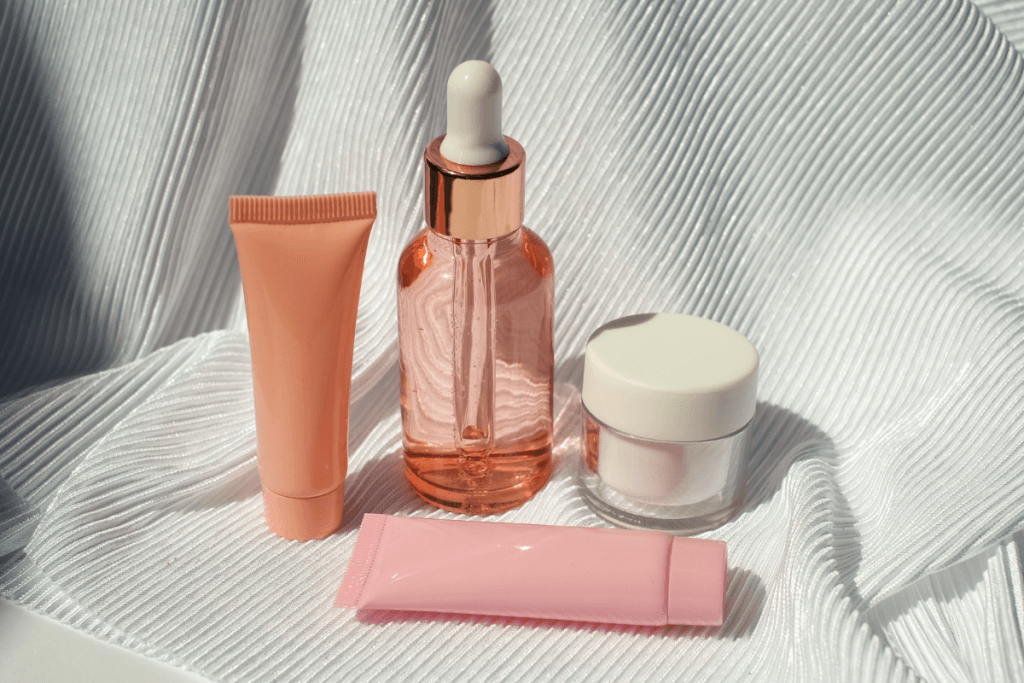
Skincare products in aesthetics work best when clinic teams evaluate them by function, formulation quality, tolerability, and workflow fit rather than by trend language alone. The “science-meets-nature” idea can be useful, but only when it translates into clear ingredient review, stable packaging, realistic claims, and repeatable patient instructions. For licensed clinics, the practical goal is a smaller, well-understood product set that supports counseling, documentation, and consistent follow-up.
Natural-origin ingredients can improve texture, scent, and patient interest. Clinical credibility still depends on formulation controls, batch consistency, preservation, and evidence quality. Your role is not to chase every new ingredient. It is to set a selection standard that matches your patient mix, staff training, and procurement process.
Key Takeaways
- Define the role: assign each item to cleansing, treatment, hydration, or protection.
- Read the full INCI: review actives, irritants, fragrance, and preservative systems.
- Limit routine friction: add one new variable at a time when possible.
- Match tolerance needs: adjust texture, frequency, and stop-rules for reactive skin.
- Document the chain: record sourcing, lots, expirations, and storage expectations.
How Clinics Should Frame Skincare Products
The first question is not which brand is “best.” It is what job the product should perform in the routine. A cleanser should remove soils without unnecessary barrier disruption. A serum should have a defined target, such as pigment appearance, texture, hydration, or oxidative stress support. A moisturizer should improve comfort and reduce transepidermal water loss, which means water escaping through the outer skin barrier.
This function-first approach helps staff give consistent guidance. It also reduces overcomplicated routines. Patients often arrive with mixed products from social media, retail stores, and professional channels. A simple classification system lets your team sort those items by role before judging whether they fit together.
For clinic procurement, skincare products also need operational review. That includes packaging integrity, storage directions, lot documentation, and whether the item is appropriate for staff counseling. MedWholesaleSupplies serves licensed clinics and healthcare professionals through vetted distribution channels, which can support traceability when practices build a professional skincare program.
Why it matters: Clear product roles make irritation reports easier to interpret.
Where Science Meets Nature in Formulation Design
“Natural” does not automatically mean gentle, stable, or safer for sensitive skin. Botanical extracts vary by plant source, harvest, processing method, and solvent system. Essential oils and fragrance components can also trigger irritation or allergic contact dermatitis (skin inflammation from an allergen or irritant) in susceptible patients.
Lab-designed ingredients are not automatically harsh. Many humectants, emollients, peptides, and barrier lipids are engineered for predictable purity and performance. The most clinic-friendly skincare products often combine natural-origin ingredients with controlled formulation science. The important question is whether the finished product is stable, well preserved, clearly labeled, and suitable for the intended skin type.
When a vendor uses “science-meets-nature” language, translate it into specific review points. Ask whether botanical extracts are standardized. Check whether antioxidant ingredients have packaging that limits light and air exposure. Review pH-sensitive actives, exfoliating acids, and retinoid-like ingredients for possible compatibility issues. Packaging may matter as much as the headline ingredient, especially for oxidation-prone formulas.
If your team tracks broader professional skincare categories, a browseable clinical collection can help compare product formats without turning the discussion into a single-brand decision. For example, the Clinical Skincare category can support line-level orientation when reviewing cleansers, serums, creams, and hydration products.
Routine Order: Keep the Basics Clear
Most routine problems come from stacking too many active steps, changing several items at once, or combining irritating ingredients. Clinics can reduce complaints by teaching sequence and purpose instead of long brand lists. Each step should have a primary job, a frequency plan, and a stop-rule for unexpected irritation.
A practical baseline uses five roles: cleanse, treat, moisturize, protect, and reassess. Optional steps, such as toners, essences, mists, or masks, should earn their place. They can improve adherence when they add comfort. They can also add fragrance, acids, or preservatives that complicate tolerance.
| Routine step | Primary role | Clinic counseling point |
|---|---|---|
| Cleanser | Remove soils, oil, and sunscreen | Over-cleansing may worsen dryness or stinging |
| Treatment serum | Target texture, pigment, acne-prone skin, or aging concerns | Introduce one active at a time when tolerance is uncertain |
| Hydrator or essence | Add light hydration or comfort | Screen fragrance in reactive skin |
| Moisturizer | Support barrier comfort and reduce water loss | Texture affects adherence and cosmetic acceptability |
| Sunscreen | Provide daytime photoprotection | Real-world use depends on amount and reapplication habits |
When a routine is unstable, simplify first. A gentle cleanser, moisturizer, and daytime sunscreen create a useful reset point. Then add one targeted active if the patient’s skin tolerates the baseline. A product such as ZO Hydrating Cleanser can serve as an example of a cleanser format within a professional skincare line, not as a universal requirement.
Quick tip: If irritation appears, document what changed before adding another product.
Ingredient Families That Help Decision-Making
Ingredient families give clinics a practical way to compare skincare products without relying only on brand reputation. The same category may include very different strengths, delivery systems, and tolerability profiles. Staff should avoid assuming that two “vitamin C” or “retinol” products behave the same.
Antioxidants and environmental stress
Antioxidants are often marketed for radiance, pollution exposure, or visible aging support. In clinical language, they are topical ingredients that may help address oxidative stress on the skin surface. Stability is the main operational issue. Some antioxidants change color, odor, or performance when exposed to light, air, heat, or incompatible pH conditions.
Vitamin C products vary widely. Some use L-ascorbic acid, while others use derivatives designed for different stability or tolerance goals. Your staff scripts should stay measured. Avoid broad claims that all antioxidant products produce the same results. For a deeper educational reference, see Antioxidants And Skincare.
Retinoids and texture concerns
Retinoids are common in routines targeting uneven texture, visible aging, and photodamage appearance. They also have a predictable irritation profile, especially during initiation or when combined with exfoliating acids. Screening should include sensitivity history, current exfoliant use, and recent procedure context.
Clinic teams should avoid product-to-product equivalency claims unless the label and formulation details support that comparison. A professional retinol item, such as ZO Growth Factor Serum or other targeted formulas in a line, should be discussed by ingredient role and tolerability fit rather than as a guaranteed outcome.
Hydration and barrier support
Barrier comfort often determines whether patients continue a routine. Humectants draw water into the outer skin layers. Emollients soften and smooth surface feel. Occlusives reduce water loss by forming a more protective layer. Each type can be useful, but texture matters for adherence.
Fragrance, denatured alcohol, strong exfoliants, and multiple active products can complicate reactive skin. If your clinic sees post-procedure sensitivity or frequent dermatitis reports, consider a conservative hydration pathway. Products such as Hylanses MD HA Advance Hydration Gel Cream can be evaluated as hydration formats within a broader barrier-support category.
Peptides are also common in anti-aging conversations. Keep messaging balanced and cosmetic in scope. For background on how peptide claims are often framed, use Peptides And Anti-Aging as an educational reference point.
How to Evaluate Claims, Trends, and Global Routines
Trend-driven routines should be translated into clinical functions before a clinic accepts or rejects them. K-beauty routines, “glass skin” messaging, and viral product lists can increase patient engagement. They can also increase irritant load and make reactions harder to trace.
Instead of debating whether a trend is good or bad, map the routine into jobs: cleanse, hydrate, treat, seal, and protect. Then review each product for fragrance, exfoliating acids, retinoid-like activity, heavy occlusives, and duplicate actives. This approach respects patient interest while keeping the assessment repeatable.
Rankings and “top 10” lists rarely reflect clinic outcomes. They often reflect popularity, distribution, marketing reach, and consumer preference. A clinic standard should focus on ingredient transparency, tolerability risk, formulation stability, and fit with the rest of the routine.
- Ingredient transparency: complete INCI and clear active positioning.
- Tolerance risk: fragrance, acids, alcohols, and sensitizers.
- Stability signals: packaging, storage notes, and oxidation risk.
- Workflow fit: staff education burden and patient instructions.
- Claim discipline: cosmetic language that avoids overpromising.
For line-level education, keep references neutral and practical. A staff primer such as ZO Skin Health can help teams standardize terminology for a professional range. Clinics comparing dermatologist-dispensed brands may also use Mediderma Skin Care for broader context on product positioning and category language.
Special Situations: Acne, Sensitive Skin, and Isotretinoin Context
Some patient groups need tighter routine control. Acne-prone skin, highly reactive skin, and patients using oral isotretinoin require careful screening and conservative product changes. Clinics should avoid assuming that popular skincare products are appropriate just because they are labeled “clean,” “natural,” or “non-comedogenic” (less likely to clog pores).
For acne-prone skin, fragrance-light and non-comedogenic options may be useful, but labels are not a guarantee. Heavy occlusives, aggressive scrubs, and multiple acids can worsen irritation for some patients. If the patient is under medical treatment, topical recommendations should stay aligned with the treating clinician’s plan.
During isotretinoin therapy, dryness, lip irritation, and skin fragility are common concerns. Patients should follow prescriber guidance, especially around exfoliants, waxing, procedures, and active ingredients. Clinic staff should not add retinoids, strong acids, or aggressive resurfacing products without clinician review. If severe irritation, swelling, blistering, or signs of infection occur, the patient should be directed to appropriate medical care.
Clinic Operations: Verification, Storage, and Records
Operational controls make product selection safer and easier to audit. The same formula may perform differently if it is expired, stored in heat, exposed to light, or sourced through unclear channels. Practices should define who approves new SKUs, who trains staff, and how product issues are recorded.
For a clinic-facing skincare program, start with a small core list. Add targeted products only when staff can explain the role, sequence, tolerance concerns, and escalation process. MedWholesaleSupplies provides brand-name medical products for licensed clinics through verified supply channels, which can help practices maintain more consistent procurement records.
A simple workflow is often enough:
- Verify clinic eligibility and approved product categories.
- Document supplier, lot number, expiration date, and SKU mapping.
- Inspect seals, labels, packaging integrity, and visible product condition.
- Store products according to label directions and light-protection needs.
- Dispense with written routine order and clear change instructions.
- Record product use and patient-reported tolerance at follow-up.
Policies vary by specialty, state, and accreditation needs. Keep procedures adaptable, but consistent. A one-page receiving log and a standard counseling handout often prevent more errors than a complex binder that staff do not use.
Authoritative Sources
- FDA cosmetics overview and regulatory scope
- American Academy of Dermatology skin care basics
- FDA information on fragrances in cosmetics
Science-meets-nature positioning is useful only when it becomes a clinic standard. Focus on function, formulation controls, tolerance, documentation, and sourcing. Done well, skincare products become a more predictable part of aesthetics care rather than a rotating trend list.
This content is for informational purposes only and is not a substitute for professional medical advice.