
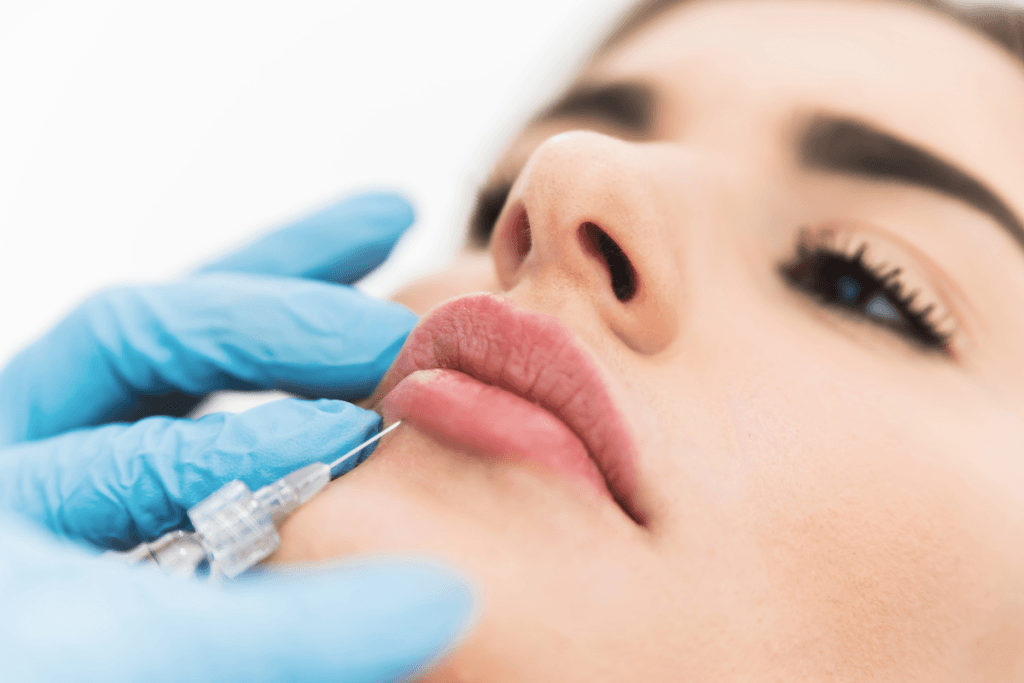
Soft lip enhancement has become a precision procedure, not a volume race. For many clinics, aliaxin fl lips comes up when you want subtle projection, defined borders, and a “soft volume” look. This guide frames the product class in practical terms. It focuses on evaluation, technique planning, and clinic operations. It also highlights documentation and sourcing steps that support safe, auditable use.
Lip anatomy is unforgiving. Small changes can read as dramatic. Product selection, rheology, and injection approach all shape outcomes. So does the plan for swelling, bruising, and follow-up.
MedWholesaleSupplies supplies only to licensed healthcare professionals and clinics.
Key Takeaways
- Define goals first: border, body, philtrum, and perioral lines.
- Use rheology terms to predict spread, lift, and feel.
- Plan technique by anatomy, not by trend names.
- Set expectations for swelling, downtime, and documentation photos.
- For aliaxin fl lips, keep IFU and traceability central.
Where This HA Lip Filler Fits Clinically
Most lip fillers used in aesthetics are hyaluronic acid gels. HA is a naturally occurring glycosaminoglycan (water-binding sugar) found in skin and connective tissue. In filler form, crosslinking helps the gel persist and hold shape. The practical question is how a specific gel behaves in lip tissue over time.
Before you compare brands, align on the clinical target. Are you primarily treating a thin upper lip with limited vermilion show? Are you refining cupid’s bow definition filler goals? Or is the main concern perioral lines treatment filler planning for etched “smoker lines” around the mouth? These scenarios can push you toward different gel behaviors and different injection strategies.
For a quick refresher on the broader landscape, the site’s Types Of Lip Fillers overview is a useful starting point. If you want to browse by class rather than brand, the Hyaluronic Acid Fillers category can help you map options consistently.
What “Soft Volume” Usually Means in Practice
Soft volume is less about “small amount” and more about distribution and tissue integration. Clinics often use the phrase to describe results that look hydrated and gently projected, without a hard edge or a palpable step-off. It typically implies controlled spread, a smooth transition at the vermilion border, and careful management of central vs lateral fullness.
When patients bring in “before and after” images, clarify what they like. Many images show optimized lighting, post-treatment swelling, or a specific posing technique. That makes standardized photography and consistent angles essential for your own records and for any discussion about natural lip filler results.
aliaxin fl lips: Product Context and Patient Goals
What is aliaxin fl in practical clinic terms? It is generally discussed as a lip-focused HA dermal filler within the IBSA Derma Aliaxin range. Clinics usually evaluate it the same way they assess any HA gel: texture, handling, integration, and the kind of definition it can support.
Operationally, treat it as one option within a broader lip toolkit. Some practices keep a “soft definition” option, a “more structural” option, and a product reserved for perioral lines. If you use multiple fillers, a consistent selection framework reduces rework and minimizes patient confusion.
When you are cross-referencing inventory, keep the comparison grounded in labeling, training, and your standard protocols. If you also stock alternatives, you may want to compare against options such as Aliaxin LV Lips Volume, Hyacorp Lips, or Fillmed Art Filler Lips Soft. Keep the conversation patient-goal driven rather than brand-driven.
Rheology, G’ and Cohesivity: Practical Interpretation
Rheology is the “how it behaves under force” story. In lips, that matters because the tissue moves constantly. It also has thin layers, high vascularity, and visible boundaries. The terms can feel abstract, but they map to tangible outcomes like border crispness, projection, and palpability.
G prime and cohesivity lips discussions often show up in consult notes. In general, higher elasticity (often described as higher G’) is associated with greater shape support. Cohesivity is about how well the gel holds together, which can influence how it spreads or stays localized. Neither metric alone predicts aesthetics. The same gel can read differently based on depth, patient anatomy, and technique.
Reading Rheology Beyond Marketing
When you see “aliaxin fl rheology” referenced in trainings or sales materials, treat it as a prompt to ask better questions. Ask how the product is intended to be placed, what planes are commonly used by trained injectors, and how it is expected to feel after integration. Also ask what “touch-up” looks like in that practice’s workflow, because maintenance planning is part of patient satisfaction.
Products are obtained through vetted distributor networks to support authenticity checks.
If you want deeper technique context, consider reviewing Lip Augmentation Techniques. For a broader overview of the Aliaxin line positioning, Aliaxin Introduction can help standardize team language.
Technique Planning: Depth, Tools, and Anatomy
Technique choices often determine whether a “soft volume” result reads refined or overdone. Clinics that standardize anatomy language reduce miscommunication across providers. Use consistent terms for the vermilion border, wet-dry junction, cupid’s bow peaks, and oral commissures. Document what you treated and what you intentionally left untreated.
For aliaxin fl lips technique planning, keep decisions anchored to anatomy and training. Avoid copying social-media trend names. “Russian lips with aliaxin” is often used to describe a stylized vertical emphasis. The same name can refer to different entry points and planes across trainings. If a patient requests a trend, translate it into measurable goals like height, border definition, and side profile projection.
Cannula vs Needle Considerations
Cannula vs needle lips planning is usually about control, bruising patterns, and access to specific subunits. Needle placement can allow highly localized deposition, while a cannula may support broader distribution through fewer entry points. Either approach can be appropriate depending on provider skill, anatomy, and clinic protocol. Document the rationale and the instrument type used for quality improvement.
Depth selection matters. Providers sometimes search for aliaxin fl injection depth guidance, but depth is not a universal number. It depends on the target (border vs body), patient tissue thickness, and the desired edge softness. Follow your formal training and the product IFU for intended planes and technique constraints.
For patients with thin lips, plan for restraint. Aliaxin fl for thin lips discussions often center on how to create definition without creating a ledge. Small asymmetries can become noticeable when you chase symmetry too aggressively. A staged plan with conservative goals usually supports better long-term satisfaction.
Expected Reactions, Safety, and Contraindications
Every lip filler consult should include expected reactions and red flags. Aliaxin fl swelling is a common pre-appointment concern because lips swell easily and are visible. Emphasize that early swelling can mask shape. Bruising can occur even with careful technique. Schedule planning should reflect that, especially for patients with public-facing work.
Side effects for HA lip fillers are usually described as transient injection-site reactions, such as swelling, tenderness, erythema, firmness, and bruising. Less common but higher-risk events include vascular compromise and infection. Your clinic’s emergency preparedness, escalation pathway, and documentation standard should be aligned before offering any filler service.
Why it matters: Clear safety counseling reduces avoidable after-hours calls and rushed “fixes.”
Aliaxin fl safety discussions should stay anchored to the IFU, your jurisdiction’s rules, and your injector training. Contraindications vary by product and region. In general, clinics often defer treatment in settings like active skin infection near the site, uncontrolled inflammation, or known hypersensitivity to components. If a formulation contains lidocaine, screen for relevant allergy history. When uncertain, defer to the official labeling and local medical governance.
If you are comparing options like aliaxin fl vs juvederm or aliaxin fl vs restylane, keep it methodical. Compare approved indications in your market, syringe design and handling, reversibility planning, and your team’s training coverage. Avoid making claims based on anecdotes or social media photos.
Aftercare Communication and Maintenance Timing
Post-procedure guidance should be consistent, written, and easy to follow. Aliaxin fl aftercare counseling typically focuses on protecting the injection sites, minimizing contamination risk, and avoiding behaviors that could worsen swelling. Keep statements conservative and aligned with your medical director’s policy. Do not promise exact timelines, because bruising and edema vary widely.
Set expectations using standardized photos and notes. Many clinicians track “aliaxin lip filler before and after” outcomes with consistent lighting, neutral expression, and the same camera distance. Include a profile view when the goal is projection. For perioral lines, include relaxed and pursed-lip images. Consistency helps you and the patient interpret change without bias.
Maintenance planning also benefits from neutral language. Aliaxin fl longevity is influenced by patient factors, technique, product characteristics, and lifestyle. Rather than quoting a fixed duration, describe a follow-up rhythm: early check-in to assess integration, and later reassessment for possible lip filler touch up timing if clinically appropriate. Document the plan and the reason for any staged approach.
Quick tip: Use the same photo protocol for every follow-up visit.
Reversibility should be discussed before treatment, not after a problem arises. For HA gels, dissolving lip filler hyaluronidase is commonly referenced as an option, but protocols vary and must align with your clinical governance and training. Patients should understand that “dissolving” is a medical intervention with its own risks, not a cosmetic reset button.
Clinic Operations Checklist: Sourcing, Documentation, Storage
Clinical quality depends on operational discipline. That includes product verification, lot traceability, and clear chain-of-custody practices. It also includes training records and standardized consent language. Procurement teams and lead injectors should align on what must be documented before a product is released for use.
For clinics that source through MedWholesaleSupplies, products are positioned for licensed practices seeking brand-verified inventory.
- Verify licensure: confirm account and facility credentials.
- Check labeling: match name, language, and packaging integrity.
- Record lot data: lot number and expiry in your system.
- Store per IFU: temperature and light conditions as specified.
- Document use: product, site, injector, and technique notes.
- Plan follow-up: schedule and photo protocol expectations.
A simple workflow snapshot can keep teams aligned:
- Verify clinic eligibility and authorized users.
- Document product selection criteria and training coverage.
- Select from your approved filler set and equivalents.
- Receive and inspect shipments; reconcile against invoices.
- Store according to the manufacturer’s instructions for use.
- Record administration details in the patient record.
- Review outcomes and adverse events in QA meetings.
When you need to standardize your formulary, it can help to browse your site’s Dermal Fillers hub for comparable categories. If you keep a lip-focused set for different “feels,” you might also reference the product listing for Aliaxin FL Lips 1 mL alongside other clinic staples like Stylage Lips Plus Bi-Soft With Lidocaine.
For additional context on duration counseling and visit cadence, see How Long Do Lip Fillers Last. For consult framing and product selection language, What Is Lip Augmentation can help align front desk and clinical teams.
Finally, revisit your standards periodically. As your injectors gain experience, you may refine your indication boundaries, photo checklist, and adverse-event documentation. That is also the right moment to review aliaxin fl lips maintenance patterns in your own population and adjust follow-up templates accordingly.
Authoritative Sources
For baseline safety language and regulatory context, use primary sources whenever possible. These references support patient counseling, consent design, and internal training.
- FDA overview of dermal filler risks: Dermal Fillers (Soft Tissue Fillers)
- American Academy of Dermatology patient safety guidance: Dermal Fillers
- ASPS overview of soft tissue fillers: Dermal Fillers
Further reading on product families and clinic technique language is available in Aesthetic Treatments For Beautiful Lips and Best Lip Fillers 2025. Use them as discussion aids, then defer to IFUs and your governance.
This content is for informational purposes only and is not a substitute for professional medical advice.