


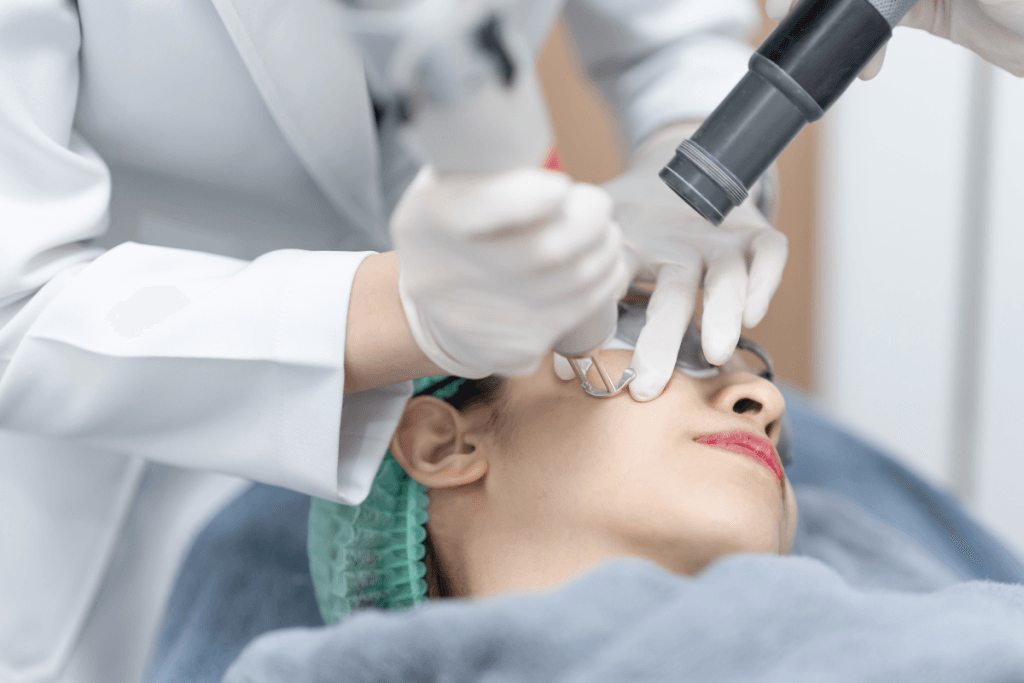
A facial aesthetic plan is a structured clinical workflow for assessing the face, matching concerns to appropriate nonsurgical options, and documenting care decisions. For clinics, the value is consistency. A clear process helps teams distinguish movement lines, contour concerns, skin quality, and patient expectations before any treatment is selected.
Key Takeaways
- Start with analysis: assess structure, movement, skin quality, and patient priorities together.
- Sequence care deliberately: separate movement, volume, and skin concerns to reduce rework.
- Document consistently: use repeatable photo, consent, lot, and follow-up records.
- Keep sourcing controlled: verify product pathways and maintain traceability across clinic inventory.
- Stay scope-aware: align treatment decisions with local rules, labeling, and internal protocols.
What Facial Aesthetic Planning Means in Practice
Facial aesthetic work is not one procedure or one product category. It is a planning discipline that combines facial anatomy, skin condition, patient goals, and risk controls into one documented care pathway. In a clinic setting, that pathway usually starts with assessment and ends with follow-up documentation.
Patients may describe broad goals, such as looking less tired or more refreshed. Clinicians translate those goals into treatable findings. Common examples include dynamic rhytids (movement-related lines), volume loss, shadowing, dyschromia (uneven color), laxity, texture change, or barrier disruption. That translation should happen before a modality is chosen.
Planning also protects the team. When records show what was assessed, what was discussed, and why a treatment was or was not selected, later reviews become easier. This matters in multi-provider clinics, where a patient may see different clinicians across consultation, treatment, and follow-up.
Many clinics use category-level education to keep staff language consistent. For example, a team may review Types Of Dermal Fillers when discussing how volume-support products differ by general use case. That training should support assessment language, not replace product-specific labeling or local protocols.
Facial Aesthetic Assessment: What to Evaluate First
A good facial aesthetic assessment separates the concern into structure, movement, skin, and expectation. This prevents teams from chasing one visible line while missing the pattern that created it.
Static and Dynamic Review
Begin with the face at rest. Assess symmetry, facial thirds, orbital framing, midface support, lip-to-chin balance, jawline continuity, and neck transition where relevant. Then evaluate animation. Ask the patient to frown, smile, raise the brows, and speak naturally if those movements relate to the concern.
This distinction is practical. A line caused mainly by muscle movement is assessed differently from a shadow caused by tissue position or volume change. Skin texture, pigment, and hydration can also change the way lines appear, even when deeper structure is stable.
Skin Quality and Barrier Status
Skin quality affects both planning and aftercare. Note erythema (redness), sensitivity, active irritation, acneiform lesions, pigment changes, sun damage, and recent use of active topicals such as retinoids or exfoliating acids. This does not mean every skin issue must be treated before injectables. It means the plan should acknowledge skin status and avoid unnecessary ambiguity.
For clinics that combine procedures with professional topical regimens, the Clinical Skincare collection can support browsing by product category. Use any topical plan within the clinician’s scope, patient tolerance, and clinic protocol.
Patient Goal Translation
Record the patient’s primary concern in their own words. Then add the clinician’s assessment using precise terms. “Under-eye hollowness,” “tear trough shadowing,” and “malar volume change” may overlap visually, but they are not identical planning statements.
Why it matters: Better wording reduces mismatched expectations during consent and follow-up.
Core Anatomy and Proportion Concepts
Facial anatomy for aesthetic planning includes more than named vessels and nerves. It also includes tissue planes, fat compartments, retaining ligaments, bone support, and how facial movement changes surface appearance.
Clinics should standardize anatomy language across staff. A consultation coordinator, injector, and follow-up clinician should understand the same chart terms. This reduces handoff errors and helps new team members learn the clinic’s preferred documentation style.
Proportion analysis should stay flexible. Classic teaching tools, such as facial thirds or ratio-based landmarks, can help organize observations. They should not override age, sex, ethnicity, dental function, expression, or patient preference. A technically symmetrical result may still look inappropriate if it ignores the person’s baseline character.
Dental and perioral factors deserve extra care in facial aesthetics in dentistry workflows. Perioral support, lip movement, occlusion, and local scope rules can all affect planning boundaries. If dental teams provide injectable or skin-related services, training should include anatomy depth, complication response, and supervised clinical practice rather than marketing-only certification claims.
Sequencing Treatment Without Turning the Plan Into a Product List
Treatment sequencing helps clinics decide what to address first, what to delay, and what not to treat. The plan should describe clinical priorities before it names products.
A common approach is to assess movement first, then structure, then skin quality. That sequence is not mandatory, but it often prevents overcorrection. For example, movement management may change how a forehead or glabellar concern presents. Midface support may affect shadows that look like isolated under-eye concerns. Barrier repair may improve tolerance before some resurfacing or topical programs.
Neuromodulators are usually discussed for movement-driven concerns. Dermal fillers are commonly discussed for contour support, volume restoration, and shadow management. Collagen stimulators may be considered when the planning goal involves gradual structural support. Skin treatments may address tone, texture, and barrier condition. Each option has different consent, contraindication, follow-up, and documentation needs.
Internal education can help teams explain these distinctions without making unsupported claims. For filler-specific planning, Popular Dermal Fillers offers general context on facial regions and product categories. For broader nonsurgical trends, Non-Surgical Aesthetic Treatments can help teams frame how injectables and skin treatments fit into modern clinic offerings.
Product examples should remain limited and purposeful in an educational workflow. A page such as Botox may help staff identify a prescription neuromodulator example, while Sculptra Clinical Planning can support deeper discussion of biostimulatory volume restoration concepts. Product selection still depends on scope, labeling, patient factors, and clinician judgment.
Clinic Workflow Controls That Should Be Repeatable
Repeatable workflow controls help clinics manage risk before, during, and after treatment. The strongest systems are simple enough for staff to use every time.
Consultation and Consent
Consultation records should include relevant medical history, prior aesthetic procedures, current medications and supplements when required by protocol, allergies, pregnancy or lactation screening where applicable, and previous adverse reactions. The record should also state the patient’s priority concern and the clinician’s findings.
Consent should be modality-specific. It should cover expected course, realistic limitations, common risks, serious risks, alternatives, and when to contact the clinic. Many teams use teach-back, where the patient repeats the key points in plain language. This can be useful when several treatment options are discussed in one visit.
Photography and Mapping
Standardized photography is one of the easiest ways to improve follow-up quality. Use consistent lighting, angles, background, facial expression, and camera distance. Document whether photos show rest or animation. If diagrams are used, keep symbols and region labels consistent across providers.
Mapping should match the procedure. Movement maps, filler planning diagrams, peel areas, and skincare regimens all need different details. Avoid vague charting that cannot be reconstructed later.
Inventory and Traceability
Product identity should be easy to verify from receipt to administration. Record lot numbers, expiry dates, storage conditions when required, and the patient chart connection. Clinics should avoid informal transfers between sites unless their quality system allows and documents them.
MedWholesaleSupplies serves licensed clinics and healthcare professionals as a B2B supplier. In procurement discussions, the practical issue is traceability: brand-name inventory should move through vetted distributor channels with documentation that supports clinic records.
Quick tip: Keep one shared planning template across providers and locations.
Practical Clinic Checklist
Use a short checklist to keep the facial aesthetic consultation consistent. It should support clinical thinking, not replace it.
- Confirm scope: match services to local rules and staff credentials.
- Capture history: document relevant medical, procedure, and medication details.
- Record goals: preserve the patient’s wording and clinician findings.
- Take photos: use consistent views, lighting, and facial expressions.
- Assess anatomy: review structure, movement, skin, and asymmetry.
- Sequence options: separate immediate priorities from later refinements.
- Review consent: discuss risks, limits, alternatives, and aftercare triggers.
- Track inventory: connect product identifiers to receiving and chart records.
- Plan follow-up: define review timing according to clinic protocol.
Some clinics organize staff education around operational categories. The Clinic Operations collection can support browsing for workflow, documentation, and practice-management topics related to aesthetic services.
Comparing Related Modalities and Adjacent Topics
Comparisons should focus on the clinical problem, not brand preference. “Botox versus filler” is a common patient framing, but the clinic question is more specific: is the concern mainly movement, structure, skin quality, or expectation mismatch?
Neuromodulators are generally considered when repeated muscle contraction drives visible lines or shape changes. Fillers are generally discussed when contour, support, or shadowing is the planning focus. Biostimulatory products may be considered when the care plan involves gradual support over a longer horizon. Skin treatments and clinical skincare can be relevant when texture, pigment, barrier function, or acne-related concerns dominate.
For injectable portfolio planning, teams may review product-specific resources such as Juvederm For Clinics alongside category training. They may also evaluate examples such as HArmonyCa or Belotero Revive when building internal familiarity with different product classes. These examples should not be treated as default choices.
Some consumer questions can be reframed for clinic use. If a patient asks whether they can get a facial while using retinol, the clinic should assess irritation, barrier status, treatment type, and protocol. If a patient asks about the “best facial” for acne, the answer should account for acne severity, active inflammation, medications, and whether medical dermatology review is needed. Tipping questions are not clinical, but front-desk staff can handle them through the clinic’s service policy rather than the medical record.
Aftercare, Follow-Up, and Documentation Standards
Aftercare instructions should be written, modality-specific, and easy to understand. They should avoid promises about outcome duration or degree of change. Patient factors, product labeling, procedure type, and technique all influence the expected course.
Good aftercare documentation states what was provided, what symptoms or events should trigger a clinic call, and how follow-up will occur under the clinic’s protocol. Serious symptoms, unexpected pain, visual symptoms, skin color change, signs of infection, or systemic reactions should be escalated according to the clinic’s emergency and referral procedures.
Follow-up notes should compare like with like. Use the same photo views when possible. Record the patient’s subjective response, the clinician’s objective findings, and any adverse event discussion. If a touch-up, staged procedure, or decision not to treat is documented, explain the rationale in neutral terms.
When inventory is involved, connect treatment notes to lot and expiry records. This supports incident review, recall response, and quality improvement. It also helps clinics interpret outcomes across providers, product categories, and time.
Authoritative Sources
Clinic protocols should align with current labeling, local regulation, and recognized medical references. Use external sources for safety-sensitive updates and internal SOPs for local workflow details.
- PubMed: Facial Aesthetic Analysis Review
- FDA: Aesthetic and Cosmetic Devices
- CDC: Outpatient Infection Control Guidance
Strong facial aesthetic planning combines careful assessment, realistic goal translation, controlled sourcing, and repeatable documentation. Clinics that standardize these steps are better positioned to train staff, audit records, and maintain consistent patient communication.
This content is for informational purposes only and is not a substitute for professional medical advice.




