Interest in lemon bottle fat dissolving has grown in aesthetic and wellness clinics. Many teams now field questions about “fat dissolving injections,” photo results, and safety. This guide frames the topic as an operations and risk review. It focuses on what to verify, what to document, and how to set realistic clinic processes. It does not cover dosing, injection technique, or patient-specific decisions.
If your practice offers body-contouring services, align procurement and clinical governance early. Start by mapping your intended use, patient communication boundaries, and escalation pathways. You can also place it in context beside broader obesity-care tools in your Weight Loss Category planning.
Key Takeaways
- Separate localized contouring from systemic weight management workflows.
- Verify labeling, lot data, and documentation before stocking.
- Use a consistent method to review photos and testimonials.
- Plan adverse-event response steps and staff training requirements.
- Compare alternatives using workflow and governance criteria.
What Lemon Bottle Fat Dissolving Is and Isn’t
Clinics often describe these products as injectable lipolysis (fat-breakdown) solutions used for localized contouring. In practice, teams should treat them as procedure-adjacent inventory with higher governance needs than typical consumables. That means you want clear chain-of-custody records, defined clinical oversight, and standardized documentation. For broader background on the category, review the internal overview on Fat Dissolving Injections Guide.
It also helps to set boundaries around the word “weight loss.” Local contouring injections are not the same operationally as chronic disease pharmacotherapy. They involve in-clinic administration, procedure notes, and post-procedure monitoring expectations. They also generate “before and after” demand that can create compliance risk if your messaging outruns the evidence.
This supplier works with verified clinics and licensed healthcare professionals.
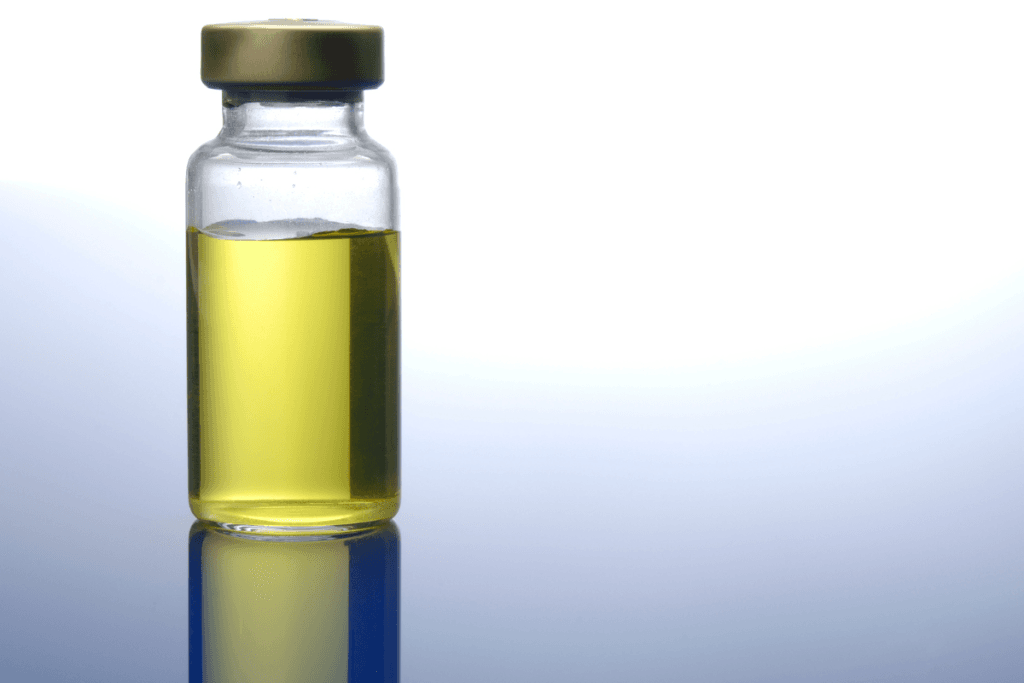
When you evaluate inventory options, keep your review neutral. Focus on: what the product is marketed to do, what your medical director permits, and what your local regulations allow. If you are simply orienting your team to the product landscape, you can reference the listing for LemonBottle Ampoule Solution as an example of how items may be presented for clinic procurement.
Ingredients, Labeling, and “Instructions PDF” Requests
Many clinics receive requests for a “fat dissolving ingredients” list, plus a lemon bottle fat dissolving instructions pdf. Treat these as documentation triggers, not marketing materials. Your goal is to confirm what is in the vial, how it should be handled, and what the manufacturer claims. If any key element is missing, pause intake until you can reconcile it through primary documentation.
Ingredients are not just a patient-facing talking point. They drive allergy screening workflows, adverse-event triage, and how you phrase informed consent language. They also determine whether your clinic classifies the item as a drug, device, cosmetic, or other regulated category in your jurisdiction. When product labeling is unclear, align with your compliance lead before you build protocols around it.
Document checks that reduce risk
Build a repeatable intake review for every lot. Keep it simple and auditable. Confirm the outer packaging and the primary container match, and record the details in a way your team can retrieve later. For clinics that stock multiple injectables, the same controls you use for other contouring agents can apply here. Background reading on common lipolysis ingredients can help your team standardize terminology; see Phosphatidylcholine Benefits for context on how ingredient discussions are often framed.
At minimum, consider documenting: product name as labeled, lot or batch identifier, expiration date, supplier information, and any included instructions for use. If you receive an “instructions PDF,” store it in a controlled location. Link it to the lot number used for treatment days. Version control matters when staff rotate and protocols get updated.
Quick tip: Keep a single intake template so every shipment is reviewed the same way.
What Reviews and Before-and-After Images Can (and Can’t) Tell You
Search interest often clusters around lemon bottle fat dissolving reviews, “does it work,” and photo galleries. In a clinic setting, treat these sources as signals about expectations and messaging risk, not as proof. Reviews can be biased by selection, lighting, and short follow-up windows. They also frequently omit the details that matter operationally, such as documentation quality, lot traceability, and clinician training.
Before-and-after content raises additional pitfalls. Photos may reflect posture changes, temporary swelling, different camera distance, or selective framing. “Chin,” “face,” “arms,” “thighs,” and “stomach” sets are especially hard to compare without standardized angles. If your team uses images for patient education, use only assets you have rights to, and pair them with a conservative explanation of variability.
A photo-review protocol your team can follow
Set internal criteria for assessing any claim that relies on images. Require consistent time points, matching lighting, fixed distance, and documented camera settings when possible. Ask whether the subject’s weight changed, whether other procedures occurred, and whether the images show the same anatomical landmarks. When you see “lemon bottle injection before and after” posts online, assume missing context unless it is clearly documented. If your clinic captures its own images, standardize consent language and retention schedules.
Safety, Side Effects, and When to Escalate
Teams commonly search for lemon bottle fat dissolving side effects and “side effects reviews.” From an operations perspective, the safest approach is to plan around broad, injection-related risks and product-specific unknowns. Injection site reactions can occur with many injectable procedures. More serious complications are less common, but they are the reason you need clear triage rules, documentation discipline, and an escalation plan that staff can follow.
Build a consistent incident pathway that covers patient calls, photos submitted after hours, and documentation for follow-up. Define what front-desk staff can say, and when clinical staff must take over. Also define where to document events in the medical record versus internal quality logs. If you work with multiple aesthetic injectables, align your “stop and escalate” thresholds across services so staff do not improvise under pressure.
Why it matters: A predictable response plan reduces delays when symptoms do not follow your expected course.
Clinics should also avoid “how to use at home” narratives. If a patient asks about self-injection, treat it as a safety and scope-of-practice concern. Reinforce that procedures belong in a controlled setting with trained staff, appropriate supplies, and documented aftercare instructions. This protects patients and reduces liability exposure for the clinic.
Clinic Operations: Verification, Receiving, and Documentation
Even when clinicians feel comfortable with the procedure class, the operational weak points are usually upstream. That includes supplier verification, receiving controls, and lot-level traceability. If you decide to stock lemon bottle fat dissolving, formalize who is allowed to receive it, where it is stored, and how usage is logged. This prevents “orphan vials” and gaps in your ability to respond to later questions.
Consider whether your procurement model supports consistent access and documentation. Some practices also prefer suppliers with US distribution to simplify internal receiving workflows. Whatever your model, keep your processes consistent across all injectable items, not just this one.
Products are sourced as authentic, brand-name items through vetted distributor channels.
Clinic workflow snapshot
- Verify supplier and item documentation.
- Receive shipment and reconcile contents.
- Record lot and expiration details.
- Store per labeled requirements.
- Dispense for scheduled clinic use.
- Document administration in the record.
- Log adverse events and follow-up actions.
Procurement and intake checklist
- Label match: outer and vial
- Lot tracking: recorded and searchable
- Expiry review: before stocking
- IFU access: controlled, versioned
- Staff training: documented competency
- Consent language: reviewed by leadership
- Aftercare handouts: standardized wording
- Escalation path: on-call and referral plan
Comparing Injectable Lipolysis Options
Clinics often ask how to interpret “lemon bottle vs aqualyx” discussions. Treat comparisons as workflow decisions first, and product decisions second. Ask what level of manufacturer documentation you can obtain, how predictable your sourcing is, and how you will train staff. Also separate local contouring from systemic obesity management workflows, which may involve different prescribers, follow-up cadence, and patient education materials.
For example, some practices offer GLP-1–based weight management services alongside aesthetic contouring. That creates distinct documentation streams and patient expectations. If you maintain both, make sure staff can explain the difference without making efficacy promises. For internal planning, you may cross-reference your obesity-care education content such as Wegovy GLP-1 Therapy and Ozempic Weight Loss, and keep product inventory separated by program.
Below is a simple comparison table focused on operational questions. It avoids clinical performance claims and dosing details.
| Decision Factor | What to Ask Internally | Why It Changes Workflow |
|---|---|---|
| Documentation quality | Do you have consistent IFU, labeling, and traceability? | Drives training, consent language, and incident review. |
| Supply consistency | Can you maintain the same product/lot standards over time? | Reduces protocol drift and staff confusion. |
| Staff competencies | Who is credentialed to administer and document the procedure? | Supports consistent notes and escalation steps. |
| Patient expectations | How will you message variability and “before/after” limits? | Decreases complaints tied to online photo comparisons. |
| Program alignment | Is this part of aesthetics, weight management, or both? | Determines follow-up cadence and record pathways. |
If you stock multiple contouring injectables, keep category-level education available for staff. Your team may benefit from reviewing Aqualyx Treatment Notes and the corresponding product listing Aqualyx 10 Vials to understand how different listings present documentation and handling expectations. The same separation principle applies to metabolic therapies; if you reference GLP-1 products internally, keep labels and governance clear, such as for Wegovy FlexTouch 1 mg.
Vetted distributors are used to source brand-name medical products.
Authoritative Sources
Further reading should support your internal governance. Focus on documentation, injection safety standards, and consistent patient communication. When evidence is limited or heterogeneous, your operational controls become the main safety net.
This content is for informational purposes only and is not a substitute for professional medical advice.