
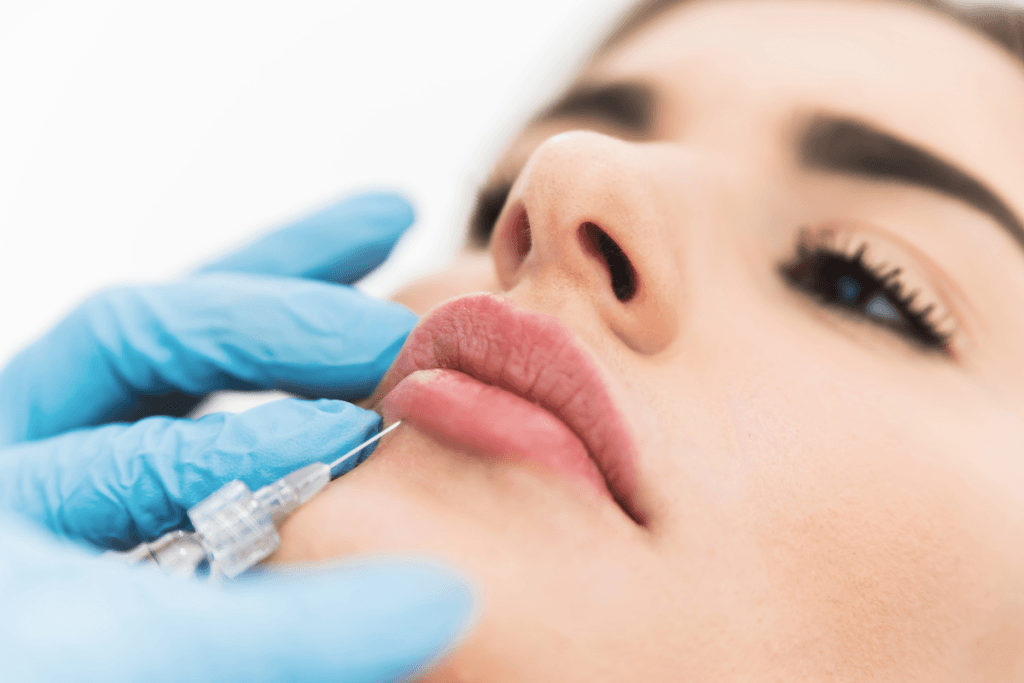
Aliaxin FL lip filler is best approached as a soft-volume and contour-planning option, not as a one-size lip augmentation choice. For clinics, the key question is whether the product behavior fits the patient’s lip anatomy, movement, tissue quality, and safety profile. Lips are mobile, vascular tissue, so product selection can affect contour control, swelling expectations, review timing, and complication planning.
This discussion is framed for licensed clinics, injectors, and healthcare teams evaluating lip filler selection in a professional setting.
Key Takeaways
- Define the endpoint before choosing a filler.
- Assess movement, tissue quality, and asymmetry first.
- Separate contour goals from volume goals.
- Confirm local regulatory status before sourcing or use.
- Document consent, photos, lot details, and escalation plans.
Where Aliaxin FL Fits in Lip Planning
Aliaxin FL is discussed within the Aliaxin hyaluronic acid filler range as a lip-focused option for softer shaping. In practice, clinics may consider it when the goal is restrained volume, border refinement, and a flexible result in a highly mobile area. It may also enter the plan when fine perioral lines need review alongside lip contour.
That does not make it the right choice for every lip case. Some patients want a sharper vermilion border. Others need stronger projection or structural support. Some should defer treatment because of active inflammation, infection, unstable tissue, or expectations that do not match safe clinical planning.
The practical starting point is the endpoint. Decide whether the case is mainly about subtle enhancement, symmetry, lip-frame support, central fullness, or blending fine detail around the mouth. If the endpoint is vague, filler selection becomes guesswork. A softer product profile may suit finesse, but it cannot replace good assessment.
A common planning error is expecting one filler choice to solve border definition, central body fullness, and etched perioral lines equally well. In many clinics, the better question is whether the case needs staged treatment, adjunctive review, or no treatment that day. Product fit is only one part of coherent lip planning.
For broader product context, the Aliaxin Uses And Benefits resource places the range in a wider aesthetic setting. Clinics comparing facial filler categories can also browse the Dermal Fillers collection.
Assessment Points Before Selecting a Lip Filler
Good lip filler selection starts with anatomy, not brand preference. Before selecting Aliaxin FL lip filler or another option, decide whether the case is primarily about contour, volume, proportion, surface change, or correction of an earlier result. These goals often overlap, but one usually drives the plan.
Lip anatomy and movement come first
Assess upper-to-lower lip balance, vermilion show, Cupid’s bow, philtral support, oral commissures, smile dynamics, and baseline asymmetry. Static photos help, but dynamic assessment matters more. A filler that looks appropriate on a still image may behave differently when the patient speaks, smiles, or purses the lips.
Tissue thickness, prior filler history, scar burden, hydration, and age-related support changes all influence how a softer filler may perform. Prior filler can also distort the expected tissue response. If the existing result feels firm, uneven, or poorly defined, a fresh product choice alone may not solve the case.
Perioral lines need separate thinking
Lines around the mouth can reflect volume loss, repetitive orbicularis oris activity, photodamage, smoking history, or changes in dental support. They should not be treated as a simple extension of lip volume planning. If surrounding support is weak, treating fine lines alone may leave the overall result unbalanced.
Clinics should separate lip-body fullness from border refinement and from fine perioral creasing before choosing a product. This is where Aliaxin FL soft volume planning may be useful, especially when the aesthetic goal is restrained and detail-oriented. Still, the final plan should follow current product information and local practice standards.
Candidate selection should stay practical. Review prior filler, prolonged swelling episodes, cold sore history where relevant, bleeding risk, inflammatory skin conditions, and recent procedures that could affect timing. This is also the point to identify patients who are chasing a trend rather than a realistic shape goal.
Why it matters: Small product-choice errors are more visible in lips than in many other treatment areas.
For related reading, see Lip Augmentation Product Choice and Types Of Lip Fillers.
FL and LV: Differences That Affect Case Selection
When clinics compare FL with LV, the useful question is not which product is better. It is which product behavior best matches the planned endpoint. In broad Aliaxin product-line discussions, FL is often associated with softer detail work, while LV is more often considered when fuller lip volume is the main objective.
Exact labeling, availability, and intended use can vary by market. Current product information should lead the decision. Clinics should avoid carrying assumptions from one jurisdiction, package insert, or supplier listing into another without verification.
| Decision factor | FL-style planning focus | LV-style planning focus |
|---|---|---|
| Primary goal | Soft contour, balanced shape, restrained volume | More noticeable fullness or projection |
| Tissue behavior sought | Finesse in mobile lip tissue | Greater emphasis on volumizing effect |
| Perioral line overlap | May be considered when mouth-area detail matters | Usually a secondary consideration |
| Assessment priority | Border control, symmetry, and movement | Central body fullness and support |
This comparison is only a starting point. Injector technique, tissue resistance, patient tolerance for swelling, and previous filler can outweigh the product name. A conservative comparison should focus on fit, not claims of superiority.
For a more specific product-range comparison, clinics can review Aliaxin LV Lips Volume. Product pages such as Aliaxin FL Lips and Aliaxin LV Lips Volume Product should be read alongside current labeling and local regulatory requirements.
Safety, Contraindications, and Regulatory Checks
Safety planning matters as much as aesthetic planning because lip tissue has dense vascular anatomy, frequent movement, and high post-treatment visibility. Clinics should screen for active local infection, uncontrolled inflammation, incompatible recent procedures, clinically relevant allergy history, and any reason to defer until the tissue is stable.
Teams also need a clear response plan for vascular occlusion, meaning blocked blood flow, as well as severe edema, delayed inflammatory reactions, and suspected herpes reactivation when clinically relevant. Emergency readiness is not just having supplies on site. It includes role clarity, documentation flow, escalation thresholds, and aftercare instructions that tell the patient which changes need urgent review.
Do not assume every Aliaxin product has the same regulatory status in every country. Clinics should verify the current U.S. position, local labeling, and intended use before sourcing or treatment planning. Authorization in one market does not automatically translate to another. This matters when teams review international product literature or compare packaging across suppliers.
Counterfeit risk and packaging mismatch are operational issues, not only procurement issues. Verify lot identifiers, seal integrity, labeling language, and storage directions against the product information supplied for the relevant market. If anything is inconsistent, pause use until the chain of custody is clear.
MedWholesaleSupplies serves licensed clinics and healthcare professionals through vetted distributor and verified supply channels. That sourcing context can support procurement review, but it does not replace each clinic’s duty to confirm product status, labeling, and scope of use.
Quick tip: Keep complication contacts, emergency supplies, and lot-trace records accessible in the same workflow.
Clinic Workflow for Soft Volume Cases
A consistent workflow helps teams keep lip planning centered on suitability rather than impulse selection. The goal is not to create unnecessary paperwork. It is to make the rationale, safety checks, and follow-up expectations clear before treatment begins.
- Verify product status and labeling for your market.
- Confirm goals, exclusions, prior filler history, and baseline photos.
- Record lip shape concerns, dynamic movement, and realistic endpoints.
- Prepare traceability records, consent language, and complication-readiness supplies.
- Plan review timing, aftercare counseling, and escalation instructions.
- Document treatment rationale and follow-up findings in the same note set.
Documentation should explain why this filler category was selected for the case. It should also identify the features prioritized and the trade-offs discussed. In lips, those trade-offs often include softness versus structure, contour versus fullness, and immediate appearance versus early swelling.
Baseline photography from multiple views helps the team judge outcome fairly. It also supports safer follow-up conversations when early swelling or asymmetry makes the result difficult to interpret. Photos should align with clinic policy, consent requirements, and local privacy rules.
Storage and handling should follow current label directions. Teams should document receipt, storage location, and handling exceptions where applicable. Supplier policies and jurisdictional requirements can vary, so internal procedures should align with manufacturer information rather than habit.
Aftercare Counseling and Review Timing
Most follow-up questions after lip filler treatment relate to swelling, bruising, early asymmetry, and whether the final shape matches the plan once movement normalizes. Clinics should set expectations that the immediate appearance is not the final assessment point. Early review should distinguish expected short-term changes from warning signs that need faster escalation.
Review planning should separate urgent safety checks from later aesthetic reassessment. Early fullness may reflect edema rather than final contour. Aesthetic review should wait until tissue settles enough to judge symmetry, border behavior, and movement reliably, based on clinic policy and current product guidance.
Aftercare counseling should be clear and brief. Tell patients how to contact the clinic, what symptoms warrant prompt review, and when routine reassessment is planned. Sudden blanching, escalating pain, dusky discoloration, marked temperature change, or visual symptoms need urgent clinical assessment. Those are not watch-and-wait findings.
For broader editorial context on lip filler choices and patient-facing expectations, clinics may compare the discussion with Lip Fillers 2025. Keep counseling product-specific and conservative because wear time varies by product, tissue behavior, technique, and patient factors.
Authoritative Sources
- FDA overview of dermal fillers and soft tissue fillers
- Official Aliaxin FL product information from IBSA Derma
- Peer-reviewed discussion of personalized facial filler protocols
In short, Aliaxin FL lip filler planning works best when the filler choice follows the case, not the other way around. Strong clinic workflows combine anatomy assessment, patient selection, sourcing verification, complication readiness, and conservative follow-up counseling.
This content is for informational purposes only and is not a substitute for professional medical advice.