
Argipeel Uses for Gentle Exfoliation in Clinical Practice generally center on conservative, superficial exfoliation when a clinic wants a lower-irritation option than a conventional peel. It may be considered when skin is reactive, the treatment area is delicate, or the goal is gradual renewal rather than aggressive resurfacing. This matters because peel selection affects barrier stability, downtime planning, consent, and follow-up workload, not just visible surface change.
Key Takeaways
- Best framed as a gentle professional exfoliation option.
- Often considered when tolerability matters more than maximum peel intensity.
- Selection should account for barrier status, recent topicals, and treatment zone.
- Gentle peels still need documentation, source verification, and clear aftercare.
- They complement broader skin-renewal planning rather than replace every peel type.
This briefing is intended for licensed clinics and healthcare professionals.
Argipeel In Clinical Practice: Where It Fits
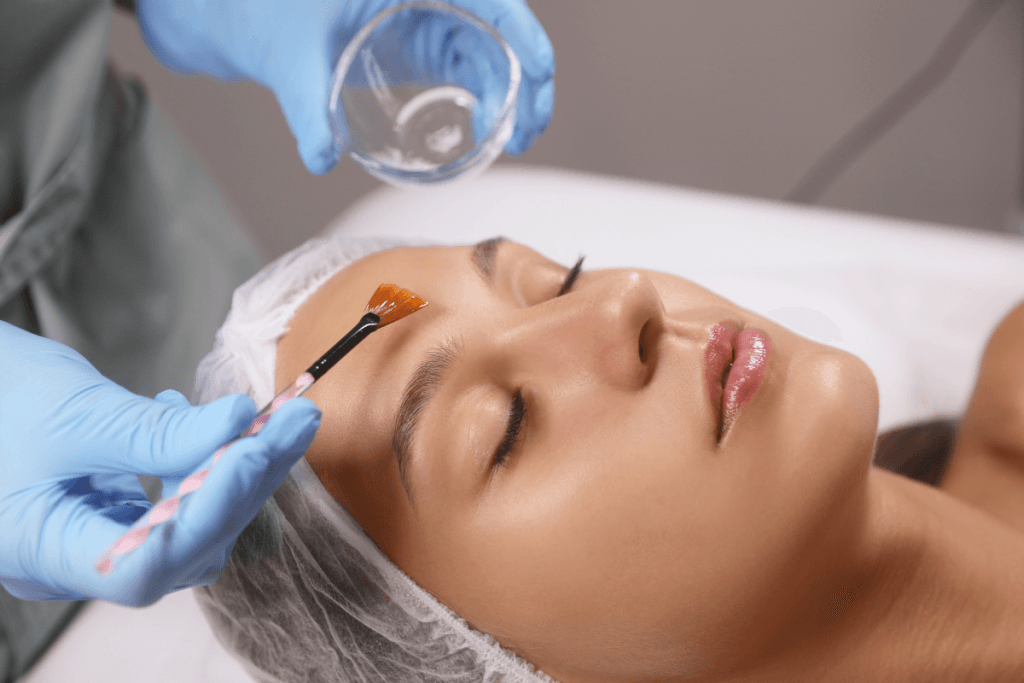
In broad terms, Argipeel is best understood as a professional exfoliating gel used for controlled surface renewal. Products in this category are designed to encourage shedding of corneocytes (surface dead skin cells) with a milder feel than more aggressive peel formats. A gel vehicle may also help with targeted placement and contact-time control, although actual performance depends on the labeled formula. It is still a professional peel decision, not a casual skincare step.
Seen this way, Argipeel Uses for Gentle Exfoliation in Clinical Practice is less a single indication and more a selection framework. Clinics may consider this type of option when they want superficial renewal for dullness or uneven texture, when they need a conservative entry point before a stronger peel, or when a sensitive or cosmetically delicate area may not tolerate traditional intensity well. The related phrase ‘arginine peel uses’ often points to the same general idea, but clinics should verify the exact composition on the product label rather than assume every arginine-linked peel behaves the same way.
That framing helps avoid a common mistake: treating any gentle peel as interchangeable with everyday exfoliating skincare. In clinic use, even lower-irritation peels sit inside a professional workflow that includes review of recent actives, treatment-area assessment, consent, and clear aftercare. The key question is not only whether the formula can exfoliate. It is whether the clinic can predict tolerance and support the skin barrier after treatment.
If you are mapping category fit, the browseable Clinical Skincare hub offers wider context. Broader resurfacing background appears in Chemical Peels, while Mediderma Skin Care helps with brand context. For product-level reference, the Argipeel Exfoliating Gel page is the place to confirm packaging and label details.
Why it matters: A milder peel can be the better clinical fit when consistency and tolerability matter most.
Who May Be Considered for a Gentler Peel
A gentler peel may fit when the clinic wants visible exfoliation without pushing irritation risk higher than necessary. In practice, that often means cases with a history of sensitivity, first-time peel candidates, maintenance visits between stronger resurfacing steps, or treatment zones where recovery needs tighter control. Clinics may also lean conservative when post-inflammatory pigment change is a concern, because the wrong peel intensity can create more management work later.
When a Conservative Approach Makes Sense
- Reactive history: prior stinging, redness, or poor acid tolerance.
- Delicate zones: areas where recovery needs tighter control.
- Step-up entry: first professional peel before stronger resurfacing.
- Maintenance visits: support between more intensive programs.
- Pigment caution: cases where inflammation could create added risk.
That does not mean every sensitive presentation is an automatic match. Clinics usually pause when there is active dermatitis, visible barrier injury, infection, recent abrasive procedures, or an unclear topical history. Recent retinoid or exfoliant use can also change how a peel is tolerated, which is why a simple pre-visit review matters. If staff need a refresher on topical context, Tretinoin Vs Retinol can help separate retinoid history from peel selection.
Barrier evaluation matters here. Erythema (redness), scale, recent overuse of active topicals, and stinging with basic cleansers can all suggest that the skin needs stabilization before any peel is selected. A gentle option may reduce intensity, but it does not remove the need to defer when the skin is already signaling poor tolerance.
Delicate-area planning also deserves separate thought. Practices often choose lower-intensity approaches when treatment boundaries are small, cosmetic visibility is high, or downtime needs to stay discreet. That is one reason gentle gel formats remain relevant even in clinics that also use stronger resurfacing tools.
Quick tip: Review recent retinoid, acid, waxing, and procedure use before choosing any professional peel.
In practical terms, what is Argipeel used for? Usually not maximal peeling. It is more often discussed when clinics want gentle chemical exfoliation for sensitive skin, a cautious option for delicate areas, or a lower-intensity treatment that can sit inside a conservative skin-renewal plan. The goal is controlled surface turnover, not trying to force every patient into the strongest available format.
How It Compares With Traditional Chemical Peels
Compared with a traditional chemical peel, a gentle exfoliating gel is usually selected for tolerability, treatment control, and stepwise planning rather than peak strength. That distinction matters in clinic operations. A lower-intensity option may support safer entry into exfoliation, simpler aftercare, and more predictable recovery expectations for reactive cases, even if visible change is subtler than with a more aggressive protocol.
The frequent question about the ‘strongest’ peel points clinics in the wrong direction. Peel choice is rarely a strength contest. It is a matching exercise based on the target concern, the treatment zone, the patient’s irritation history, expected downtime, and the clinic’s ability to monitor the course. What can be used for a chemical exfoliation treatment? Depending on the case, clinics may consider gentle gel peels, conventional superficial acid peels, layered professional resurfacing systems, enzyme-based exfoliation, or non-peel renewal pathways such as gradual topical programs.
In other words, the right peel is the one the patient can tolerate and the clinic can document consistently. When a clinic asks what can be used for chemical exfoliation, the better answer is a short menu of matched options rather than a single universal favorite.
| Option | When Clinics May Consider It | Main Trade-Off |
|---|---|---|
| Gentle Exfoliating Gel | Reactive skin, first-time peels, delicate areas, maintenance planning | Usually more conservative, so change may be slower or subtler |
| Traditional Superficial Peel | Broader surface renewal when tolerance is better established | More irritation and recovery planning may be needed |
| Layered Stronger Peel | Selected pigment or texture programs with tighter monitoring | Downtime and complication risk may rise |
| Non-Peel Renewal Plan | Barrier prep or gradual change when in-office peeling is not the first choice | Less immediate office-based exfoliation effect |
The same principle applies when clinics compare a gentle peel with stronger branded systems. A peel discussed for brighter or deeper renewal may be useful as a category example, but it should not be treated as the automatic next step. Changing peel class changes the risk discussion, prep needs, and aftercare burden.
For teams comparing peel categories, related discussions of Yellow Peel and Bright Peel can add format context. Those pages are best read as adjacent category discussions, not as direct substitutes for a gentle gel peel.
Source verification matters when products move through vetted distributor networks.
Practical Treatment Planning and Clinic Workflow
Before using any gentle peel, clinics should standardize evaluation, documentation, and handling steps. For teams revisiting Argipeel Uses for Gentle Exfoliation in Clinical Practice, the operational issue is consistency: the same screening questions, the same review of recent skincare and procedures, the same product-verification steps, and the same aftercare language every time. Policies vary by clinic and jurisdiction, so label directions and internal protocols should stay aligned.
Clinic Workflow Snapshot
- Confirm goal: texture, tone, maintenance, or cautious entry point.
- Review recent use: retinoids, acids, waxing, or procedures.
- Check skin status: irritation, infection, barrier compromise, or sunburn.
- Verify product details: source, lot, expiry, and storage instructions.
- Follow label directions: application area, contact time, and removal steps.
- Document the visit: photos, consent, reactions, and aftercare notes.
- Plan escalation: define when to defer or review clinically.
Standardization also prevents vague goals from driving treatment choice. ‘Refresh’ or ‘brighten’ can mean many different things. Teams usually get better consistency when they define whether the main endpoint is smoother feel, mild tone improvement, maintenance, or a cautious introduction to professional exfoliation. That keeps product selection tied to a documented objective instead of habit.
Aftercare planning still matters, even with a mild protocol. Many clinics keep the post-peel plan simple, focusing on barrier support, straightforward cleansing, and clear instructions about when to report excessive irritation. The broader discussion in Hydrating Masks is useful background when staff are thinking about recovery-oriented skincare rather than active resurfacing on top of active resurfacing.
A practical workflow also separates product interest from product suitability. Clinics should confirm provenance, storage requirements, and current label information before use. Even with a gentle peel, staff should know when unexpected erythema, edema (swelling), or delayed irritation warrants escalation under clinic protocol. That is especially important when a conservative peel is being considered for sensitive or delicate treatment planning, because small differences in formulation and instructions can change how a visit should be set up and documented.
Where It Sits Within a Broader Skin-Renewal Strategy
A gentle peel works best as one part of a staged program, not as a universal answer to every skin concern. Some clinics use it as a conservative entry point before moving to other in-office options. Others use it as a maintenance bridge when they want ongoing renewal without repeating a stronger procedure. That broader context is why related topics such as Anti-Aging Treatments and Antioxidants And Skincare still matter. Exfoliation is only one lever in a skin plan.
Sequencing matters as much as product selection. A gentle peel may sit before stronger resurfacing, between higher-intensity visits, or alongside non-peel strategies that emphasize barrier repair and gradual renewal. That is why many clinics see it less as a headline procedure and more as a pacing tool within a longer skin program.
The context here is brand-name medical products used in licensed clinical settings.
The most practical way to interpret Argipeel Uses for Gentle Exfoliation in Clinical Practice is as a conservative decision point within the clinic peel toolkit. It may be useful when you want controlled surface renewal, a cautious first step, or an option that fits reactive skin and delicate-area planning more comfortably than a stronger peel. It is less useful as a stand-in for every resurfacing goal. Matching the treatment to the skin profile, the setting, and the documentation process remains the key question.
Authoritative Sources
- General clinical background from the NCBI review of chemical peels.
- Overview and safety context from DermNet on chemical peels.
- Procedure basics and expectations from the Mayo Clinic chemical peel overview.
This content is for informational purposes only and is not a substitute for professional medical advice.