


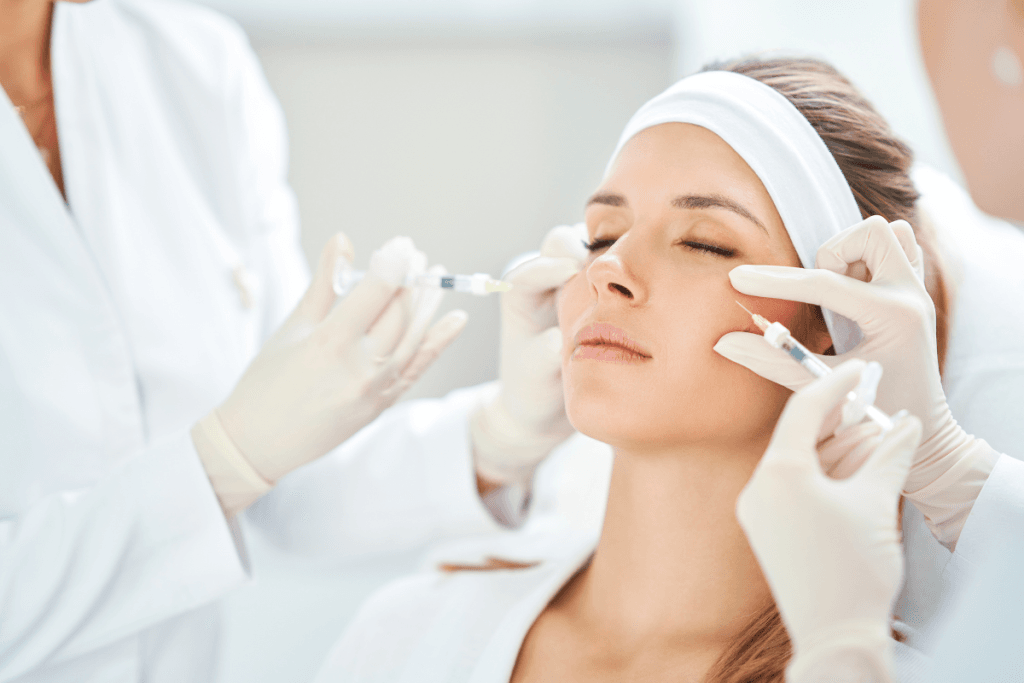
Non-surgical aesthetic treatments are clinic-based cosmetic procedures that aim to improve lines, volume, contour, skin quality, or laxity without operative surgery. In 2025, the practical issue is not only which modalities are popular. Clinics also need clearer consultation language, stronger documentation, verified sourcing, and repeatable follow-up workflows. That matters because patient demand often arrives in broad terms such as “lift,” “glow,” or “natural,” while safe service delivery depends on anatomy, mechanism, risk tier, and realistic expectations.
For licensed clinics and healthcare professionals, the strongest approach is to treat these services as medical procedures with defined indications, consent language, training records, and traceability. Demand may shift with social media, but the core operational controls stay consistent.
Key Takeaways
- Define the concern first: separate laxity, volume loss, texture, and pigment.
- Match the modality to anatomy: avoid treating “lift” as one outcome.
- Document consistently: photos, consent, settings, lot numbers, and follow-up notes.
- Standardize combination plans: set spacing rules for devices, injectables, and resurfacing.
- Verify supply channels: keep product and device traceability aligned with clinic policy.
What Counts as Non-Surgical Aesthetics in Clinic Practice
Non-surgical aesthetics covers a broad group of procedures that do not require operative incisions or surgical reconstruction. The category can include neuromodulators, dermal fillers, collagen-stimulating injectables, skin boosters, chemical peels, microneedling, lasers, radiofrequency, ultrasound-based tightening, and body-contouring technologies. Some services are non-invasive at the skin surface. Others are minimally invasive because they involve needles, cannulas, sutures, or controlled tissue injury.
That distinction matters for clinic governance. A treatment marketed as “non-surgical” may still require medical screening, informed consent, sterile or clean technique, adverse-event planning, and product-level traceability. Front-desk wording, consultation templates, and aftercare documents should not blur those differences.
In practical terms, a clinic can group non-surgical aesthetic treatments by the clinical problem they address:
- Dynamic lines: neuromodulators used for muscle-related wrinkles.
- Volume loss: fillers or biostimulators used for contour support.
- Skin quality: boosters, peels, resurfacing, or microneedling programs.
- Laxity: energy-based tightening, threads, or staged combination plans.
- Body contour: device-based fat reduction, tightening, or texture-focused care.
Why it matters: Clear categories reduce mismatched expectations during consultations.
For broader market context, the Industry Insights collection can support internal education without replacing local regulatory review.
Why 2025 Demand Looks Different
The 2025 shift is toward combined, lower-downtime plans rather than a single “hero” procedure. Patients often ask for visible refinement, but many also want less recovery time, fewer dramatic changes, and language that sounds more natural. Clinics must translate that demand into medically meaningful goals.
One driver is the rise of broad patient-facing terms. “Non-surgical facelift,” “skin tightening without surgery,” and “glass skin” can mean different things to different people. A patient asking for lifting may need volume support, skin-quality work, tightening, neuromodulation, or referral for surgical assessment. A patient asking for glow may be describing hydration, pigment, texture, or acne-related scarring.
Another driver is combination planning. Energy-based devices may be paired with injectables, peels, or skin boosters in staged pathways. This can improve service structure, but it also creates operational complexity. Teams need spacing rules, documentation fields, adverse-event escalation pathways, and a shared vocabulary across clinical and administrative roles.
Procurement pressure has also increased. Clinics are expected to know what they stocked, when it arrived, how it was stored, who administered it, and what lot or serial information was recorded. For a B2B supplier serving licensed clinics and healthcare professionals, verified supply channels and vetted distributors are most relevant when they help clinics maintain traceability and avoid informal sourcing.
If your team is comparing current demand with earlier aesthetic technology trends, Beauty Tech Trends 2024 provides useful background for what changed and what remained stable.
Modality Priorities for 2025 Planning
The highest-value services are the ones your clinic can deliver consistently, document clearly, and support with appropriate training. Popularity alone is not a strong reason to add a treatment. Fit depends on patient mix, clinician skill, room capacity, consumable requirements, and follow-up burden.
Injectables: Relaxation, Volume, and Collagen Support
Injectables remain central to many non-surgical aesthetic treatments because they can address several distinct concerns. Neuromodulators are commonly used for dynamic lines caused by repeated muscle movement. Dermal fillers may support contour or volume when used within their approved and professional scope. Biostimulators are usually positioned around gradual collagen support rather than immediate bulk filling.
Clinics should separate these mechanisms during consultation. “Wrinkle treatment” can refer to muscle relaxation, volume restoration, resurfacing, or skin hydration. Charting should reflect the actual goal, product category, anatomic region, and patient discussion. For background on collagen-stimulating options, Poly-L-Lactic Acid Treatments offers a focused clinical overview. When clinics use product references for internal stock alignment, Sculptra 2 Vials can support SKU identification and traceability checks.
Energy-Based Tightening and Resurfacing
Energy-based modalities can target laxity, texture, pigment, scars, or collagen remodeling, depending on the platform. Common categories include radiofrequency, RF microneedling, ultrasound-based tightening, lasers, and intense pulsed light. Patients may group these together, but clinics should not.
Each platform carries different workflow needs. RF microneedling may require topical anesthesia planning, infection-control steps, and post-treatment downtime guidance. Ultrasound-based tightening depends heavily on mapping and technique. Laser and light-based services require skin-type assessment, eye protection, device maintenance, and careful documentation of settings. Notes should include treatment zones, device parameters where applicable, skin response, and any deviation from protocol.
Skin Boosters, Mesotherapy, and Dermal Quality Programs
Skin-quality programs are often framed around hydration, fine texture, brightness, and maintenance. These services can include injectables, topical protocols, peels, or needling-based techniques. Clinics should define what “skin quality” means in their own documentation, because the term can become vague quickly.
Consent language should distinguish hydration or texture-focused care from volumizing procedures. Procedure notes should state the intended plane, treated area, expected short-term effects, and aftercare instructions. For teams reviewing injectable rejuvenation concepts, Mesotherapy Injections can help frame mechanism and workflow discussions. Product pages such as Jalupro HMW should be used as product references, not as substitutes for clinical protocol.
Peels and Pigment-Focused Pathways
Chemical peel and pigment programs remain relevant because many patients asking for rejuvenation are describing tone, dyschromia (uneven pigment), or sun-related surface change. These concerns may not improve with lifting or volumizing procedures alone. Screening should include skin type, pigment history, recent procedures, photosensitizing products or medicines where relevant, and expectations about visible peeling or downtime.
For pigment-focused inventory planning, clinics may keep product references such as Mesoestetic Cosmelan within purchasing workflows. The clinical plan should still come from the licensed professional’s assessment and local scope rules.
How Clinics Should Triage “Non-Surgical Face Lift” Requests
A request for a non-surgical face lift usually means the patient wants a fresher or more supported appearance without operative surgery. The safest consultation response is to identify the main driver: descent, deflation, dynamic movement, skin texture, or pigment. One patient may need jawline definition. Another may need midface volume support. A third may need resurfacing or referral for surgical evaluation.
Use plain language early. Explain that “lift” is not one procedure, one device, or one guaranteed result. It is a visual goal that may require different tools. This reduces pressure on any single treatment to solve every concern.
A practical triage structure can include:
- Primary concern: laxity, volume, texture, pigment, or movement.
- Anatomic focus: midface, jawline, neck, peri-oral area, or temples.
- Downtime tolerance: swelling, bruising, redness, marks, or peeling.
- Risk profile: skin type, history, medications, and prior procedures.
- Outcome tracking: standard photos, timing, and grading method.
Age alone should not be used as the deciding factor for aesthetic injectables or devices. Older adults may still be appropriate candidates for some services, while younger adults may not be suitable for others. The decision depends on medical history, anatomy, expectations, skin quality, consent capacity, and the clinician’s scope. When uncertainty exists, a medical review or referral is more appropriate than forcing a treatment pathway.
For clinics building a more structured consultation model, Facial Aesthetic Planning offers a workflow-based way to connect anatomy, goals, and documentation.
Cost, Access, and Procurement Factors for Clinics
Cost conversations in clinics should separate patient-facing fees from operational cost drivers. Non-surgical aesthetic treatments can involve product costs, device depreciation, service contracts, room time, clinician time, consumables, training, photography systems, and follow-up capacity. A procedure with limited downtime for the patient may still carry significant operational overhead.
Injectable-heavy pathways place more emphasis on inventory controls, expiry tracking, refrigerator or storage requirements where applicable, and lot capture. Device-heavy pathways may require capital planning, maintenance logs, calibration where applicable, staff training, and room scheduling. Combination pathways add complexity because the clinic must define sequencing, spacing, and what to do if the plan changes after the first visit.
Quick tip: Build one required note template for each modality before launch.
Access also has a compliance dimension. Prescription-grade or professional-use products are typically not appropriate for consumer self-selection. A supplier that serves licensed clinics should support product identification and supply-chain verification within the limits of its role. Clinics should still confirm local laws, professional scope rules, storage standards, and documentation requirements.
For clinic leaders reviewing non-invasive demand at a service-line level, Safe Non-Invasive Procedures adds useful context around patient interest and safety expectations.
Clinic Operations Checklist for Adding or Updating Services
Adding a new aesthetic service should feel more like a controlled implementation than a menu update. Even familiar procedures can create risk when staff change, products change, or marketing language becomes too broad. Policies vary by jurisdiction, so clinics should adapt any checklist to local rules and professional standards.
- Scope review: confirm who may assess, delegate, perform, and supervise.
- Training records: document platform, trainer, date, and competency review.
- Consult templates: separate goals, contraindications, alternatives, and expectations.
- Consent documents: match the actual modality and risk profile.
- Photo protocol: standardize angles, lighting, timing, and expression.
- Inventory controls: record lot numbers, expiry, storage, and substitutions.
- Device logs: capture maintenance, settings, and service records where relevant.
- Aftercare documents: keep version-controlled instructions for each procedure.
- Escalation pathway: define who responds to urgent post-procedure concerns.
Combination care deserves extra attention. If a patient receives a device treatment, injectable, peel, and home-care product within the same quarter, the chart should show sequence and rationale. This protects continuity when another clinician reviews the record. It also helps the team interpret outcomes fairly.
Many clinics also maintain a concise internal procedure list for onboarding. The format can be a controlled document, shared protocol library, or training checklist. Ownership matters more than format. Assign someone to update the document when products, platforms, consent language, or escalation pathways change.
For purchasing and inventory teams, the Clinic Operations collection may help connect service planning with documentation and stock-control topics.
Safety Signals and Outcome Tracking
Safety planning should be visible before the first appointment is scheduled. Non-surgical does not mean risk-free. Bruising, swelling, pigment changes, burns, infection, nodules, vascular events, allergic reactions, and dissatisfaction can occur, depending on the modality. Clinics should describe risks conservatively and avoid promising results that depend on anatomy, technique, biology, or adherence to aftercare.
Outcome tracking does not need to be complicated. It needs to be repeatable. Choose consistent photo views, lighting, camera distance, and timing. Use the same grading scale or structured note fields over time. If a patient has interim services, document them before comparing results. Otherwise, the clinic may attribute a change to the wrong procedure.
Escalation planning should be explicit. Staff should know how to respond to unexpected severe pain, visual symptoms, rapid swelling, fever, evolving skin discoloration, burns, or symptoms that fall outside routine aftercare. The plan should identify who receives the call, where the patient is assessed, what information is documented, and when emergency referral is required. This is not alarmist. It is basic risk management for minimally invasive and device-based care.
Adverse-event review should also connect clinical records with inventory records. If a concern involves an injectable, implantable thread, topical product, or device setting, the clinic should be able to trace the product, lot, expiry, provider, treatment zone, and timing. That is where verified supply channels and accurate receiving records become part of patient-safety infrastructure.
Authoritative Sources
Use regulator and specialty-society references when drafting internal policies, consent language, and training materials. Marketing summaries rarely cover all contraindications, reporting expectations, or device-specific risks.
- FDA information on soft tissue fillers
- FDA medical device safety information
- American Academy of Dermatology cosmetic procedure education
Non-surgical aesthetic treatments will continue to evolve, but the clinic priorities are durable: define the patient concern, select modalities by mechanism and anatomy, document with precision, and maintain reliable sourcing records. A practical 2025 strategy favors services your team can perform, explain, audit, and support safely.
This content is for informational purposes only and is not a substitute for professional medical advice.




