

$549.00
You save (%)
Description
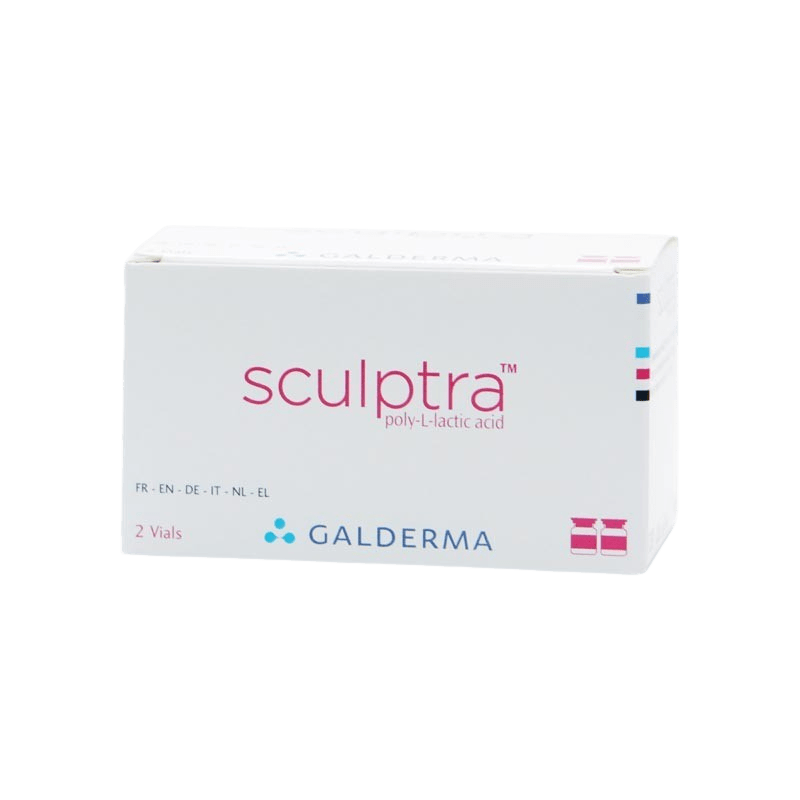
Sculptra™ is a poly-L-lactic acid injectable used by qualified aesthetic professionals as a biostimulatory collagen stimulator. Licensed clinics, med spas, and healthcare professionals can buy Sculptra in 2-vial packs for structured treatment programs that require professional reconstitution, documentation, and staged appointment planning. The product fits treatment-room workflows where gradual tissue response, inventory traceability, and trained injection technique are essential.
Each vial contains lyophilized PLLA microparticles with excipients that support suspension after reconstitution. Unlike traditional hyaluronic acid gel fillers, this preparation is used to support gradual collagen formation in targeted tissue planes rather than immediate gel-volume placement. Clinics should follow the manufacturer’s instructions for reconstitution, administration, post-care, and adverse-event management.
Sculptra Price, Pack Size, and Clinic Ordering
Sculptra™ is supplied as 2 vials per pack for professional clinic use. Sign in to view current Sculptra price information, clinic account terms, and volume-tier options available to qualified purchasers. Pricing can vary with distributor intake, purchase volume, and verified professional account status, so procurement teams should use the live account view for current cost planning rather than relying on static per-vial estimates.
For treatment programs, the practical ordering question is usually not only the Sculptra cost per vial, but how many packs align with scheduled sessions, reconstitution timing, injector availability, and follow-up intervals. A two-vial configuration helps clinics plan staged collagen-stimulation protocols while keeping lot and expiration checks manageable at receiving and room setup.
Med Wholesale Supplies serves licensed clinics and healthcare professionals with brand-name medical products sourced through vetted distributors and verified supply channels. Orders may be supported with temperature-controlled handling when required and tracked US delivery. Account verification and professional-use ordering requirements may apply before purchase can be completed.
What Sculptra Is and How It Works
Sculptra™ is a Sculptra PLLA injectable: PLLA means poly-L-lactic acid, a biocompatible material used in this product as microparticles suspended for injection after proper reconstitution. In clinical aesthetic programs, these particles are placed by trained injectors in appropriate deep dermal or subcutaneous tissue planes according to professional technique and the product instructions.
The product acts as a biostimulator. It encourages the body’s own collagen-building response over time, so the visual effect is typically progressive rather than immediate. That distinction matters for consultation planning, informed consent, appointment spacing, and photography protocols. Clinics often position Sculptra facial filler vials for programs focused on global contour support, skin texture improvement, and gradual volume restoration rather than short-term correction alone.
For teams building a broader injectable menu, Sculptra sits within the professional dermal fillers category but differs from many gel fillers in handling, mechanism, and timeline. A practical comparison of treatment-menu roles is available in the internal Sculptra versus filler planning guide.
Professional Applications and Treatment-Room Fit
Clinics may integrate Sculptra™ into aesthetic workflows that address facial contour support, midface volume planning, and broader balance within a comprehensive treatment plan. Experienced professionals may also consider selected body applications when appropriate to training, protocol design, and local practice standards. Treatment decisions should remain clinician-led and based on anatomy, medical history, expectations, contraindication screening, and product instructions.
A Sculptra kit for injection is typically assembled operationally from the vial, the appropriate diluent per manufacturer guidance, sterile delivery supplies, skin preparation materials, documentation tools, and post-care instructions. This is a clinic workflow concept, not a separate manufacturer pack unless specified by the product packaging. Staff should avoid shortcutting reconstitution, mixing, labeling, or room-readiness steps because handling affects product consistency and treatment reliability.
Because results develop gradually, practices often plan Sculptra around a staged appointment model. Intake forms, consent language, photography, lot recording, and follow-up reminders should reflect that collagen stimulation is not the same as immediate filler correction. For deeper protocol planning, see the Sculptra clinical guide for volume restoration planning.
Key Features for Inventory and Clinical Use
- Biostimulatory injectable platform used by trained aesthetic professionals.
- Contains microparticles of poly-L-lactic acid for gradual collagen stimulation.
- Supplied as 2 vials per pack for clinic inventory planning.
- Reconstituted before administration according to manufacturer instructions.
- Designed for deep dermal or subcutaneous injection by qualified injectors.
- Distinct from traditional gel fillers that provide immediate physical volume.
- Lot and expiration details support receiving checks and traceability.
- Professional-use product suited to staged treatment programs.
Quick tip: Record lot number, expiration, reconstitution timing, injector, and treatment area in the same workflow used for other injectable aesthetic products.
Composition and Reconstitution Basics
Sculptra™ consists of poly-L-lactic acid filler vials with excipients that help the product form a usable suspension after reconstitution. The current product information identifies microparticles of poly-L-lactic acid, carboxymethylcellulose, mannitol, and sterile water for injection as components associated with preparation and use. Clinic staff should follow the current manufacturer instructions rather than using informal dilution or timing practices.
Reconstitution is a professional handling step. The powder must be prepared as a sterile suspension before injection, and injectors should understand how suspension behavior, needle choice, tissue plane, massage guidance, and patient selection affect outcomes and adverse-event risk. Staff who receive, stage, or assist with the product should be trained on aseptic handling and documentation expectations.
| Clinic consideration | Operational relevance |
|---|---|
| Pack quantity | 2 vials per pack supports staged protocol planning and controlled stock rotation. |
| Active material | PLLA microparticles support gradual collagen stimulation after professional administration. |
| Preparation | Requires reconstitution as directed by the manufacturer before injection. |
| Documentation | Lot, expiration, treatment area, and injector details should be captured in the clinical record. |
Benefits in Practice
Sculptra™ can help practices design treatment plans that emphasize gradual, natural-appearing change. Because the response depends on collagen formation, consultation language should set realistic expectations around timing, session planning, and follow-up review. That positioning can be useful for clinics that want a biostimulatory option alongside hyaluronic acid fillers, skin boosters, and device-based treatments.
Procurement teams also gain an inventory advantage when a product has a defined role in multiple aesthetic workflows. A Sculptra vial for clinic use may support facial rejuvenation protocols and selected body-contouring programs when the clinical team has appropriate training and protocols. Adjacent service categories such as body contouring can help practices coordinate product planning across aesthetic offerings.
Why it matters: Gradual collagen stimulation requires a different consultation, scheduling, and follow-up model than immediate gel filler correction.
Safety, Side Effects, and Screening
Professional screening should occur before each Sculptra™ treatment. Clinics should evaluate medical history, prior filler or biostimulator treatments, active skin infection, inflammatory skin conditions, allergy history, bleeding risk, immune considerations, medication use, and suitability for injection-based aesthetic care. Treatment should be deferred or avoided when product instructions, clinical judgment, or patient factors make injection inappropriate.
Typical post-injection responses may include redness, tenderness, pain, bleeding, bruising, swelling, itching, or palpable bumps at injection sites. These effects are often temporary, but they must be discussed during consent because patient perception and follow-up needs vary. Nodules, granuloma-like reactions, infection, vascular compromise, and other complications require prompt clinical assessment and management according to professional guidance.
The downside of Sculptra in clinic planning is mainly the need for careful technique, reconstitution discipline, delayed onset, and adverse-event monitoring. It is not a quick same-day volume substitute for every case. Practices should maintain clear escalation pathways, adverse-event documentation, and patient instructions for symptoms that require urgent contact. For a focused clinic discussion, review Sculptra side effects to screen and track.
Sculptra Compared With Other Biostimulatory Options
Sculptra™ is often compared with calcium hydroxylapatite fillers, hybrid collagen-stimulating injectables, and other regenerative aesthetic products. The main clinical distinction is mechanism and timeline: PLLA supports gradual collagen stimulation, while other products may combine immediate structure, carrier-gel effects, or different tissue-integration profiles. The best choice depends on anatomy, desired correction, treatment area, injector preference, safety profile, and follow-up strategy.
Clinics evaluating adjacent products may review Lanluma V, Ellansé M, and HArmonyCa as part of broader formulary planning. These products should not be treated as interchangeable without clinical review because composition, preparation, duration profile, injection technique, and approved-use context may differ.
For a focused comparison between collagen-stimulating categories, the Sculptra versus Radiesse guide can support internal discussion. It should complement, not replace, manufacturer instructions, injector training, and medical judgment.
Ordering, Receiving, and Stock Rotation
Clinics can order Sculptra™ through a verified professional account and align pack quantities with scheduled treatment demand. Before purchase, confirm that your team has current product protocols, trained injectors, appropriate sterile supplies, and documentation procedures. Reception staff should inspect outer packaging, confirm product identity, record lot and expiration information, and route the vials into the correct storage and clinical staging process.
Stock rotation should prioritize expiration visibility and avoid separating vials from documentation needed for traceability. If multiple injectors use the product, create a consistent sign-out process so treatment notes match inventory movement. This reduces reconciliation gaps and supports quality review if a post-treatment concern is reported.
For brand-specific catalog navigation, clinics can use the Sculptra brand area. For broader injectable procurement, the professional dermal filler category helps teams review related classes without mixing product-specific protocols.
Availability and Substitution Planning
Sculptra™ is offered for clinic purchasing, but procurement teams should still plan ahead because demand and distributor intake cycles can affect reorder timing. If a planned pack quantity is not adequate for a multi-session program, avoid switching products casually. Biostimulators differ in formulation, handling, tissue behavior, duration profile, and aftercare requirements.
When substitution is necessary, the clinical lead should approve the change and update consent language, injection mapping, room setup, and follow-up instructions. Alternative products may support similar menu goals, but they should be selected through a clinical and operational review rather than by per-vial price alone.
Authoritative Sources
- Sculptra manufacturer information
- FDA dermal filler safety information
- American Society of Plastic Surgeons dermal fillers overview
This content is for informational purposes only and is not a substitute for professional medical advice.
Frequently Asked Questions
Who can order Sculptra™ from Med Wholesale Supplies?
Sculptra™ is intended for licensed clinics, med spas, aesthetic practices, and healthcare professionals with appropriate professional-use account verification. Ordering requirements may include clinic documentation and confirmation that the product will be used by trained injectors.
How many vials are included in this Sculptra™ pack?
This Sculptra™ configuration is supplied as 2 vials per pack. Clinics should align pack quantity with staged treatment plans, inventory rotation, and documentation procedures.
Is Sculptra™ the same as a traditional dermal filler?
No. Sculptra™ is a PLLA biostimulatory injectable that supports gradual collagen formation. Traditional gel fillers generally provide more immediate physical volume, so consultation, scheduling, and follow-up expectations differ.
What are common side effects clinics should discuss before treatment?
Common injection-site responses may include redness, tenderness, pain, bleeding, bruising, swelling, itching, or palpable bumps. Clinics should also screen for factors that increase complication risk and provide clear instructions for symptoms requiring prompt clinical contact.
How should clinics plan Sculptra™ inventory?
Plan inventory around consultation volume, staged sessions, reconstitution workflows, trained injector availability, and expiration dates. Lot number and expiration details should be captured during receiving and linked to treatment records.
Can Sculptra™ be substituted with another biostimulator?
Substitution should be approved by the clinical lead. PLLA, calcium hydroxylapatite, hybrid injectables, and other collagen-stimulating products differ in composition, handling, technique, and expected treatment timeline.
Specifications
- Main Ingredient: Poly-L-Lactic Acid
- Manufacturer: Gladerma
- Drug Class: Aesthetic Surgery Product
- Generic Name: Injectable Poly-L-Lactic Acid
- Package Contents: 150 mg x 2 Vials
- Storage Requirements: Room Temperature (2℃~25℃)
- Main Usage: Volume Filler
About the Brand
Sculptra
Sculptra stands at the cutting-edge of medical brands, providing reliable and effective facial rejuvenation treatments. Its distinct configuration triggers collagen production within the skin for a natural, youthful glow. Setting Sculptra in its own league is the ease of procurement available through medwholesalesupplies.com. Recognizing the paramount importance of high-quality and accessible medical products, medwholesalesupplies.com proudly features Sculptra among its top-ranked brands. Healthcare providers can relish the ease of online purchasing, obtaining Sculptra straight from our site and receiving direct doorstep delivery. This eradicates the necessity to traverse various suppliers or face lengthy lines, saving precious time and energy. Beyond these benefits, medwholesalesupplies.com places high emphasis on customer gratification. We vet all our products, including Sculptra, ensuring sourcing directly from the original manufacturers. This assurance of quality and authenticity provides peace of mind to healthcare professionals, confident in their use of bona fide Sculptra for their patients. Unveil the benefits of Sculptra, a leading brand in the world of cosmetic injectables, through Med Wholesale Supplies. Find out what Sculptra is, explore the cost of Sculptra injections, and get detailed insights on how much Sculptra treatments might cost. With our trusted management, you can optimize your Sculptra dosing, cut costs, and achieve the best possible results for your patients. Take control of your health and aesthetics with our top-quality Sculptra products today!
Browse Sculptra Products
Here to help
Questions about ordering, delivery or products? You can email our team here or call now at 1-800-630-9757 and be connected with your dedicated Account Manager
Related Products
$339.00
You save (%)
You save (%)
Select options
This product has multiple variants. The options may be chosen on the product page
Juvéderm® SKINVIVE
Dermal Filler
$339.00 - $359.00
You save (%)
You save (%)
$86.00 - $119.00
You save (%)
You save (%)
$72.00
You save (%)
You save (%)
Select options
This product has multiple variants. The options may be chosen on the product page
Related Articles
Hyaluronidase in Aesthetic Practice: Safety and Workflow
Hyaluronidase is an enzyme that breaks down hyaluronic acid, a water-binding molecule found in skin,…
Jawline Filler in Aesthetic Care: Safety and Workflow
Jawline filler is a nonsurgical dermal filler approach used to refine lower-face contour, support the…
Dermal Fillers Before and After: Assessing Results
Dermal fillers before and after review should show whether an injectable treatment produced a visible,…
Elasticity of the Skin: Assessment and Treatment Planning
Elasticity of the skin is the skin’s ability to stretch, resist deformation, and return toward…
How Long Does Mirena Last? Duration, Labeling, and Workflow
Mirena is labeled to prevent pregnancy for up to 8 years, but its labeled duration…
Is Evenity a Bisphosphonate? Drug Class and Care Context
No. If you are asking is evenity a bisphosphonate, the short answer is no. Evenity…
What Causes Double Chin? Clinical Drivers and Red Flags
The main causes double chin presentations reflect are usually submental fat, inherited facial anatomy, chin…
Skyla Vs Kyleena: Differences That Matter in IUD Selection
In a Skyla vs Kyleena comparison, the main operational difference is duration on the label:…