Lip Fillers Swelling Stages: Timeline, Safety, and Follow-Up
Lip fillers swelling stages usually follow a short inflammatory course: swelling appears soon after injection, often peaks during the first 24 to…

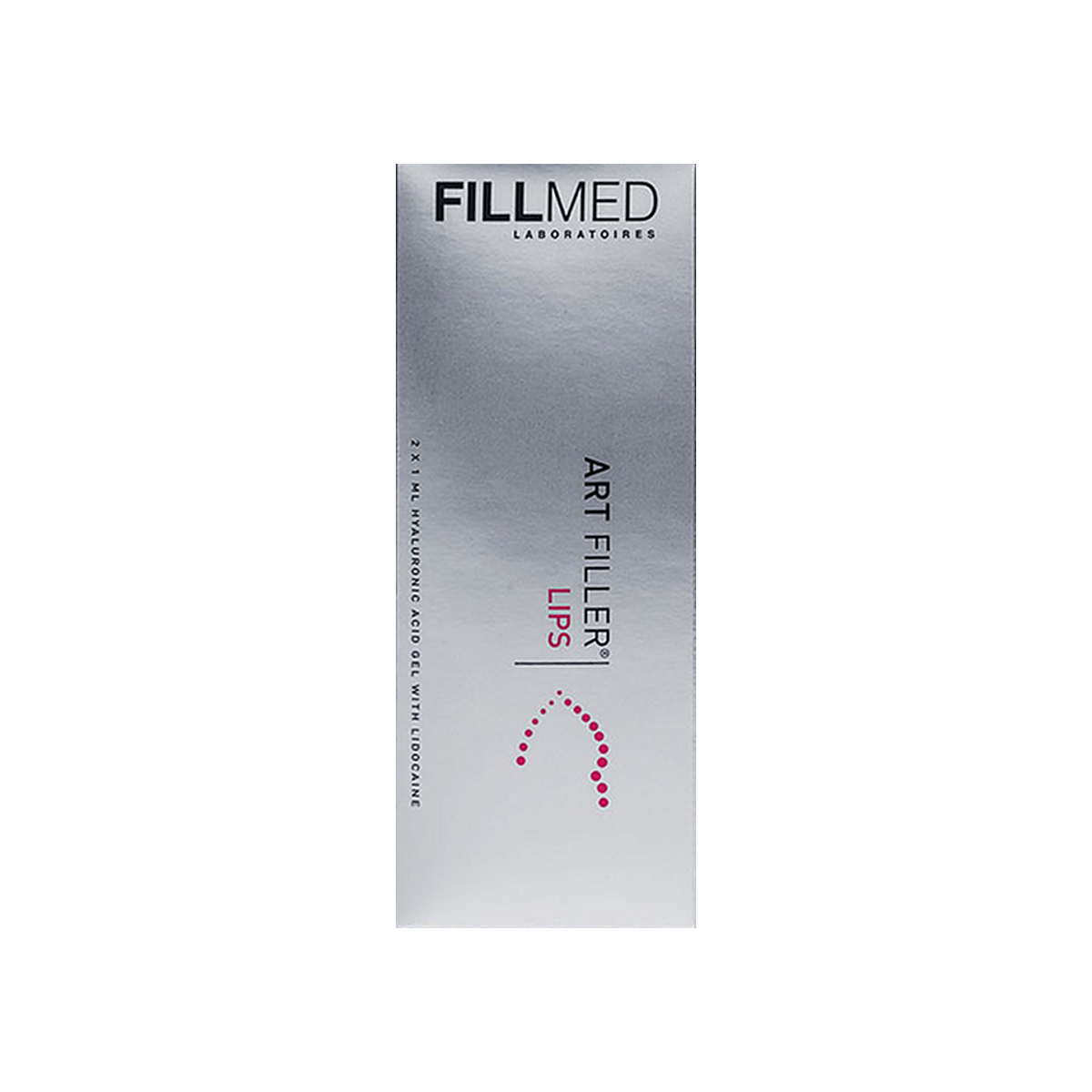
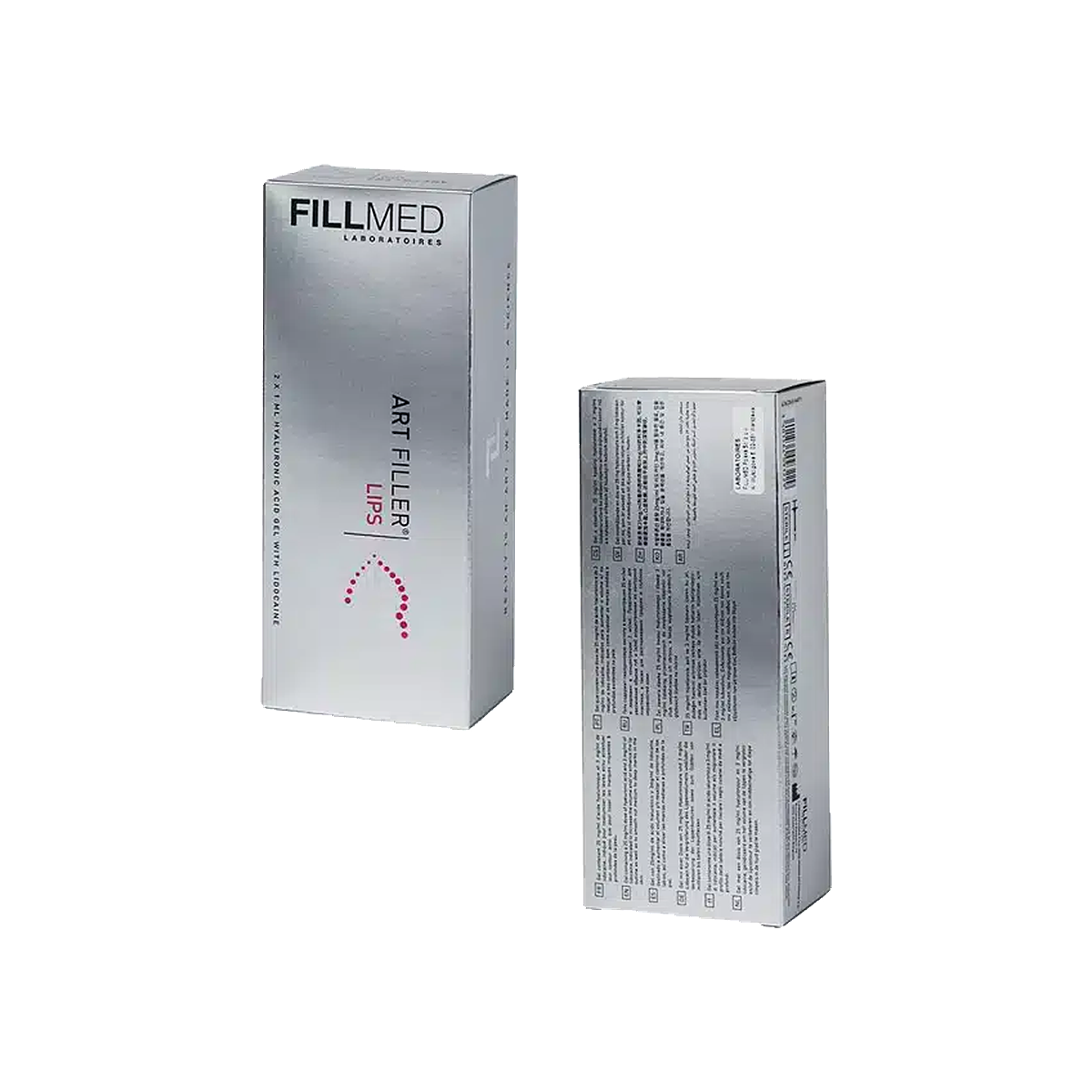
Fillmed Laboratoires
Hyaluronic acid and Lidocaine.
Free shipping on orders over $800
5% off your first order, applied at checkout
Order as a guest or log in. Your medical licence details are collected at checkout and checked against the state board and the NPI registry.
Enter your own figures: the syringes you use per treatment and what you charge per treatment. The table shows your product cost and margin per treatment at each quantity price. It does not suggest doses, prices or treatments.
| Quantity | Price per pack | Cost per unit | Cost per treatment | Margin per treatment |
|---|
Uses today's prices for the selected option before shipping and any other costs. Your figures stay in your browser.
Ships within 24–48 hours
Delivery typically 48–72 hours after shipping, up to 5–7 business days depending on origin and customs. Tracking is emailed when your order ships.
Warm or damaged on arrival?
Send us photos or a video. We investigate and arrange a replacement where needed.
Licence checks
Licences are checked against the state board and the NPI registry.
100% genuine products
In original manufacturer packaging, with lot numbers for full traceability. Lot numbers are shown on your packing slip and invoice.
250 active clinics · Supplying clinics since 2013
“Everything has been easy from ordering to delivery. The prices are good, orders arrive quickly, and the customer service has been great. I would definitely order from MWS again.”
Fillmed® Art Filler Lips w/ Lidocaine is a sterile, cross-linked hyaluronic acid gel supplied in 2 x 1 mL prefilled syringes for professional lip injection. Licensed clinics and healthcare professionals can order it for lip augmentation, contour definition, and perioral refinement within established aesthetic protocols. Each syringe contains hyaluronic acid 25 mg/mL with lidocaine hydrochloride 3 mg/mL to support procedural comfort during placement.
This lip-focused dermal filler is intended for trained injectors using aseptic technique and appropriate patient assessment. The prefilled format helps clinics standardize appointment preparation, unit tracking, and treatment-room workflow. Med Wholesale Supplies supports US distribution for licensed practices sourcing authentic, brand-name medical products through vetted supply channels.
Current prices and quantity breaks are shown on this page, and licensed clinics can order as a guest or with an account. Clinics can order Fillmed Art Filler Lips with Lidocaine as a two-syringe pack for professional use. Pricing may vary by order volume, purchasing arrangement, and current supply intake, so teams often align unit counts with scheduled lip appointments and expected reorder cadence.
The supplied configuration is practical for clinics that want consistent stock control across multiple injectors. Lot and expiry details should be documented when the product is received, then reconciled with internal inventory logs before treatment-room use. If your team is reviewing adjacent FILLMED presentations, the FILLMED brand selection can help organize related products by line.
Quick tip: Match syringe counts to booked procedures, training sessions, and expected touch-up visits so procurement stays aligned with actual clinic use.
Fillmed® Art Filler Lips w/ Lidocaine is a viscoelastic, non-animal hyaluronic acid gel formulated for precise integration in lip tissue. Hyaluronic acid is hydrophilic, meaning it attracts water, and this property can contribute to temporary volume and soft-tissue support after professional placement. The gel is colourless, transparent, sterile, non-pyrogenic, and saline-based.
In aesthetic practice, this preparation is used for lip augmentation, vermilion border definition, Cupid’s bow shaping, symmetry refinement, and selected superficial perioral work when clinically appropriate. Its handling profile supports controlled deposition and molding, which is important because lip treatments often require small-volume placement and careful contour work.
The integrated lidocaine is included for its anesthetic properties during injection. Some clinics still use additional comfort measures, such as topical anesthetic or nerve block techniques, based on patient assessment, procedural plan, and injector preference. The presence of lidocaine in the gel does not replace professional judgment about comfort protocols or contraindications.
Primary lip augmentation may require different placement strategies than border sharpening or asymmetry correction. Fillmed® Art Filler Lips w/ Lidocaine can fit protocols where the injector wants a lip-specific HA filler with controlled expression during fine contouring. The product may be used as part of a broader treatment plan that considers tissue quality, existing filler history, facial balance, and post-procedure swelling risk.
For softer lip enhancement strategies, clinics may evaluate Fillmed Art Filler Lips Soft with Lidocaine as a related option. For teams building a wider FILLMED formulary beyond the lip zone, Fillmed Art Filler Universal with Lidocaine may support broader dermal filler workflows when its intended use matches the clinical plan.
Staff education also matters. Front-office and clinical teams should use consistent language when explaining swelling, bruising, follow-up timing, and aftercare boundaries. For a broader educational discussion of product selection in lip procedures, see lip augmentation product selection.
These features make the product suitable for practices that prefer a standardized lip filler syringe with lidocaine for repeatable treatment-room setup. Syringes should remain in their manufacturer packaging until use and should be inspected according to clinic protocol before preparation. Do not use a syringe if sterility, labeling, lot information, or packaging integrity is in question.
The formulation contains hyaluronic acid and lidocaine hydrochloride in a sterile saline gel. The active constituents are hyaluronic acid 25 mg/mL and lidocaine hydrochloride 3 mg/mL. Lidocaine is an amide-type local anesthetic, so patient history should include allergy screening relevant to lidocaine and similar local anesthetics.
The transparent gel allows visual inspection before use, but product suitability still depends on labeling, packaging condition, lot documentation, and clinical assessment. Always consult the manufacturer’s instructions for use and package materials before administration. Clinic protocols should also define who can prepare, inject, document, and dispose of injectable devices.
Professional injectable fillers require careful handling from receipt through disposal. On arrival, staff should verify the product name, pack size, lot number, expiry date, and package condition before adding units to inventory. If temperature-controlled handling is required for a shipment, our process includes temperature-controlled handling when required and tracked US delivery.
Store and handle the product according to manufacturer labeling and clinic standard operating procedures. Keep syringes protected from contamination, avoid unnecessary handling, and prepare the treatment area using aseptic technique. Documentation should connect the administered syringe to the patient record, injector, treatment site, and lot information.
Inventory planning is especially important for high-demand lip treatment calendars. Some practices keep separate par levels for core lip augmentation, subtle lip refinement, and adjacent perioral protocols. The broader dermal fillers category can support purchasing reviews when clinics need multiple rheology profiles across aesthetic indications.
As with other injectable hyaluronic acid fillers, transient local reactions may occur after placement. Reported effects can include redness, oedema, erythema, pruritus, tenderness, bruising, and swelling. Less common events may include skin erosion or other adverse tissue responses. Clinics should provide appropriate post-injection instructions and define escalation steps for symptoms that do not follow the expected recovery pattern.
Patient screening should consider hypersensitivity to hyaluronic acid, lidocaine, or amide-type local anesthetics, along with active local infection, inflammatory skin conditions, prior filler complications, anticoagulant use, immune status, and relevant medical history. Injection technique, anatomical knowledge, and vascular-risk awareness remain central to safe dermal filler practice. This product should only be administered by trained healthcare professionals working within their scope and protocol.
Clinics should counsel patients that lidocaine in the gel can reduce procedural discomfort but cannot eliminate all pain, pressure, swelling, or bruising. Additional topical anesthetic or regional block decisions belong in the clinical plan, not in routine product substitution. For a focused discussion of anesthetic value in filler procedures, see lidocaine benefits in dermal filler workflows.
Product choice should reflect treatment area, desired lift, tissue characteristics, injector technique, and the patient’s prior response to HA fillers. Fillmed® Art Filler Lips w/ Lidocaine is positioned for lip work, while softer or more versatile gels may serve different roles in the same clinic. A formulary with multiple rheology profiles can help injectors avoid using one filler for every indication.
For fine superficial correction outside the main lip-volume plan, Fillmed Art Filler Fine Lines with Lidocaine may be relevant when its intended use aligns with the area being treated. For clinics comparing another lip-focused brand, Stylage Lips Plus Bi-Soft with Lidocaine can be evaluated alongside training, tissue assessment, and preferred handling characteristics.
Practices that perform both structural facial work and lip refinement may also review Fillmed Art Filler Volume with Lidocaine for compatible workflows beyond a lip-specific protocol. For clinical education on technique and product matching, the article on lip augmentation techniques provides additional context for staff discussion.
Order planning should reflect procedure volume, injector schedules, training dates, and historical consumption. A clinic that performs frequent lip augmentation may need different reorder thresholds than a practice that uses lip filler as an adjunct to broader facial balancing. Assigning par levels by product family can reduce last-minute substitutions and improve documentation consistency.
When building a cart, consider accessories, adjunct products, and related filler lines that belong in the same receiving cycle. Consolidating appropriate supplies can simplify intake checks and treatment-room stocking. The goal is not simply to keep more inventory on hand, but to maintain the right mix of sterile products for the protocols your providers actually use.
If a preferred item is constrained during a procurement cycle, substitutions should be documented and clinically justified. Match alternatives by intended use, handling profile, lidocaine content, injector training, and patient-specific considerations. Authentic Fillmed Art Filler Lips should be received with clear manufacturer labeling, intact packaging, and visible lot and expiry information.
Ready to order? Choose your quantity above, or call 1-800-630-9757 to talk to our customer service team.
This content is for informational purposes only and is not a substitute for professional medical advice.
This product is intended for licensed clinics, med spas, aesthetic practices, and healthcare professionals using dermal fillers within appropriate training and protocols. Professional-use ordering requirements and account verification may apply.
Each unit contains 2 x 1 mL prefilled syringes. The formulation contains hyaluronic acid 25 mg/mL and lidocaine hydrochloride 3 mg/mL in a sterile, transparent gel.
Clinics use it for professional lip augmentation, lip border definition, symmetry refinement, and selected perioral work when clinically appropriate. Use should follow manufacturer instructions, injector training, and patient assessment.
Not necessarily. Lidocaine in the gel may improve procedural comfort, but clinics may still use topical anesthetic or block techniques when the clinical plan supports it. Screen for lidocaine or amide-type local anesthetic sensitivity before use.
Staff should record the product name, lot number, expiry date, package condition, and syringe allocation according to clinic policy. Treatment documentation should link the administered syringe to the patient record, injector, and treatment area.
Common local reactions can include redness, swelling, oedema, erythema, pruritus, bruising, and tenderness. Clinics should provide aftercare instructions and clear escalation guidance for unexpected, persistent, or severe symptoms.

MWS Customer Service Team
Our customer service team helps you choose the right pack, label option and quantity for your clinic, and sets up your first order.
Monday to Friday, 9am to 6pm ET
Why clinics order from MWS
Built for licensed clinics
Licences are checked against the state board and the NPI registry.
Every pack option named
Each option names its dosage and pack size, so you know which pack you are ordering.
Volume pricing up front
Quantity tiers are shown on the product, before you order.
Cold-chain packing
Refrigerated lines ship in thermo-packaging with enough ice packs to hold temperature for up to 10 days.
“The customer care team was very efficient in offering hand-held guidance to choose the most cost-effective options.”
Cannulas, needles and hyaluronidase for filler work.

Lip fillers swelling stages usually follow a short inflammatory course: swelling appears soon after injection, often peaks during the first 24 to…

Radiesse vs Sculptra is best understood as a comparison between two collagen-stimulating injectables with different materials and clinic workflows. Radiesse is a…
Hyaluronic acid under-eye filler is an injectable soft-tissue filler used by trained aesthetic clinicians to soften tear-trough hollowness or shadowing when anatomy…