
$79.00
You save
Description
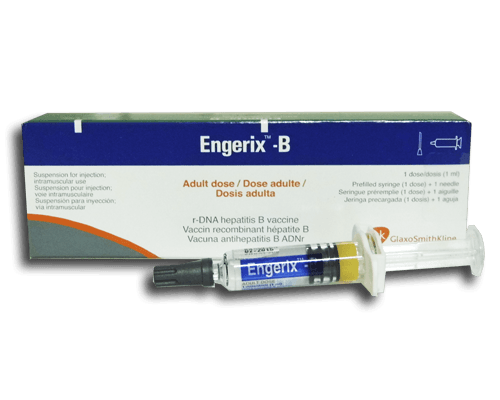
Engerix B® 20mcg/1ml is an adult hepatitis B vaccine used for active immunization against infection caused by hepatitis B virus. Licensed clinics and healthcare professionals can order Engerix B 20mcg/1ml for professional use, with purchasing decisions centered on adult strength, 1 mL dose volume, refrigerated storage, and documentation workflow. It is a recombinant vaccine, meaning the hepatitis B surface antigen is produced using DNA technology rather than live hepatitis B virus.
For clinic purchasing, the most important checks are product identity, adult 20 mcg per 1 mL strength, quantity, storage capacity, and how receiving staff will capture lot and expiration data. Engerix B is not used to treat an active hepatitis B infection, and administration should follow official labeling, clinician direction, and facility protocol.
Engerix B 20mcg/1ml Price, Quantity, and Clinic Fit
Engerix B 20 mcg price should be read against the exact quantity and package configuration displayed during ordering. A single unit, tray, or box configuration can create different invoice totals even when the adult strength remains 20 mcg per 1 mL. Clinic buyers should align the visible Engerix B vaccine price with expected appointment volume, storage capacity, and expiration management rather than looking only at the lowest unit total.
Cost planning also depends on workflow. Adult immunization programs, occupational health clinics, travel health services, and preventive-care visits may use different inventory patterns. A clinic that schedules follow-up doses in advance may need enough stock to support continuity, while a lower-volume practice may prioritize minimizing expiration pressure.
| Ordering factor | What to verify | Why it matters |
|---|---|---|
| Strength | Adult 20 mcg per 1 mL wording | Confirms alignment with the intended adult protocol. |
| Quantity | Unit, tray, or box count shown during ordering | Shapes inventory levels and refrigerator space planning. |
| Presentation wording | Vial or prefilled syringe language when shown | Affects supplies, setup time, and administration workflow. |
| Expiration planning | Use rate against clinic schedule | Helps reduce waste from overstocking refrigerated biologics. |
| Receiving records | Lot number, expiration date, and product name | Supports vaccine inventory control and later dose tracking. |
Why it matters: Vaccine purchasing is easier to reconcile when procurement, receiving, and clinical teams use the same product name, strength, and quantity language.
How Clinics Order Engerix B Vaccine
Order Engerix B for clinics by matching the brand name, adult strength, volume, and quantity to your internal purchasing request. Product records may use similar wording such as Engerix-B hepatitis B vaccine, Engerix B adult vaccine, or hepatitis B vaccine adult 20 mcg/mL. These terms should lead back to the same practical checks: adult dose strength, 1 mL volume, storage requirements, and the intended clinical protocol.
Keep clinic account information and professional-use documentation organized before submitting an order. We may review order details to help match the requested vaccine to the clinic’s purchasing file. MedWholesaleSupplies serves licensed clinics and healthcare professionals with brand-name medical products sourced through vetted distributors and verified supply channels.
- Confirm product identity: Match Engerix B, adult 20 mcg/1 mL, and hepatitis B vaccine wording.
- Plan refrigeration: Assign monitored refrigerator space before the order arrives.
- Prepare receiving staff: Route the delivery to personnel who can record vaccine details promptly.
- Coordinate supplies: Match administration supplies to the vial or syringe wording shown during ordering.
- Update inventory systems: Enter lot, expiration, and quantity in the clinic’s vaccine records.
Clinics purchasing broader regulated medical products can also browse the Pharmaceuticals Collection for category-level navigation. Keep product selection tied to facility protocol rather than substituting a similar vaccine name without clinical review.
What Engerix B 20 Micrograms 1 mL Vaccine Is For
Engerix B 20 micrograms 1 mL vaccine is used for active immunization against hepatitis B virus infection. Hepatitis B is a viral infection that can affect the liver and may become chronic in some people. The vaccine is designed to help the immune system recognize hepatitis B surface antigen before exposure to the virus.
The adult 20 mcg/1 mL formulation is commonly used in adult immunization services, employee health programs, occupational exposure prevention, travel health workflows, and preventive-care settings. It is a single-antigen hepatitis B vaccine, so it should not be confused with combination vaccines that include hepatitis B along with other antigens.
Engerix B does not contain live hepatitis B virus and cannot treat current hepatitis B infection. If screening, serology, post-vaccination testing, dialysis-related management, or immune-response assessment is part of your clinic’s process, those decisions should remain under the responsible clinician and applicable protocol.
Adult Dose Schedule and Administration Planning
The official U.S. labeling for Engerix-B describes the adult schedule as a series of three 1 mL doses, commonly given at 0, 1, and 6 months. Clinic teams should use the label, standing orders, and clinician direction for schedule decisions. Do not adjust timing or substitute another hepatitis B vaccine solely because of inventory constraints.
Purchasing should account for series completion, not only first-dose demand. A clinic running staff vaccination, adult preventive-care, or travel health programs may need inventory for patients returning for later doses. Appointment forecasting helps reduce the chance of interruption while limiting the risk of carrying more refrigerated vaccine than the practice can use before expiration.
Administration records should capture the product name, lot number, expiration date, dose, route, site, administration date, and staff member involved, consistent with facility policy. Accurate capture supports patient continuity if later doses occur in the same clinic and helps with inventory review if a storage event or recall communication requires follow-up.
| Workflow area | Clinic action | Practical purpose |
|---|---|---|
| Series planning | Forecast initial and follow-up visits | Supports continuity for the three-dose schedule. |
| Standing orders | Match vaccine selection to protocol | Reduces substitution or scheduling errors. |
| Inventory records | Record lot and expiration at receipt | Improves traceability and later reconciliation. |
| Administration documentation | Capture dose, route, site, and date | Supports clinical continuity and facility records. |
Forms, Strength, and Presentation Checks
The key adult strength for this product is 20 mcg per 1 mL. Procurement systems may show related wording such as Engerix B 20 mcg/mL, Engerix B 1 mL, Engerix-B 20mcg/ml Inj 1ml adult, or hepatitis B vaccine 20mcg mL. These variations should be reconciled against the full product name and package language used by your clinic.
When presentation wording is visible, distinguish between an Engerix B prefilled syringe and an Engerix B single-dose vial. Prefilled syringes may reduce dose-preparation steps, while vials require appropriate withdrawal supplies and staff technique. The actual supplies needed depend on the form and packaging chosen during ordering, so receiving and treatment-room teams should use the package language for setup.
Adult and pediatric vaccine presentations should not be treated as interchangeable. The labeled antigen amount and volume are part of product identity. If your clinic maintains separate adult and pediatric vaccine bins, label storage areas clearly and keep similar names separated enough to reduce selection errors during high-volume sessions.
Storage, Handling, and US Logistics
Engerix B injection requires refrigerated vaccine storage. Official labeling instructs storage at 2°C to 8°C and states that the vaccine should not be frozen. If a dose is frozen or involved in an unresolved temperature excursion, follow the manufacturer’s guidance and your clinic policy before returning it to active inventory.
Receiving staff should inspect the package, confirm product name and adult strength, record lot and expiration details, and place the vaccine into monitored refrigeration promptly. Temperature logs, refrigerator organization, and vaccine rotation processes should follow your facility’s standard operating procedure. Plan shelf space before ordering larger quantities, because a tray or box may require more room than a small number of individual units.
Where logistics details apply, plan for temperature-controlled handling when required and tracked US delivery. Reliable US logistics help the clinic coordinate receiving hours, refrigeration checks, and inventory entry, but staff should still be ready to process the shipment as soon as it arrives.
Quick tip: Assign a receiving owner before delivery so the vaccine does not wait at a front desk or intake area.
Safety, Contraindications, and Monitoring
The key contraindication in official labeling is a severe allergic reaction after a previous dose of hepatitis B vaccine or to any component of Engerix B, including yeast. Screen allergy history before administration and make sure staff can identify the vaccine clearly in storage and at the treatment station.
Common adverse reactions can include injection-site pain, soreness, redness, swelling, fatigue, headache, fever, or general discomfort. These reactions are often self-limited, but clinics should document and manage events according to facility protocol. Serious allergic reactions are uncommon but require immediate response capability and trained staff.
Syncope, or fainting, can occur after injectable vaccines. Observation procedures, patient positioning, and readiness to prevent injury are practical parts of vaccine administration. Clinics should also consider acute illness, immune compromise, hemodialysis needs, and immune-suppressing therapy when those factors are part of the clinical assessment, because they may influence timing, immune-response monitoring, or follow-up testing.
Hepatitis B vaccination may not protect every recipient. The vaccine also does not treat active hepatitis B infection. When serologic testing or post-vaccination assessment is required by protocol, coordinate that process through the responsible clinician rather than changing product choice based on supply convenience.
Compare Adult Hepatitis B Vaccine Supply Choices
Adult hepatitis B vaccine supply choices can differ by manufacturer, antigen amount, adjuvant, indicated age group, schedule, and presentation. Engerix B adult vaccine may appear near other hepatitis B products in procurement systems, but the same disease target does not make products interchangeable. Compare label language, schedule, and patient population before any substitution.
For clinic buyers, the most useful comparison is practical and label-based. Determine whether the vaccine is single-antigen or part of a combination product, whether your EHR item is built for the product, and whether staff are trained on the presentation in use. Refrigerator capacity, lot-tracking, and supply needs can differ even when vaccines are used for the same prevention goal.
Clinics building broader vaccine workflows may also evaluate adjacent immunization products such as Gardasil 9 when appropriate to their service lines. Keep each vaccine tied to its own indication, schedule, age group, contraindications, and storage process.
Documentation and Professional Inventory Controls
Vaccine inventory control should connect purchasing records with clinical administration records. At receipt, staff should capture the product name, manufacturer, lot number, expiration date, quantity, and storage placement. During administration, the same product identity should flow into the patient record according to the clinic’s documentation standards.
Clear documentation helps with dose-series continuity, stock rotation, temperature-excursion review, and recall communications. It also reduces confusion when similar vaccine names or different presentations are stocked in the same refrigerator. Use standardized naming inside purchasing, inventory, and EHR systems so staff can find the correct adult hepatitis B vaccine quickly.
Professional-use ordering should also account for training. Staff should know where the vaccine is stored, how it is labeled, what supplies are needed, what documentation fields must be completed, and how to escalate a storage concern. These operational details protect the value of the order and support safer clinic administration.
Authoritative Sources
Use official labeling for final product-specific decisions about indication, schedule, contraindications, adverse reactions, and storage. Clinic protocols should align with the most current label and applicable professional standards.
- Official FDA prescribing information supports adult strength, labeled schedule, contraindications, adverse reactions, and storage requirements.
- DailyMed drug label provides structured labeling information for ENGERIX-B hepatitis B vaccine recombinant.
Before checkout, align quantity, receiving hours, refrigerator capacity, and staff routing so Engerix B can move into controlled storage promptly and be recorded accurately.
This content is for informational purposes only and is not a substitute for professional medical advice.
Frequently Asked Questions
What is Engerix B 20 micrograms 1 mL vaccine?
Engerix B 20 micrograms 1 mL is an adult recombinant hepatitis B vaccine used for active immunization against hepatitis B virus infection. It is not a treatment for current hepatitis B infection.
How many doses are used in the adult Engerix B schedule?
Official U.S. labeling describes the adult series as three 1 mL doses commonly given at 0, 1, and 6 months. Clinics should follow the label, clinician direction, and facility protocol for scheduling.
How should clinics store Engerix B vaccine?
Engerix B should be stored refrigerated at 2°C to 8°C and should not be frozen. Receiving staff should record lot and expiration details and place the vaccine in monitored refrigeration promptly.
What should clinics compare before ordering Engerix B?
Compare the adult 20 mcg/1 mL strength, quantity, package wording, presentation language, refrigerator capacity, expected appointment volume, and documentation workflow before purchasing.
What are important safety precautions for Engerix B?
A severe allergic reaction after a previous hepatitis B vaccine dose or to any component, including yeast, is a key contraindication. Clinics should screen allergy history, observe for syncope, and be prepared for allergic reactions.
Specifications
- Main Ingredient:
- Manufacturer: Glaxosmithkline
- Drug Class: Biologic
- Generic Name: Hepatitis B vaccine
- Package Contents: 1 Pre-Filled Syringe
- Storage Requirements: Cool Temperature (2℃~8℃)
- Main Usage:
Here to help
Questions about ordering, delivery or products? You can email our team here or call now at 1-800-630-9757 and be connected with your dedicated Account Manager
Related Products
Prolia® (International English)
Prescription Medication
$529.00 - $549.00
You save
You save
Evenity® (English Alternative)
Injectable Medication
$1,229.00 - $1,299.00
You save
You save
Intraline® For Men
Dermal Filler
$59.00 - $79.00
You save
You save
RejuvaNAD+ Pro
Injectable Medication
$237.00 - $249.00
You save
You save
Related Articles
Prednisone in Clinical Care: Uses, Risks, and Monitoring
Prednisone is a prescription systemic corticosteroid used to reduce inflammation or suppress immune activity in…
Lip Fillers Swelling Stages: Timeline, Safety, and Follow-Up
Lip fillers swelling stages usually follow a short inflammatory course: swelling appears soon after injection,…
Hypopigmentation of the Skin: Assessment and Care
Hypopigmentation of the skin means one or more areas look lighter than the surrounding skin.…
Radiesse vs Sculptra: Selection Factors for Clinics
Radiesse vs Sculptra is best understood as a comparison between two collagen-stimulating injectables with different…
Hyaluronic Acid Under-Eye Filler: Safety and Workflow
Hyaluronic acid under-eye filler is an injectable soft-tissue filler used by trained aesthetic clinicians to…
Dermal Filler Types: Materials, Uses, and Clinic Fit
Dermal filler types are usually grouped by their base material, tissue behavior, and expected role…
What Is Dysport? Clinical Uses, Safety, and Workflow
For clinic teams asking what is Dysport, the short answer is simple: Dysport is a…
Biostimulators in Aesthetic Care: Selection and Safety
Biostimulators are injectable aesthetic products used to encourage a controlled tissue response, often involving new…