
Description
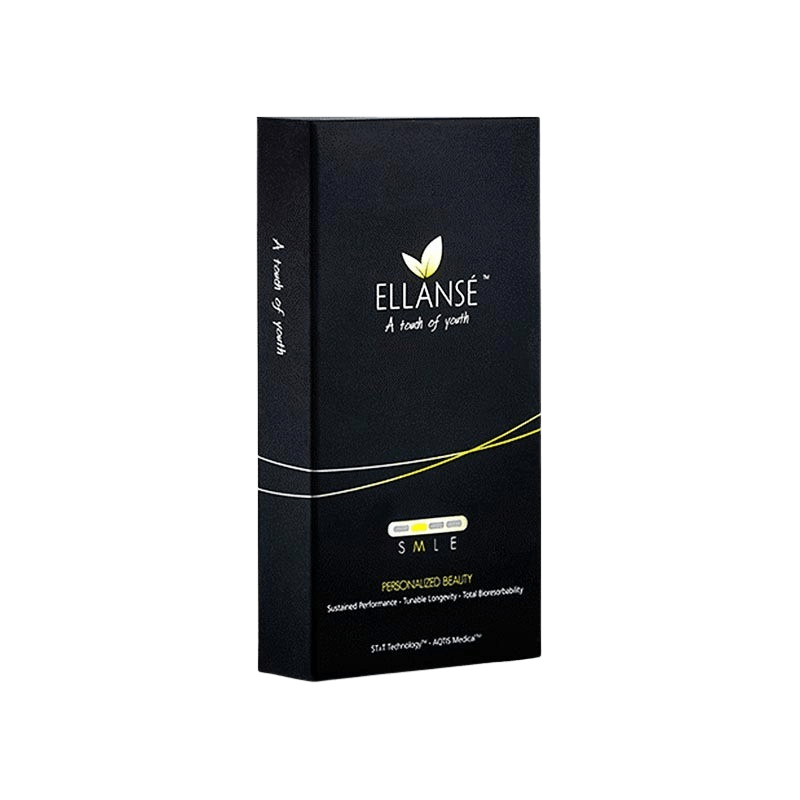
Ellanse™ M is a professional injectable dermal filler supplied as 2×1 mL prefilled syringes for licensed clinics and healthcare professionals. It combines polycaprolactone microspheres with a carboxymethylcellulose gel carrier, giving injectors immediate shaping support and a scaffold-style platform used in biostimulatory aesthetic protocols. Clinics can order Ellanse M filler for treatment-room use, inventory planning, and documented professional administration.
This presentation is intended for trained aesthetic providers who follow manufacturer instructions, local requirements, aseptic technique, and anatomy-based injection planning. Med Wholesale Supplies supports clinic procurement with authentic brand-name products sourced through vetted distributor channels and reliable US logistics.
Ellanse M 2×1 mL Ordering and Price Context
Ellanse M 2x1ml is packaged for professional use and supplied in sterile, prefilled syringes. Each unit should be entered into clinic inventory with lot and expiry documentation, then allocated according to protocol, patient assessment, and provider scheduling. Sign in to view current Ellanse M price information, volume terms, and ordering details for your account.
Because treatment plans vary by anatomy, indication, technique, and staging, purchasing teams should align box counts with provider calendars rather than relying on a single universal quantity. Multi-provider clinics may benefit from reserving adequate inventory for training days, follow-up visits, and planned facial harmonization sessions. If your team uses separate treatment rooms, document syringe movement clearly so lot traceability remains intact.
Quick tip: Reference the 2×1 mL syringe configuration when coordinating internal stock counts, provider schedules, and reordering thresholds.
Professional Use and Treatment-Room Fit
Ellanse M dermal filler is used by trained injectors within aesthetic soft-tissue augmentation and contouring protocols. In practice, clinics may consider it for structural facial planning where immediate volume and longer-horizon collagen-support goals are part of the treatment strategy. Common professional planning areas discussed for this class include midface support, jawline and chin contouring, and correction of selected folds or hollows when appropriate for the individual presentation.
The formulation contains smooth PCL microspheres in a gel carrier. The carrier provides initial lift and handling characteristics, while the microsphere platform supports the biostimulatory role associated with this product family. Technique, depth, plane selection, and injection volume remain clinician-directed decisions and should be based on training, anatomy, patient history, and product literature.
For a broader explanation of the product family and how PCL-based fillers differ from other injectable options, see the Ellanse filler guide. Clinics evaluating broader filler menus can also browse professional dermal fillers for adjacent products used in aesthetic practice.
Composition and Mechanism
Ellanse M PCL filler contains polycaprolactone microspheres dispersed in a biocompatible carboxymethylcellulose-based gel. Polycaprolactone is a biodegradable polymer used in the Ellansé platform, and the microsphere structure is designed to provide a scaffold effect after the initial gel-supported correction. The result is a dual-phase product concept: immediate shaping from the gel carrier and longer-term support associated with collagen stimulation.
The supplied composition in this presentation includes the following components:
- Polycaprolactone microspheres
- Carboxymethylcellulose gel carrier
- Phosphate-buffered saline
- Glycerin
These ingredients do not replace clinical judgment about suitability. Providers should review contraindications, injection-plane guidance, tissue quality, prior filler history, vascular risk, and post-procedure instructions before administration. Any decision to combine this filler with other aesthetic treatments should be made within a documented protocol.
Key Features for Clinic Procurement
- Supplied as 2×1 mL sterile prefilled syringes for professional use.
- PCL microsphere platform designed for biostimulatory aesthetic workflows.
- Gel carrier supports immediate shaping and practical injectability.
- Lot and expiry labeling supports traceability and clinic documentation.
- Useful in staged treatment planning where structural support is prioritized.
- Compatible with inventory workflows that require room-level stock control.
- Common local responses may include swelling, redness, itching, bruising, or irritation.
Clinics selecting Ellanse M wholesale should assess how the product fits their existing injectable portfolio. HA fillers, collagen-stimulating fillers, skin-quality injectables, and energy-based procedures may serve different goals. Product choice should reflect anatomy, expected duration, tissue behavior, patient history, and provider training rather than a single cost or brand preference.
Safety, Risks, and Cautions
As with other injectable dermal fillers, Ellanse M injections can cause local reactions at the treatment site. Expected reactions may include mild irritation, tenderness, swelling, itching, redness, bruising, or temporary discomfort. Clinics should counsel patients on aftercare and provide clear escalation instructions for symptoms that are severe, persistent, spreading, or clinically concerning.
Serious filler complications are uncommon but can include infection, nodules, inflammatory reactions, tissue compromise, vascular occlusion, and other events requiring prompt clinical assessment. Providers should use appropriate anatomy knowledge, aseptic practice, aspiration or cannula strategies according to their training, and immediate management protocols for vascular or inflammatory concerns. Product literature and current professional guidance should inform contraindication screening and emergency readiness.
Patient selection is central to safe use. Review prior filler treatments, autoimmune or inflammatory history, active infection, known hypersensitivity concerns, recent procedures, anticoagulant use, and treatment expectations. Do not use the product outside professional scope, labeling, training, or clinic protocol. Document informed consent, lot number, injection sites, technique, volume used, and post-treatment instructions in the clinical record.
Handling, Storage, and Documentation
Keep syringes sealed until use and inspect packaging before preparing the treatment room. Do not use a unit if packaging integrity, labeling, or expiry status raises concern. Staff should follow manufacturer storage conditions, aseptic preparation steps, and clinic policies for sterile injectables. Temperature-controlled handling when required and tracked US delivery may support documented receiving workflows for busy practices.
Inventory teams should record received quantities, lot numbers, expiry dates, room transfers, and provider assignment. This helps maintain traceability if the clinic later needs to audit procedures, reconcile usage, or respond to a manufacturer notice. For multi-location practices, central purchasing should coordinate allocation so each location receives quantities aligned with booked procedures and staffing.
Why it matters: Clear lot control protects clinical documentation and reduces confusion during high-volume injectable days.
Comparing Ellanse M with Related Filler Choices
Ellanse M is part of the Ellansé product family, so clinics often compare it with other family members when planning duration, projection, and maintenance cadence. For another option in the same line, see Ellanse S 2×1 mL prefilled syringes. The broader Ellanse brand range can help purchasing teams evaluate how different presentations may fit their formulary.
Product comparisons should distinguish PCL-based biostimulatory fillers from hyaluronic acid fillers and other collagen-stimulating injectables. HA products may be chosen for dynamic areas, hydration-focused correction, or treatment plans where reversibility is a key consideration. Other collagen-stimulating fillers may vary in composition, preparation, injection technique, and timeline. For cross-class decision support, read hyaluronic acid versus non-hyaluronic acid fillers and Sculptra versus Radiesse considerations.
No filler should be selected on duration alone. Evaluate tissue thickness, volume deficit, mobility, prior procedures, patient preference, complication management needs, and the injector’s experience with the material. If your clinic offers multiple filler classes, protocol charts can help staff route cases to the appropriate provider consultation without implying one product is universally preferable.
Availability, US Distribution, and Clinic Supply Planning
Ellanse M is available for professional ordering through licensed clinic accounts. US distribution supports predictable procurement planning for practices that need product continuity across scheduled injectable days. Sign in to view live account terms and coordinate quantities for upcoming cases, staff training, or recurring aesthetic sessions.
When planning a bulk order, consider booked procedures, likely consultation conversions, provider capacity, expiry rotation, and storage policies. Avoid overextending inventory beyond realistic usage patterns, especially when multiple filler types are stocked in the same practice. If a clinic is building a new PCL filler protocol, initial quantities should support training, documentation review, and controlled rollout before expanding routine use.
Clinics asking whether Ellanse is available in the US should separate procurement logistics from regulatory or label questions. Availability through a professional supplier does not replace the clinic’s responsibility to follow applicable rules, manufacturer instructions, and provider scope. For official product information, consult the manufacturer and the documentation supplied with the product.
Authoritative Sources
- Manufacturer information for Ellansé products: Ellansé official website
This content is for informational purposes only and is not a substitute for professional medical advice.
Frequently Asked Questions
Who can order Ellanse™ M from Med Wholesale Supplies?
Ellanse™ M is offered for licensed clinics, med spas, aesthetic practices, and healthcare professionals using professional injectable products. Account review and clinic documentation may be required before purchasing.
What is included in the Ellanse M clinical pack?
The supplied presentation is 2×1 mL prefilled syringes. Clinics should record lot number, expiry, receiving date, storage status, and provider use according to internal documentation procedures.
How should clinics think about Ellanse M price and ordering quantity?
Sign in to view current account pricing. Ordering quantity should reflect booked procedures, provider schedules, training days, expiry rotation, and whether the clinic stocks other fillers for different treatment goals.
What are the main risks of Ellanse M injections?
Common local reactions may include swelling, redness, itching, bruising, irritation, tenderness, or temporary discomfort. Serious filler complications can occur, so trained providers should screen patients, follow product literature, and maintain complication-management protocols.
Is Ellanse M the same as a hyaluronic acid filler?
No. Ellanse M is a PCL-based dermal filler with a carboxymethylcellulose gel carrier. Hyaluronic acid fillers use a different material and may be selected for different clinical reasons, including treatment area, tissue behavior, and reversibility considerations.
Specifications
- Main Ingredient: Polycaprolactone (Pcl) Microspheres
- Manufacturer: AQTIS Medical BV
- Drug Class: Aesthetic Surgery Product
- Generic Name: Injectable Filler
- Package Contents: 1 mL x 2 Pre-Filled Syringes
- Storage Requirements: Room Temperature (2℃~25℃)
- Main Usage:
About the Brand
Ellanse
Ellanse is a pioneering brand in the medical field, known for its wide selection of dermal fillers used in aesthetic and corrective procedures. The brand's unique formulation delivers enduring results that enhance facial features, alleviate wrinkles, and rejuvenate aging skin. The coveted brand is now purchasable on our trusted e-commerce platform, medwholesalesupplies.com. When you choose to buy Ellanse through medwholesalesupplies.com, you benefit from several perks. Primary among them is our commitment to source all products directly from the brand, ensuring their authenticity and quality. As a buyer, this gives you peace of mind regarding the safety and efficacy of purchased Ellanse dermal fillers. Furthermore, medwholesalesupplies.com furnishes you with competitive prices and convenient delivery options, making access to this innovative medical brand more comfortable. Medical professionals choosing to buy Ellanse through us will enable them to provide their patients the latest in aesthetic and corrective treatments. The prolonged effects of Ellanse treatments mean patients can relish the results for a more extended period, alleviating the need for regular clinic visits. Our user-friendly online order system and dependable shipping arrangements equip medical professionals to replenish their Ellanse products conveniently, ensuring they are always prepared to deliver superior results to their patients.
Browse Ellanse Products
Here to help
Questions about ordering, delivery or products? You can email our team here or call now at 1-800-630-9757 and be connected with your dedicated Account Manager
Related Products
Evenity® (English Alternative)
Injectable Medication
$1,229.00 - $1,299.00
You save
You save
Intraline® For Men
Dermal Filler
$59.00 - $79.00
You save
You save
RejuvaNAD+ Pro
Injectable Medication
$237.00 - $249.00
You save
You save
Teosyal® RHA 4
Aesthetic Surgery Product
$259.00 - $279.00
You save
You save
Related Articles
Prednisone in Clinical Care: Uses, Risks, and Monitoring
Prednisone is a prescription systemic corticosteroid used to reduce inflammation or suppress immune activity in…
Lip Fillers Swelling Stages: Timeline, Safety, and Follow-Up
Lip fillers swelling stages usually follow a short inflammatory course: swelling appears soon after injection,…
Hypopigmentation of the Skin: Assessment and Care
Hypopigmentation of the skin means one or more areas look lighter than the surrounding skin.…
Radiesse vs Sculptra: Selection Factors for Clinics
Radiesse vs Sculptra is best understood as a comparison between two collagen-stimulating injectables with different…
Hyaluronic Acid Under-Eye Filler: Safety and Workflow
Hyaluronic acid under-eye filler is an injectable soft-tissue filler used by trained aesthetic clinicians to…
Dermal Filler Types: Materials, Uses, and Clinic Fit
Dermal filler types are usually grouped by their base material, tissue behavior, and expected role…
What Is Dysport? Clinical Uses, Safety, and Workflow
For clinic teams asking what is Dysport, the short answer is simple: Dysport is a…
Biostimulators in Aesthetic Care: Selection and Safety
Biostimulators are injectable aesthetic products used to encourage a controlled tissue response, often involving new…