

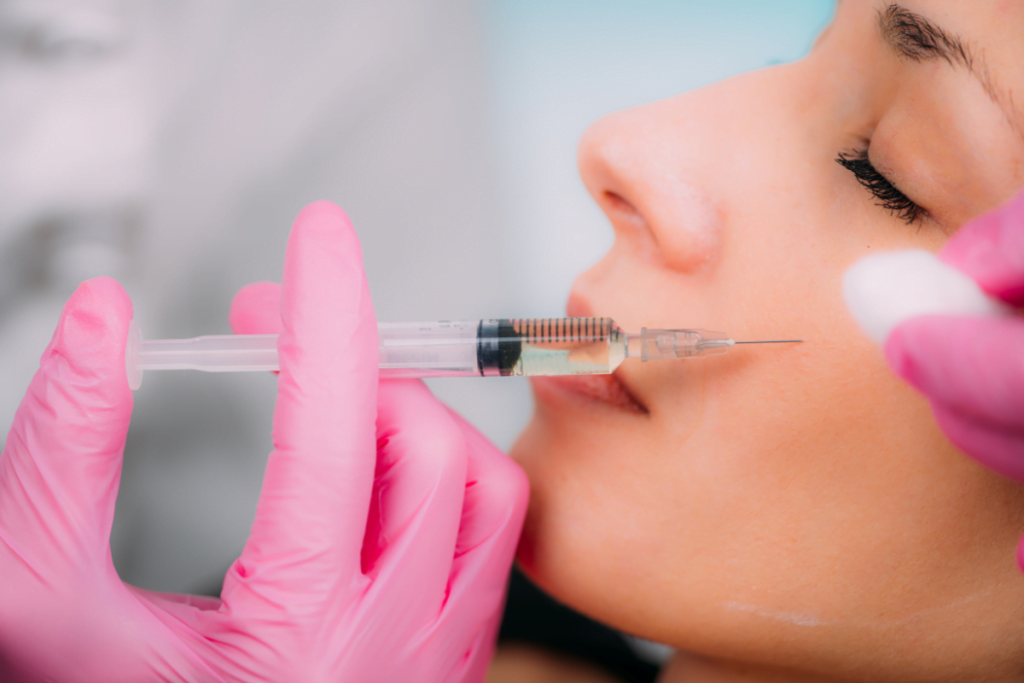
A juvederm treatment is a hyaluronic acid filler service used to support facial volume, contour, and soft-tissue refinement when the patient, product, and treatment area are appropriately matched. Its popularity in clinics comes from strong brand recognition, a broad filler family, and repeatable workflows for consultation, consent, photography, lot tracking, and follow-up. For clinic teams, the key is not to treat a brand request as a complete plan. The request should start a structured assessment.
Patients often arrive with familiar search phrases, such as treatment areas, before-and-after photos, side effects, duration, and cost. Licensed teams need to translate those questions into anatomical goals, risk discussion, and documentation standards. This article keeps the focus on clinic operations, not consumer promotion.
Key Takeaways
- Demand driver: Brand awareness helps patients name the service.
- Clinical anchor: Product selection should follow anatomy and labeling.
- Workflow need: Photos, consent, and lot records should be standardized.
- Safety focus: Teams should monitor expected reactions and escalation triggers.
- Sourcing step: Use verified channels and document product traceability.
What Makes a Juvederm Treatment Operationally Popular?
A juvederm treatment is operationally popular because it fits common aesthetic requests while allowing clinics to build repeatable protocols. Patients may ask for cheeks, lips, jawline definition, or line softening. The clinic then maps that request to tissue depth, mobility, patient history, and product characteristics.
This matters because brand-led demand can create shortcut thinking. A patient may request a named filler after seeing a social post, but that does not confirm suitability, volume needs, or treatment sequencing. Intake should still cover medical history, prior procedures, allergies or sensitivities, medications that may affect bruising risk, and the patient’s tolerance for swelling or staged correction.
From a practice-management view, a recognized filler family also reduces communication friction. Front-desk teams hear the same questions repeatedly. Injectors can align on chart language. Procurement staff can forecast stock around recurring appointment types. For broader clinical context, teams can use Juvederm For Clinics as a companion resource on formulation, safety, and workflow considerations.
Why it matters: A structured intake keeps a brand request from replacing clinical judgment.
How Hyaluronic Acid Fillers Work in Practice
Hyaluronic acid fillers are injectable gels designed to add or restore soft-tissue volume in selected facial areas. Hyaluronic acid, often shortened to HA, is a sugar-based molecule found naturally in skin and connective tissue. In dermal fillers, HA is processed into gels with different handling properties.
Clinic teams often describe these properties with terms such as viscosity, cohesivity, and elasticity. Viscosity relates to flow. Cohesivity describes how a gel holds together. Elasticity relates to how a gel responds to compression and movement. These terms are useful for internal training, but they should not become unsupported patient-facing claims.
In consultation, simpler language usually works better. Explain that different HA fillers are designed for different tissue needs, such as support, contour, smoothing, or subtle refinement. Avoid blanket statements such as one product being universally better. A product that suits one area may not suit another area or patient goal.
Teams should also avoid promising exact duration. Filler persistence can vary by product, treatment area, individual metabolism, injection technique, volume used, and movement in the region. A conservative approach is to explain that longevity varies and should be discussed in relation to the specific plan and official labeling.
Mapping Product Families to Patient Requests
Clinics can manage juvederm treatment questions more consistently by translating patient language into treatment-area categories. Most patients do not ask about gel behavior. They ask whether a filler can help cheeks, lips, folds, jawline, or overall facial balance.
That translation should happen before discussing a specific syringe count or product name. It should include baseline anatomy, previous filler history, facial movement, skin quality, and whether the patient is seeking structure, hydration, projection, or line softening. Product names may support the conversation, but they should not lead it.
Cheek and midface requests
Cheek requests may involve anterior projection, lateral support, or broader midface volume. Patients often expect a visible lift when they search before-and-after images. Clinic documentation should separate the patient’s stated goal from the injector’s anatomical assessment. That distinction improves chart quality and helps with follow-up conversations.
For internal education around cheek-focused planning, Juvederm Voluma For Cheeks provides a related discussion of lift, contour, and safety language. Product-specific links should support staff familiarity, not override label review or injector assessment.
Lip and perioral requests
Lip requests can mean several different things. A patient may want vermilion volume, border definition, symmetry correction, hydration, or support around perioral lines. Each goal has different swelling expectations and different documentation needs.
When patients bring screenshots, treat them as preference signals rather than outcome templates. Record the patient’s goal in concrete terms where possible. For example, chart whether the patient emphasized shape, projection, symmetry, or subtle border definition. This helps the team compare expectations with anatomy during follow-up.
Jawline and lower-face contour
Jawline requests often involve structural expectations. Patients may ask about sharper definition after seeing lower-face images online. Clinic teams should explain that visible contour depends on baseline anatomy, soft-tissue thickness, skin laxity, and facial movement. Fillers may support selected goals, but they do not replace surgical evaluation when structural correction is the main concern.
If procurement teams track common filler categories, product pages such as Juvéderm Voluma With Lidocaine and Juvéderm Volbella With Lidocaine can help staff identify specific SKUs. Keep these references separate from patient-specific product selection.
Before-and-After Photos Without Overpromising
Before-and-after content is one of the strongest drivers of patient interest, but it is also a documentation risk. Photos can educate patients about realistic changes, early swelling, symmetry, and staged planning. They can also mislead when lighting, angles, expression, makeup, or timing are inconsistent.
A reliable imaging protocol should define camera position, background, lighting, facial expression, and standard views. It should also define when photos are taken. Immediate post-treatment images show a different clinical story than delayed follow-up images. Both may be useful, but they should not be mixed without context.
For staff training, Juvederm Photo Documentation offers a more focused look at capture standards and charting considerations. A related outcomes-oriented discussion is available at Juvederm Before And After.
Quick tip: Label photo sets with treatment date, view, and follow-up interval.
Safety, Side Effects, and Escalation Planning
Every juvederm treatment workflow should include a safety discussion before the procedure and a clear pathway for post-treatment concerns. Common local reactions after soft-tissue filler injections can include swelling, tenderness, bruising, redness, firmness, or discomfort. Serious complications are less common but require prompt recognition and escalation according to clinic protocol.
Teams should use standardized consent language that reflects the procedure, the planned treatment areas, potential adverse events, alternatives, and the limits of expected outcomes. Consent should also make clear that aesthetic results vary. Staff should know which questions require injector review rather than front-desk reassurance.
Escalation planning is especially important when symptoms fall outside expected patterns. Clinics should define who reviews urgent concerns, how photographs are collected, what information is documented, and when external care is appropriate. This should align with the medical director’s protocols, current labeling, and local scope-of-practice rules.
For a focused staff resource on monitoring and charting adverse-event concerns, see Side Effects Of Juvederm. Use internal education materials to support consistency, not as a substitute for official labeling or medical oversight.
Cost and Syringe Questions in a Clinic Setting
Cost questions usually appear early, but clinics should avoid quoting a plan before assessment. Pricing often depends on treatment area, product selection, injector time, total volume, follow-up structure, and local overhead. A clear estimate template helps staff avoid inconsistent explanations.
Patients may also ask whether one or two syringes is a lot. The safest clinic-facing answer is that syringe count only has meaning within a treatment plan. The same volume can produce different visible effects in different anatomical areas and different patients. Teams should avoid treating syringe number as a universal measure of intensity.
Front-desk scripts can explain that the consultation determines the recommended approach. They should not imply a guaranteed amount, result, or duration. If a patient asks about value, bring the conversation back to assessment, safety, product selection, and staged planning.
Procurement and Documentation Checklist
Popularity creates predictable inventory pressure. Clinics need products on hand, in date, traceable, and documented. MedWholesaleSupplies serves licensed clinics and healthcare professionals as a B2B supplier, with brand-name medical products sourced through vetted distribution and verified supply channels.
Procurement should remain separate from clinical decision-making. Stock availability should not drive product selection for a specific patient. Instead, inventory planning should reflect appointment patterns, common treatment areas, expiry management, and reorder controls.
- Verify eligibility: Confirm purchasing requirements for the clinic.
- Map demand: Match stock planning to appointment categories.
- Check traceability: Record lot number and expiry date.
- Review storage: Follow labeled handling instructions.
- Standardize consent: Keep templates current and area-specific.
- Capture photos: Use consistent views and timing.
- Define escalation: Document who reviews urgent concerns.
Teams that need a broader browsing path can use the Dermal Fillers Collection to organize product review. Editorial browsing is also available through the Dermal Fillers Topic Hub. These pages support navigation and staff orientation; they are not clinical protocols.
How Clinics Can Compare Fillers Without Overselling
Comparison questions are common because patients see many filler names online. A neutral comparison framework helps teams answer clearly without making unsupported superiority claims. The discussion should begin with the treatment goal, not the brand.
Useful comparison factors include tissue depth, mobility, desired support, tolerance for swelling, prior treatment history, and whether the patient needs subtle refinement or structural contour. Teams can also compare documentation burden, training familiarity, and inventory simplicity. However, all final product discussions should remain label-forward and protocol-driven.
Clinics should be cautious with phrases such as best filler, longest lasting, or most natural. These phrases are usually too broad. A better approach is to explain which product characteristics may fit the treatment area and why the injector will confirm suitability during assessment.
Authoritative Sources
Use official and regulator-backed sources to support patient education, consent language, and internal policy review. Always confirm current labeling and local practice requirements before finalizing clinic protocols.
- For general device safety information, review the FDA dermal fillers overview.
- For official brand and labeling context, consult the Juvéderm official information.
A juvederm treatment remains popular because it connects patient demand with a broad HA filler category that clinics can operationalize. The strongest workflows keep the process clinical: assess anatomy, document goals, standardize photos, discuss safety, verify sourcing, and record every product used.
This content is for informational purposes only and is not a substitute for professional medical advice.




