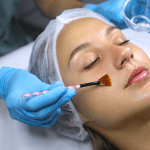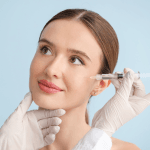

Demand for non-invasive cosmetic procedures has increased across many practice types. Patients often want visible change with limited downtime. Clinics, in turn, want predictable workflows and manageable risk. This guide frames the category in operational terms, not marketing terms.
You will see “non-surgical,” “minimally invasive,” and “non-invasive” used interchangeably. That language choice affects consent wording, coding, device logs, and product traceability. Clear definitions make it easier to run a consistent service line.
Key Takeaways
- Define terms early to standardize documentation.
- Match modality to indication, staffing, and follow-up capacity.
- Build traceability around products, lots, and device parameters.
- Set realistic outcomes language and escalation pathways.
- Choose suppliers that support compliant clinical purchasing.
Why Demand Is Rising in Non-Invasive Cosmetic Procedures
Several forces are converging. Patients are more familiar with aesthetic options through mainstream exposure. They also have less tolerance for long recovery periods. As a result, office-based services that fit into a lunch break remain attractive. Clinics are responding by expanding treatment menus beyond injectables into energy-based devices, topical systems, and combination plans.
Technology has also diversified. Practices can now offer targeted approaches for tone, texture, dyschromia (uneven pigmentation), laxity, and focal adiposity. That variety increases the need for structured triage and clear scope-of-service boundaries. It also raises the importance of staff training, maintenance routines, and adverse event readiness, especially when a “low downtime” procedure is still a medical intervention.
MedWholesaleSupplies serves licensed clinics and qualified healthcare professionals.
Trend awareness helps, but it is not enough. Consider browsing the Beauty Trends hub to see how clinics are framing new service lines. Use that intelligence to plan staffing, supplies, and follow-up, rather than to chase novelty.
What Counts as Non-Surgical: Definitions That Affect Documentation
In clinic operations, “non-surgical” usually means no operative incision and no operating room setting. It can still involve needles, energy delivery, or chemical injury to the skin. “Minimally invasive” often includes injections, microneedling, and threads. “Non-invasive” is commonly reserved for interventions that do not break the skin barrier. That boundary matters for consent language and infection control policies.
The phrase non surgical meaning is not purely academic. It drives how you explain risk, how you document technique, and what you track afterward. When vendors, staff, and patients use different definitions, you can end up with inconsistent charting. Create an internal vocabulary guide and apply it in templates. Include the same terms in pre-procedure instructions and post-procedure escalation guidance.
Why it matters: Clear terminology reduces documentation variance across providers and locations.
Quick Definitions You Can Standardize
Use short, consistent language in intake forms and notes. Keep it non-promotional. Link terms to what is recorded in the chart.
- Non-invasive: no skin puncture during treatment.
- Minimally invasive: small needle or microchannel entry.
- Energy-based: device delivers heat, light, or ultrasound.
- Resurfacing: controlled injury to improve texture.
- Biostimulatory: triggers collagen response over time.
Also decide on hyphenation. Many teams mix non surgical or non-surgical in the same chart. Pick one style for templates and staff training. Consistency helps in audits and in internal quality reviews.
Core Modalities Clinics Offer Today
The safest way to broaden an aesthetic menu is to map modalities to clinical goals and operational demands. Many patients ask for “skin treatments for glowing skin,” but that can mean hydration, pigmentation correction, or texture improvement. Translate the request into a documented indication and a realistic course plan. Then match it to a modality you can support with training and aftercare pathways.
When you evaluate non-invasive cosmetic procedures as a category, separate the device or product from the care pathway. Staffing requirements, room turnover, disposables, and post-treatment support often drive real-world feasibility more than the headline technology.
| Modality class | Common clinic goals | Operational notes | Documentation focus |
|---|---|---|---|
| Neuromodulators | Dynamic rhytids (expression lines) | Cold chain and reconstitution policies vary | Product, lot, dilution method per SOP |
| Dermal fillers | Volume, contour, static lines | Emergency preparedness is essential | Lot traceability, injection sites, consent |
| Energy-based tightening | Laxity and texture | Device maintenance and parameter logging | Settings, passes, and skin assessment |
| Resurfacing (chemical/device) | Texture, photodamage, dyspigmentation | Aftercare and complication triage plan | Pre/post photos, depth/level, contraindications |
| Injectable biostimulators | Gradual collagen support | Series planning and long follow-up window | Reconstitution, technique, monitoring |
Injectables: Patterns in Patient Questions
Patient language can be imprecise. “What procedure makes your face look younger” may refer to reducing dynamic lines, restoring midface volume, or improving skin quality. Your intake and consultation structure should triage those goals before any treatment selection. For deeper reading on trends and clinic demand signals, see 2024 Trends And Statistics For Botox and the neutral comparison in Xeomin Vs Dysport.
Some practices also support skin quality through professional-grade topicals as part of aftercare. If you stock these, document how they are dispensed and reconciled. Examples from the catalog include ZO Wrinkle Texture Repair for structured regimens and Jalupro Enhancer Gel as a clinic-dispensed topical option. Policies differ by jurisdiction and scope, so align with your compliance lead.
MedWholesaleSupplies focuses on authentic, brand-name medical products.
Face, Neck, and Body: Practical Matching Considerations
Sites drive both outcomes and risk. Facial treatments emphasize fine detail, vascular anatomy, and patient expectations. Neck work often requires careful counseling because laxity and platysmal banding may respond differently than facial lines. Body work adds variability from skin thickness, adipose distribution, and stretch marks. This is where a “one device solves all” narrative fails operationally.
Patients often ask for the best non surgical procedure for neck tightening. In practice, that depends on whether the primary issue is skin laxity, submental fullness, or texture. Similarly, skin tightening treatments for stomach can refer to laxity after weight change, post-pregnancy changes, or localized adiposity. For teams adding body contouring, review the evidence framing and limitations in Advances In Non-Invasive Fat Removal.
For submental concerns, some clinics evaluate injectable options alongside device-based approaches. A focused overview is available in Belkyra For Submental Fat. Use it as a workflow prompt: intake, contraindication screening, post-treatment swelling guidance, and follow-up scheduling.
Common Pitfalls to Plan Around
- Vague goals: no written definition of success.
- Overlapping services: unclear sequencing across modalities.
- Undocumented settings: missing device parameters in notes.
- Aftercare gaps: no standardized escalation guidance.
- Photography drift: inconsistent lighting and angles.
Combination care can be appropriate, but it is also where errors cluster. Standardize intervals and responsible roles. Keep the plan in the chart, not in memory.
Clinic Workflow and Sourcing Controls
Clinical demand is only half the story. Safe delivery requires controls for intake, training, documentation, and supplies. Build a workflow that survives staffing changes and multi-provider schedules. Start with your most common “small medical procedures,” then extend the same discipline to less frequent offerings.
When you operationalize non-invasive cosmetic procedures, treat them like any other procedural service line. Maintain equipment logs, keep incident reporting pathways active, and define who can change protocols. Procurement also matters. Many clinics prefer shipped from the US supply lines to simplify receiving and reconciliation, but your compliance requirements should drive the final decision.
Clinic Workflow Snapshot (High Level)
Policies vary by state and facility type, so keep your steps generic and auditable. The goal is repeatability. Tie each step to a document, a log, or an EHR field. Then review it quarterly.
- Verify: credentials, scope, and device operator training.
- Document: consent, baseline assessment, standardized photos.
- Procure: approved vendor list and receiving checks.
- Receive: lot capture, expiration checks, storage conditions.
- Store: access control and inventory reconciliation cadence.
- Deliver: procedure note template with required fields.
- Follow-up: adverse event triage path and timed check-ins.
- Record: outcomes tracking and protocol review triggers.
MedWholesaleSupplies sources inventory through vetted distribution channels.
Operational Checklist for a New Modality
- Define scope: indications your clinic will accept.
- Train staff: roles, competencies, and refresh cadence.
- Template notes: parameters, sites, and aftercare instructions.
- Stock supplies: disposables, PPE, and emergency kit items.
- Photo protocol: same camera settings and backdrop.
- Device logs: maintenance, calibration, and service schedule.
- Traceability: product lots linked to each encounter.
If you offer “no-peel” or low-downtime resurfacing, treat aftercare as a formal protocol. For one example of how clinics describe these pathways, see PRX-T33 Treatment. Use it to prompt your own documentation and education materials, not as a script.
How to Compare Options and Communicate Outcomes
Patients ask for “best cosmetic procedures” or “top non surgical cosmetic procedures,” but “best” is contextual. Your comparison framework should be consistent and chartable. It should also be honest about trade-offs. Some modalities prioritize texture. Others target laxity or focal fat. A good consult process makes those differences explicit without overselling.
To compare non-invasive cosmetic procedures across vendors and devices, focus on decision factors you can measure operationally. These include staff time per visit, consumables per session, parameter ranges you must document, and follow-up burden. Also consider how you will handle dissatisfied patients and how you will document shared decision-making.
Quick tip: Use the same outcomes photos and scales across modalities.
- Indication fit: texture, laxity, volume, or adiposity.
- Risk profile: known adverse events and escalation steps.
- Workflow load: room time, staffing, and reprocessing needs.
- Patient tolerance: discomfort management and downtime counseling.
- Traceability: products, lots, and device settings captured.
When patients compare injectable “skin quality” options, you may see demand for hybrid plans. If you want a neutral, mechanism-focused refresher to support your internal training, review Profhilo Injections. Keep your own consent and labeling aligned with local regulations and product information.
Service line planning also benefits from scanning the broader landscape. The overview in Non-Surgical Aesthetic Treatments For 2025 can help you prioritize staff education and avoid redundant device purchases. If you operate multi-site, reliable US logistics can simplify standardized stocking, but governance still matters more than shipping speed.
Authoritative Sources
Keep your clinical policies anchored to primary sources. For drugs and devices, rely on FDA-cleared indications, manufacturer instructions, and your local scope rules. For professional standards, use major specialty organizations. Build a small internal library and update it during protocol reviews.
When you train staff, separate “how it works” from “what it is approved for.” That distinction protects patients and protects the clinic. It also keeps marketing language from leaking into the medical record. Use these references as starting points, then confirm details in official labeling and facility policies.
- FDA overview of aesthetic and cosmetic devices
- FDA consumer update on dermal fillers
- American Academy of Dermatology cosmetic procedures resources
Further reading: Use your incident logs and outcomes tracking to decide what to expand next. Add one modality at a time, then standardize.
This content is for informational purposes only and is not a substitute for professional medical advice.