Hand rejuvenation is best planned as a staged correction of volume loss, skin texture change, and pigmentation rather than a single treatment. For aesthetic clinics, the main task is to identify the dominant concern, match it to an appropriate modality, and document the plan clearly. This matters because dorsal hands are exposed, mobile, and difficult to photograph consistently. Small changes in lighting, swelling, or dryness can alter how results appear.
Patients may ask whether hand rejuvenation “works.” A balanced clinic answer is that improvement depends on the target. Volume procedures may soften visible tendons and veins, resurfacing may improve texture or dyschromia, and home care may support barrier function between visits. None of these pathways should be framed as permanent or universally suitable.
Key Takeaways
- Assess volume, texture, and pigment as separate treatment targets.
- Stage care when multiple concerns compete for priority.
- Use consistent photo, consent, and follow-up protocols.
- Discuss cost drivers without quoting before assessment.
- Record product, lot, site, and aftercare details every time.
Hand Rejuvenation Assessment: What Changes With Age
Aging hands usually show layered changes in fat, dermis, pigment, and barrier function. Subcutaneous fat thins, which can make extensor tendons, veins, and metacarpal contours more visible. Dermal collagen and elastin decline, contributing to crepiness, fine wrinkling, and reduced skin resilience. Chronic ultraviolet exposure can add dyspigmentation, including lentigines, often called sun spots.
Clinical assessment should separate what the patient notices from what the clinician can safely and realistically address. A patient may describe “old-looking hands,” but the visible driver may be volume loss, rough texture, uneven pigment, prominent veins, or dryness. That distinction shapes whether the plan leans toward injectables, resurfacing, topical support, or referral.
Baseline notes should be plain and repeatable. Document skin thickness, visible veins, tendon prominence, pigment distribution, scars, previous procedures, and edema tendency. Occupational details also help. Frequent handwashing, outdoor work, gloves, chemicals, sports, or musical instruments can affect downtime tolerance and irritation risk.
Why it matters: Treating the hand as one cosmetic problem can lead to mismatched modalities and weak follow-up comparisons.
Matching Treatment Options to the Main Concern
The most useful hand rejuvenation framework starts with the leading concern, then narrows the modality. This keeps the consult practical and reduces the urge to stack procedures too early. It also helps teams answer common patient questions about wrinkles, veins, spots, and cost in a consistent way.
Volume Loss and Prominent Structures
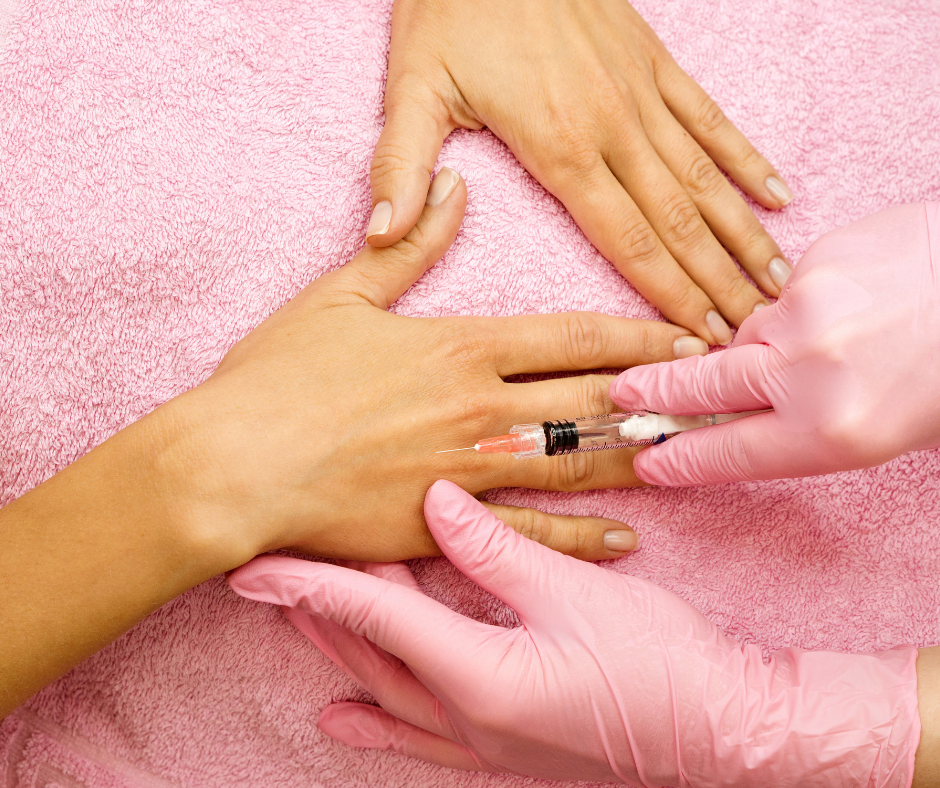
Volume-focused injectables are commonly considered when tendons, veins, or bony contours dominate the appearance. The goal is usually camouflage and contour softening, not elimination of normal anatomy. Product selection, injection plane, and technique are training-dependent and should follow labeling, local rules, and clinician scope.
From an operations standpoint, volume correction needs careful lot tracking, injection-site documentation, and post-procedure visibility counseling. Swelling or bruising can be more noticeable on hands than in less exposed areas. If your clinic maintains a formulary, the Dermal Fillers category can support internal navigation across relevant product types. Product examples sometimes discussed in aesthetic settings include Radiesse 1.5 mL, where appropriate to labeling and clinician judgment.
Crepey Texture and Skin Quality
Texture complaints may require a different plan from volume loss. Crepey, dry, or finely wrinkled skin can reflect dermal aging, barrier disruption, and light reflection changes. Clinics may consider hydration-focused injectables, biostimulatory approaches, resurfacing, topical regimens, or staged combinations, depending on assessment.
Skin-quality procedures should have specific documentation targets. Instead of writing “improved texture,” define what the team will monitor: fine lines, dryness reports, sheen, roughness, or photo-visible crepiness. The educational page on Skin Boosters Injections can help staff align terminology around hydration-focused treatments. For product-category navigation, clinics can also review Skin Boosters as a browseable collection.
Pigment, Sun Damage, and Surface Irregularity
Uneven pigment often needs a separate pathway from volume correction. Light-based devices, fractional resurfacing, chemical exfoliation, and topical programs may be considered in selected patients. The hands can be less forgiving than the face because the skin is thin, sun-exposed, and frequently irritated by washing or sanitizers.
Risk counseling should include temporary redness, swelling, pigment darkening after irritation, and the need for photoprotection. Avoid promising a fixed number of sessions or a uniform result. Photo documentation should capture the same lighting, distance, and hand position each time, since glare can make pigment appear better or worse.
Injectables, Biostimulators, and Skin Boosters in Context
Injectable planning for the dorsal hands should distinguish structural support from skin-quality support. Volumizing fillers are generally selected to improve contour and reduce contrast around tendons or veins. Biostimulatory products may be discussed for collagen-supporting mechanisms, depending on product type and professional training. Hydration-focused injectables are usually positioned around skin smoothness and fine texture, not major contour change.
Clinics should avoid substituting products based only on appearance, packaging, or broad category. Each product has its own handling expectations, counseling points, and documentation needs. If a protocol changes, update consent language, photo timing, and follow-up templates before the first appointment under the revised pathway.
For staff education on biostimulatory concepts, review mechanism-focused resources such as How Radiesse Boosts Collagen and Sculptra Aesthetic. These resources should supplement, not replace, product labeling, device training, or local clinical governance.
MedWholesaleSupplies serves licensed clinics and healthcare professionals through a B2B model. When sourcing medical aesthetic products, clinics should maintain their own verification, receiving, and inventory documentation in line with internal policy and applicable regulations.
| Primary target | Common clinic options | Documentation focus | Planning note |
|---|---|---|---|
| Prominent tendons or veins | Volumizing injectables | Anatomy, volume target, product and lot | Discuss visible swelling and bruising risk |
| Crepey texture | Skin boosters, resurfacing, topical support | Texture description and consistent photos | Define what “skin quality” means in the chart |
| Uneven pigment | Energy-based devices, peels, topical regimens | Pigment map and sun exposure history | Reinforce photoprotection and irritation counseling |
| Large volume deficit | Referral for surgical evaluation | Prior procedures and treatment history | Clarify recovery impact on daily hand use |
Energy-Based and Surface Treatments
Energy-based treatments may fit when pigment, roughness, or surface texture is the main concern. Clinics may consider pigment-targeting light treatments, fractional resurfacing, vascular-focused approaches, or combined protocols within training and device labeling. Because dorsal-hand skin is thin and mobile, conservative patient selection and clear pre-care instructions matter.
Laser hand rejuvenation raises practical workflow issues. Staff need device-specific consent language, pre-treatment screening, aftercare instructions, and a reliable way to photograph subtle surface changes. Facial photo setups do not automatically translate to hands. Tendon position, background color, wrist angle, and skin glare can change the visual impression.
Chemical exfoliation or topical adjuncts may also be used in some clinics. Keep patient-facing language cautious. Peels and resurfacing can improve selected texture or pigment concerns, but irritation, pigment shift, and downtime vary. Document recent tanning, photosensitizing medications when relevant to protocol, and prior reactions before proceeding.
Quick tip: Use a fixed background and hand position for every before-and-after series.
When to Consider Surgical or Referral Pathways
Some presentations sit outside the practical limits of office-based injectables or devices. Large-volume deficits, complex anatomy, major laxity, prior complications, or patient preference for surgical options may justify referral. Fat grafting, also called autologous fat transfer, is one surgical volume-restoration pathway. Suitability depends on surgical assessment, donor-site considerations, and recovery tolerance.
Hand rejuvenation surgery discussions should remain within the clinic’s scope. Non-surgical teams can explain why a referral may be appropriate, what records may help the receiving clinician, and how prior treatments could affect planning. Avoid quoting costs before a formal assessment, especially when multiple modalities or staged procedures may be involved.
Referral notes should include prior injectable product types, dates, approximate treatment areas, adverse events, and current concerns. If the patient has had laser or peel treatments, include device or modality type when available. This supports continuity and reduces repeated intake work.
Home Care and Maintenance Between Visits
Home care cannot replace in-clinic correction, but it can support skin barrier function and photoprotection. Many patients begin with hand creams, retinoids, or brightening products before seeking procedures. A clinic should acknowledge that pathway while avoiding universal product claims.
Basic counseling often centers on sunscreen use, moisturizers, irritation avoidance, and gradual introduction of actives. Retinoids may be poorly tolerated on hands that are washed frequently or exposed to sanitizers. If a patient reports burning, rash, cracking, or persistent irritation, staff should follow the clinic’s escalation process and advise clinician review.
For broader anti-aging context that includes prevention and treatment escalation, clinics may direct staff to Anti-Aging Treatments. The key is to keep recommendations consistent, documented, and aligned with the patient’s procedure plan.
Clinic Workflow: Documentation, Sourcing, and Follow-Up
A reliable workflow protects both the patient experience and the clinic record. Hand rejuvenation often involves subtle improvements, so charting needs to show the baseline concern, the agreed priority, and the reason for staging. This is especially important when patients compare photos under different lighting or seasonal skin conditions.
Use a simple internal sequence: assess, photograph, consent, treat or refer, document, and schedule review. For injectables, record product name, lot, expiry, treatment area, and relevant post-care instructions. For device procedures, record device or modality, settings as required by policy, endpoint observations, and aftercare provided. For topical plans, record key actives, irritation warnings, and follow-up expectations.
Supply controls also matter. Brand-name products should have traceable receipt records and expiry checks before clinical use. MedWholesaleSupplies works with vetted distributors and verified supply channels for licensed clinic accounts, but each practice still needs its own receiving logs and inventory controls.
Clinic-Facing Checklist
- Baseline priority: volume, texture, pigment, or mixed concern.
- Photo standard: distance, lighting, background, and hand position.
- Consent scope: risks, alternatives, maintenance, and staged care.
- Product record: name, lot, expiry, site, and amount as applicable.
- Aftercare record: written instructions and escalation route provided.
- Follow-up plan: timing, repeat photos, and deferred concerns.
- Adverse event log: symptoms, timing, photos, and clinician review.
Discussing Cost, Expectations, and Evidence
Hand rejuvenation cost varies because the treatment target varies. Volume correction, pigment reduction, and texture improvement may require different products, devices, staff time, and follow-up intensity. Clinics can explain cost drivers without quoting a range before assessment.
Patients commonly ask whether wrinkly hands can be reversed. A careful answer is that some visible signs may improve, but aging, sun exposure, hand use, and skin quality continue to influence appearance. Maintenance should be presented as normal, not as a sign that treatment failed. This framing also helps avoid disputes when swelling resolves or dryness returns.
Before-and-after evidence should be handled with discipline. Use consistent lighting, neutral backgrounds, and repeatable angles. Preserve original images in the medical record according to policy. When sharing examples, avoid implying that one patient’s result predicts another patient’s outcome.
Authoritative Sources
- FDA information on dermal fillers
- American Academy of Dermatology sun protection guidance
- American Society of Plastic Surgeons overview of hand rejuvenation
Hand rejuvenation planning works best when the clinic separates the visible concern, selects a suitable modality, and documents each step. That approach supports safer counseling, clearer expectations, and more consistent follow-up across providers.
This content is for informational purposes only and is not a substitute for professional medical advice.