
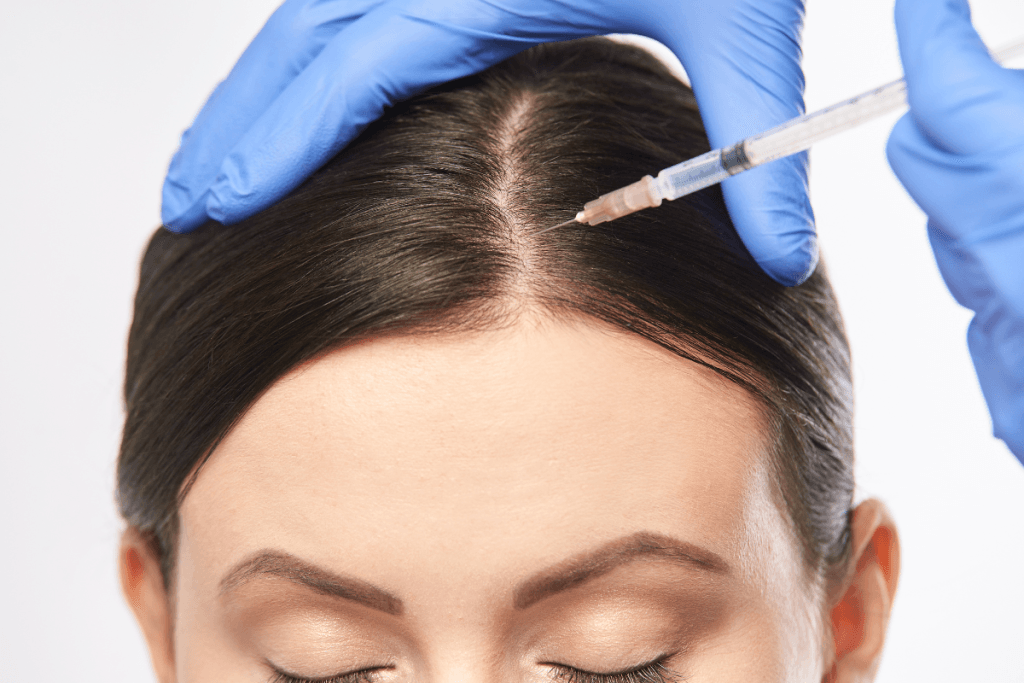
Hair filler dr cyj is an injectable scalp product category used in some aesthetic and hair-restoration clinics as a supportive option for thinning hair. It is not a cure for hair loss, and it should not replace a diagnostic workup. For clinic teams, the key questions are practical: what it contains, who may be a reasonable candidate, what safety exclusions matter, and how to document sourcing and treatment workflow.
This updated clinic-facing resource focuses on operational and clinical governance. It avoids consumer claims and does not provide dosing instructions. For broader service planning, teams can also browse the Hair Restoration category and review the background primer on Hair Fillers For Hair Loss.
Key Takeaways
- Position it carefully: supportive scalp injectable, not a guaranteed regrowth treatment.
- Start with diagnosis: thinning hair may reflect androgenetic, inflammatory, nutritional, endocrine, medication-related, or stress-related causes.
- Screen before treatment: infection, active dermatitis, hypersensitivity, bleeding risk, pregnancy, and lactation need conservative review.
- Standardize records: consent, photos, lot number, expiry, adverse-event notes, and aftercare instructions should be consistent.
- Source deliberately: professional channels and traceable documentation reduce counterfeit and gray-market risk.
What Hair Filler Dr CYJ Is in Clinic Context
Hair filler dr cyj is generally described as a peptide-based injectable for scalp use. In clinic discussions, it sits between home-use therapies and more involved procedures such as platelet-rich plasma or hair transplantation. The product name can create confusion because patients may associate “filler” with facial dermal fillers. Staff should explain that scalp hair fillers are not used to add facial volume. They are discussed as bioactive scalp injectables intended to support the follicle environment.
The clinical framing should stay measured. Hair thinning is a sign, not a diagnosis. A patient with diffuse shedding after illness, early androgenetic alopecia (pattern hair loss), traction-related loss, or inflammatory scalp disease may present with similar concerns. The treatment plan should therefore begin with history, scalp examination, medication review, and referral when findings suggest a medical disorder outside the clinic’s scope.
Why it matters: Clear positioning protects consent quality and reduces unrealistic before-and-after expectations.
When staff need a simple category explanation, the phrase “clinic-administered scalp injectable” is often clearer than “filler.” If your clinic already offers mesotherapy-style services, review Mesotherapy For Hair to keep the technique category separate from any single product.
Ingredients, Mechanism, and Evidence-Aware Language
Most clinic descriptions of this product category focus on peptides and hyaluronic acid. Peptides are short amino-acid chains that can act as signaling molecules. Hyaluronic acid is a water-binding glycosaminoglycan often used in aesthetic formulations as a carrier or hydrating matrix. These concepts help staff explain the product without making unsupported claims.
Use cautious wording when discussing mechanism. Peptide-based scalp injectables are often marketed around follicle signaling, scalp quality, and the microenvironment around hair roots. That does not mean every patient will see visible density changes. Outcomes can be influenced by the underlying diagnosis, duration of thinning, concurrent therapies, adherence to follow-up, and whether active inflammation or systemic disease is present.
What is Dr. CYJ hair filler made of?
Clinics should answer this from the current manufacturer documentation and the product packaging available in their market. In general terms, the category is commonly described as containing biomimetic peptides and hyaluronic acid. Avoid relying on social media ingredient summaries or third-party claims when preparing consent documents. If a patient asks about a specific peptide, lot, or formulation claim, staff should verify it against the product’s instructions for use and supplier documentation.
Does it work?
The safest clinic answer is conditional. Some patients may report improved shedding, scalp feel, or cosmetic density after a properly selected treatment course, but response is not guaranteed. Do not present hair filler dr cyj as equivalent to transplantation, as a replacement for medical treatment, or as a proven cure for alopecia. A more defensible statement is that it may be considered as part of a broader hair-restoration program when diagnosis and expectations are clear.
For mixed presentations, staff may benefit from reviewing Hair Loss In Young Adults, which highlights how stress, hormones, genetics, and lifestyle factors can overlap in real consults.
Candidate Selection and Safety Screening
Candidate selection should begin with the hair-loss subtype and the patient’s medical context. People with early cosmetic thinning may be very different from those with scarring alopecia, sudden patchy loss, active scalp infection, or diffuse shedding linked to systemic illness. Clinics should define which cases they treat, which cases they defer, and which cases require dermatologist or primary-care evaluation before aesthetic intervention.
Common precautions for scalp injectables include active infection, open wounds, severe dermatitis flare, known ingredient hypersensitivity, uncontrolled bleeding disorders, and inability to follow aftercare. Anticoagulant or antiplatelet use may increase bruising risk, so the prescribing clinician should guide any medication-related decisions. Pregnancy and lactation are often handled conservatively in aesthetic protocols because product-specific evidence may be limited.
Injection-related adverse events can occur even when a product is intended for scalp use. Clinics should discuss transient redness, swelling, tenderness, itching, bruising, pinpoint bleeding, headache, or temporary scalp sensitivity. More concerning findings include spreading redness, fever, escalating pain, drainage, or swelling that worsens rather than settles. These should trigger the clinic’s escalation pathway.
Is Dr. CYJ hair filler FDA approved?
Regulatory status can vary by country, product version, and intended use. Clinics should not assume approval based on brand familiarity or distributor language. In the United States, verify the relevant regulatory status and permitted use before adding any injectable to a service menu. If approval status is unclear, document the uncertainty and obtain appropriate regulatory or legal guidance before patient-facing promotion.
Quick tip: Keep a short contraindication checklist inside the consult template.
Protocol Planning Without Overpromising Sessions
Session planning should follow the product instructions, staff training, and local scope rules. Patients often ask how many sessions are needed, how long results last, and when photos will change. Clinics should avoid giving fixed promises unless those statements are supported by the product’s current instructions for use and the treating professional’s approved protocol.
A practical approach is to describe the service as series-based, with review points. This allows the clinician to reassess shedding, scalp condition, tolerance, adherence, and patient satisfaction before continuing. Photography can help, but only if it is consistent. Use the same lighting, camera distance, parting pattern, and hair preparation each visit. Wet hair, styling products, different angles, or flash changes can create false impressions.
Aftercare should be brief and written. Most clinics standardize instructions around keeping the scalp clean, avoiding aggressive manipulation for the period defined by clinic policy, and watching for signs that require contact. Document any concurrent treatments, including topical minoxidil, supplements, prescription therapies, PRP, microneedling, or device-based services. This makes later outcome discussions more accurate.
If your team offers adjacent injectable or regenerative services, review Mesotherapy Clinical Uses to align consent language, technique documentation, and adverse-event workflows across services.
Clinic Operations: Documentation, Sourcing, and Handling
Operational controls matter because scalp injectables require traceability. Before listing hair filler dr cyj in a service menu, define who can request inventory, who receives products, where items are stored, and how lots are assigned to patient charts. Policies vary by jurisdiction and facility type, so keep procedures simple, auditable, and aligned with your professional obligations.
MedWholesaleSupplies serves licensed clinics and healthcare professionals as a B2B supplier. In sourcing discussions, the relevant point is not promotional access; it is traceable procurement through vetted distribution and verified supply channels. That documentation can support internal purchasing controls, especially when products are vulnerable to counterfeit or gray-market substitution.
For product-specific review, clinics may reference Dr CYJ Hair Filler as a product page while still deferring to current packaging, IFU, local rules, and clinician training. Product pages should not be used as substitutes for regulatory review or clinical judgment.
Clinic workflow snapshot
- Verify: confirm professional scope and training requirements.
- Assess: document hair-loss history, scalp findings, and referral triggers.
- Consent: capture realistic expectations, risks, alternatives, and aftercare.
- Receive: inspect packaging, lot number, expiry, and quantity.
- Store: follow product instructions and segregate lots when needed.
- Administer: use aseptic technique and approved clinic protocols.
- Record: chart site notes, product details, tolerance, and follow-up plan.
Keep the chart language specific. “Hair treatment performed” is too vague for traceability. A stronger record includes product name, lot, expiry, clinician, treatment area, adverse-event discussion, patient tolerance, aftercare delivery, and follow-up plan. If the clinic uses photography, document the image protocol rather than relying on informal phone photos.
How It Compares With PRP, Mesotherapy, Topicals, and Transplant
Hair filler dr cyj is best compared by role, not by hype. It is a clinic-administered injectable product. PRP uses autologous blood products and requires collection and processing. Mesotherapy is a delivery technique umbrella, not one ingredient. Topical therapies depend on home adherence. Hair transplantation is surgical redistribution of follicles and does not stop ongoing hair-loss biology by itself.
These distinctions help coordinators answer questions without overstepping. A patient asking for “the strongest option” may actually need diagnosis, medication discussion, or surgical referral. Another patient may be seeking a lower-downtime supportive service. Staff should avoid ranking therapies as universally best. Instead, document the patient’s baseline, prior treatments, tolerance for procedures, budget discussions handled by the clinic, and whether medical evaluation is needed.
For clinics comparing PRP-related workflows, Plasmolifting PRP Gel can serve as a product-category reference, while internal policies should govern phlebotomy, processing, and patient suitability. For broader consumer-facing myths your staff may hear, the article on Botox Treatment For Hair may help clarify terminology during front-desk conversations.
Authoritative Sources
Clinic policies should rely on current product instructions, local regulatory requirements, and recognized medical sources. Use these references to support general hair-loss evaluation, injection safety, and escalation planning. They do not replace product-specific training or legal review.
- For general hair-loss education, review the American Academy of Dermatology hair-loss resources.
- For injection safety basics, use the CDC injection safety guidance.
- For dermatology terminology and conditions, consult NIAMS health topics from NIH.
In summary, a strong clinic program depends on careful positioning, conservative safety screening, traceable sourcing, and consistent documentation. Keep patient conversations diagnosis-led, avoid guaranteed outcomes, and reassess response within a broader hair-loss plan.
This content is for informational purposes only and is not a substitute for professional medical advice.