
Key Takeaways
- Define the technique: what is mesotherapy refers to superficial multi-injection delivery of small volumes.
- Set expectations: formulations, evidence quality, and endpoints vary by indication.
- Manage risk: treat it as an injectable procedure with infection and adverse-event controls.
- Document well: consent, product identifiers, photos, and aftercare instructions support continuity.
Overview
Clinics often ask, what is mesotherapy in practical terms. It is a technique that delivers small amounts of solution through multiple superficial injections. It is commonly discussed in aesthetic medicine, hair restoration, and body contouring contexts. The term can cover many formulations and protocols, which is why clear definitions matter.
In day-to-day clinic operations, mesotherapy sits between topical care and deeper injectables. It may be positioned as “skin revitalization,” “scalp support,” or “localized fat reduction.” However, the evidence base is uneven across uses, and products are not standardized. Your safest starting point is to treat mesotherapy as a procedure category, not a single product.
For clinics that source professional injectables through wholesale channels, traceability and documentation should be built in. MedWholesaleSupplies serves licensed healthcare professionals through verified distribution pathways, which supports lot-level tracking and supply continuity when you standardize protocols.
Core Concepts: What Is Mesotherapy in Aesthetic Practice
Technique Fundamentals and Where the Solution Goes
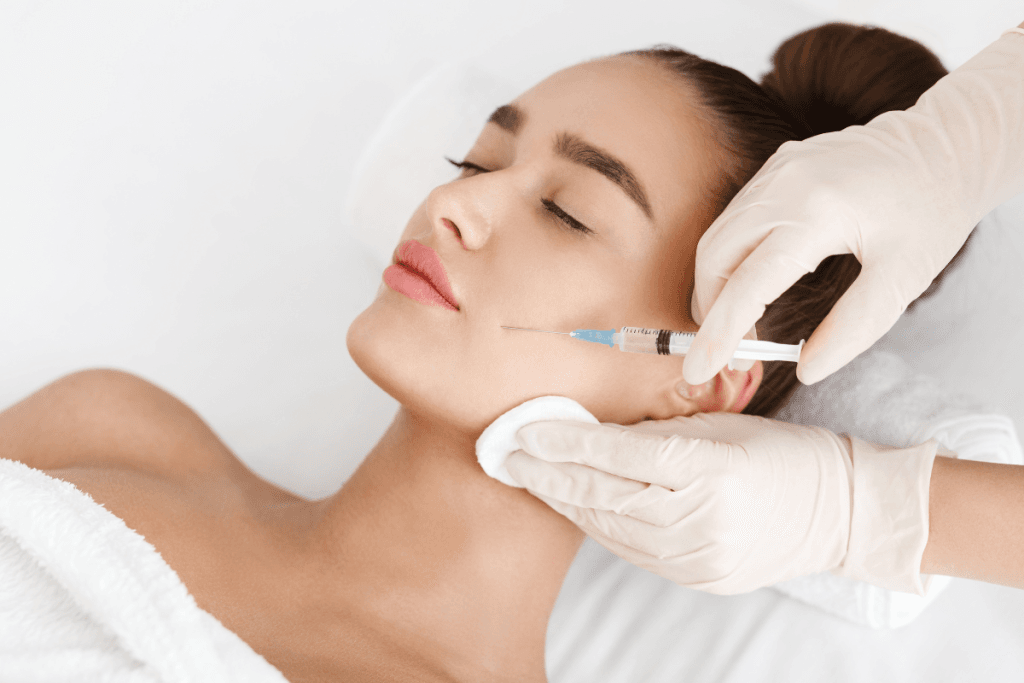
Mesotherapy is typically described as a series of microinjections (very small injections) delivered in the superficial skin layers. Depending on the protocol and anatomy, injections may be intradermal (into the skin) or superficial subcutaneous (just under the skin). The intended effect is usually local, aiming to place ingredients near the target tissue rather than relying on systemic exposure.
Because “mesotherapy” describes a delivery method, two clinics may use the same term but perform very different procedures. Variables include injection depth, spacing patterns, session intervals, and the chosen injectate. This variability complicates interpretation of mesotherapy before and after images, and it can also affect adverse event profiles and patient-reported discomfort.
Common Clinical Use Cases: Face, Scalp, and Body
In aesthetic clinics, mesotherapy is most often discussed for facial skin quality, hydration, and texture. It is also promoted for periocular concerns, dyschromia, and diffuse “glow” outcomes. On the scalp, protocols are marketed for androgenetic alopecia (pattern hair loss) and telogen effluvium (shedding). For the body, it is sometimes positioned for cellulite and localized adiposity, including mesotherapy before and after stomach photo series.
For providers, the practical question is not only “what is mesotherapy for face,” but also whether the proposed endpoint is measurable. Clinics can define endpoints such as hydration appearance, fine-line visibility, or standardized hair parameters. When endpoints are vague, informed consent becomes harder and follow-up discussions can drift into subjective dissatisfaction.
What Is in “Mesotherapy Injections” and Why Standardization Is Hard
Mesotherapy injections may involve vitamins, amino acids, peptides, non-crosslinked hyaluronic acid, or other compounds, depending on formulation. Some clinics use single-ingredient products, while others use compounded “cocktails.” This is where operational risk rises. Ingredient lists, concentrations, compatibility, and sterility assurance can vary widely, especially when compounding is involved.
Note: If a protocol relies on mixed ingredients, treat compatibility and labeling as a first-order safety issue. Clear recording of all components supports adverse-event review and medico-legal defensibility.
In practice, many clinics compare mesotherapy to broader “skin booster” or biorevitalization approaches. If your workflow already includes skin quality injectables, it may be useful to align terminology with your inventory categories. For background on these adjacent modalities, see Skin Boosters Injections for context on how clinics describe hydration-focused injectables.
Safety Profile, Adverse Events, and “Mesotherapy Gone Wrong” Scenarios
Providers often field questions like is mesotherapy safe and is mesotherapy painful. The answer depends on technique, product choice, patient factors, and infection control. Expected short-term effects can include erythema, edema, pinpoint bleeding, bruising, and transient tenderness. These are common across many superficial injection procedures.
More serious outcomes are less common but clinically important. “Mesotherapy gone wrong” reports often involve infection, persistent nodules, inflammatory reactions, pigmentary change, or scarring. Risk increases when products are non-sterile, when mixing is uncontrolled, improper mixing, inadequate aseptic technique, or untrained injectors. As with any injectable, inadvertent intravascular injection (into a blood vessel) is a theoretical risk, and anatomy-aware technique plus emergency readiness remains essential.
From a systems perspective, most preventable complications map to three domains. First is product integrity and traceability. Second is standardized procedural steps, including skin prep and instrument handling. Third is documentation that supports escalation and continuity of care if follow-up occurs with another provider.
Evidence, Outcomes, and the Limits of Before-and-After Interpretation
Search intent terms like mesotherapy benefits and is mesotherapy effective reflect the same operational need: you need defensible claims and realistic endpoints. Across indications, study designs and product definitions vary. Some outcomes are subjective and prone to placebo effects, while others require standardized measurements. This is why marketing-led “before and after” images can mislead, even when taken in good faith.
Clinics can improve interpretability by standardizing photography, lighting, pose, and timepoints. It also helps to record concomitant treatments and skincare changes. If you already have a photography SOP for dermal fillers, you can adapt it for mesotherapy series. A workflow-friendly reference is Before And After Photos to reinforce consistent clinical imaging and charting practices.
Practical Guidance
When teams ask what is mesotherapy in a protocol-building sense, it helps to treat it like a mini service line. Define indications you will offer, specify eligible patient profiles, and standardize products and documentation. Avoid building a protocol around ambiguous “cocktails” unless you can control sourcing, labeling, and sterility to your jurisdiction’s requirements.
Start with a written workflow that clarifies who does what. Include consultation scripting, consent language, pre-procedure screening, and follow-up planning. Consistency reduces variability in outcomes and in adverse events. It also makes staff training faster, especially when you add new injectors or expand to multiple locations.
Clinic Workflow Checklist (Non-Prescriptive)
- Define indication: face, scalp, or body goal and measurable endpoint.
- Confirm scope: align with local regulations and facility policies.
- Screen risks: review skin infection signs, allergy history, anticoagulant use.
- Standardize products: choose single-source items where possible.
- Aseptic setup: skin prep, single-use supplies, sharps handling.
- Record identifiers: product name, lot, expiry, and injection area map.
- Aftercare plan: written instructions and escalation pathway.
Supply choices influence workflow reliability. If you rely on blunt-tip access for superficial placement, align your ordering to your procedural preferences and staff competency. For procurement considerations, Cannulas And Needles outlines practical clinic purchasing factors like sizing variety, packaging, and documentation.
Tip: Build a “mixing prohibition” rule unless a protocol explicitly requires it. That single policy reduces variability and simplifies incident review.
For facial skin quality programs, many clinics also offer biorevitalization or skin booster treatments. If you stock product lines in that lane, it can be helpful to cross-reference how you position each service. For example, Sunekos may be discussed in some practices as part of a skin quality regimen, while still requiring label-based use and clinic-appropriate consent language.
Compare & Related Topics
Patients and staff may compare hair mesotherapy vs prp, or ask whether mesotherapy is “like microneedling.” These comparisons are useful, but only if you clarify mechanism and materials. PRP (platelet-rich plasma) uses an autologous biologic, while mesotherapy typically injects non-autologous ingredients. Microneedling creates controlled microchannels without delivering a defined injectate volume to the same depth profile as injections.
For facial injectables, mesotherapy is also frequently compared with skin boosters and dermal fillers. Fillers are typically used for structural support and volume, while skin boosters focus on hydration and dermal quality. Some clinics keep these categories separate for consent and adverse-event management. If your team wants a structured way to think about hydration-focused injectables, Profhilo Injections provides a modality-specific overview that can help sharpen service descriptions.
For practices building a menu, it helps to map “when to choose which” without overpromising. A simple decision frame is goal clarity, downtime tolerance, and evidence strength for the specific concern. Related reading that supports this planning mindset includes Jalupro Vs Profhilo for an example of how clinics compare skin-quality injectables, and Viscoderm Hydrobooster for another hydration-oriented treatment discussion.
Finally, “mesotherapy for face at home” appears in search, but it should be addressed clinically. At-home injection attempts increase infection and scarring risk, and they undermine traceability. Clinics can reduce harm by setting a clear policy: injections occur only in controlled clinical settings with appropriate documentation and sterilization standards.
Clinic Ordering and Compliance Notes
For licensed practices, ordering policies should support traceability first. Mesotherapy programs often involve repeat sessions and multiple facial or scalp zones. That increases the value of lot tracking, consistent labeling, and predictable resupply. Ordering through verified professional channels also reduces the chance of counterfeit or improperly handled goods entering your injectable workflow.
Ordering is restricted to licensed clinics and qualified healthcare professionals, and facilities should be prepared to provide licensure documentation when requested. If you are organizing inventory by procedure type, the Mesotherapy Product Category can be used as a browsing hub to align ordering with your internal protocol names. For adjacent hydration-focused inventory organization, Skin Boosters Category helps teams standardize how products are grouped for scheduling and chart templates.
MedWholesaleSupplies supplies brand-name products for licensed clinics via vetted distributors, which supports quality controls that matter for injectable procedures. Even with strong sourcing, your clinic still needs internal controls. Keep receiving logs, store products per manufacturer instructions, and document any temperature excursions or packaging damage. Maintain a clear quarantine process for items with uncertain integrity.
From a governance standpoint, treat mesotherapy as part of your injectable compliance umbrella. Align it with your existing policies for consent retention, adverse-event reporting, and supply sourcing. For a clinic-focused overview of sourcing standards that can be applied across injectables, see Wholesale Fillers Sourcing as a policy and procurement cross-reference.
When product examples are discussed in staff training, keep the distinction clear between technique and product labeling. For instance, a kit like Viscoderm Skinko Kit may be considered within a broader skin-quality program in some practices, but use should remain label-informed and documented to your local requirements.
Authoritative Sources
For teams updating protocols, rely on regulator statements, specialty society guidance, and peer-reviewed reviews. The following sources can help frame counseling, consent language, and risk discussions around what is mesotherapy without relying on marketing claims:
- American Society for Dermatologic Surgery (ASDS) overview of mesotherapy for a specialty-society discussion of uses and limitations.
- U.S. FDA resources to support conversations about unapproved injectable claims and product legitimacy.
- PubMed for locating peer-reviewed reviews by indication and ingredient class.
Recap: Mesotherapy is best approached as a technique category with variable products and evidence. Strong clinics reduce risk through standardized sourcing, clear documentation, and consistent patient communication.
This content is for informational purposes only and is not a substitute for professional medical advice.
________________________________________________________________________________________
Medically Reviewed by: Ma Lalaine Cheng.,MD.,MPH