

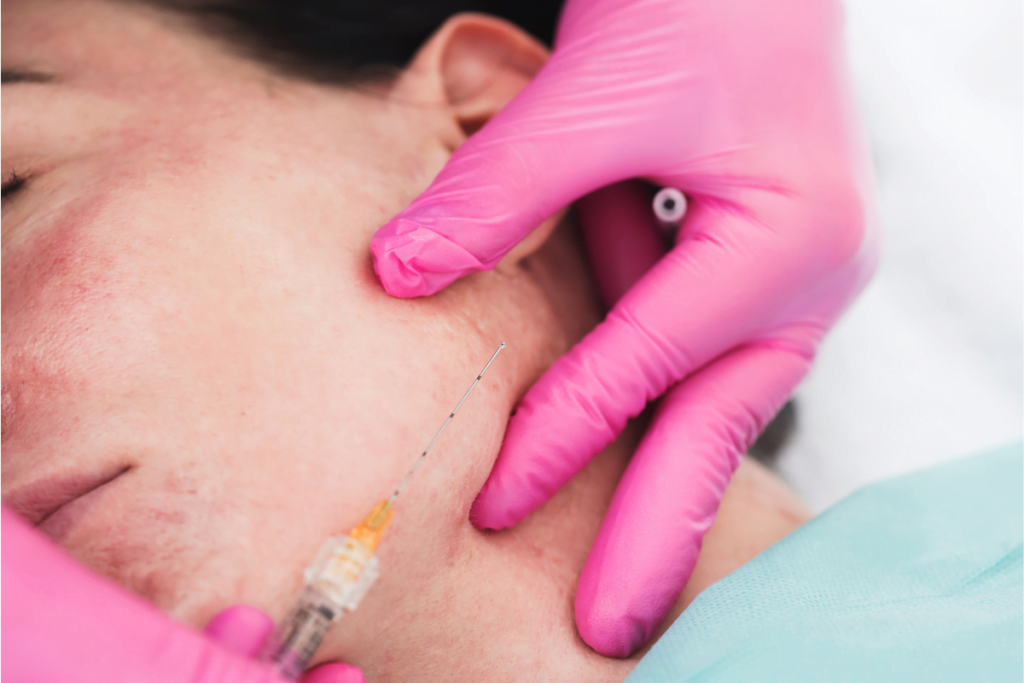
Dermal fillers are injectable medical devices placed in or beneath the skin to add volume, support contours, or soften selected lines and depressions. In clinic workflows, the question what are dermal fillers matters because the answer affects material selection, consent language, photography, risk planning, and procurement records.
This article keeps the focus on licensed clinical settings. It explains common filler classes, how effects are usually framed, where fillers may fit in scar-related care, and why cost discussions should account for more than the syringe itself. It also highlights documentation and sourcing points for teams that purchase and manage injectable products.
For category browsing across available options, use the Dermal Fillers Category as a starting point.
Key Takeaways
- Fillers are injectable devices used for volume, contour, and soft-tissue support.
- Material class affects reversibility, follow-up timing, and risk planning.
- Scar use focuses on support for selected depressions, not scar removal.
- Before-and-after photos need consistent lighting, angle, timing, and consent.
- Procurement records should capture product identity, lot, expiry, storage, and administration details.
What Are Dermal Fillers in Clinical Practice?
Dermal fillers are gel-like or particle-based injectables used to change soft-tissue shape. Many are used on the face, although the specific use, placement plane, and treatment goal depend on product labeling, clinician training, anatomy, and local scope rules.
Clinics often describe fillers in two broad ways. Some act mainly as volumizers, meaning they occupy space and support tissue. Others are discussed as biostimulatory agents, meaning they may encourage collagen-related tissue response over time. This distinction is operationally useful because it affects consultation language, result timing, follow-up cadence, and complication planning.
For a broader orientation to benefits and limitations, see the Dermal Fillers Usage Guide.
Why it matters: A clear definition helps staff avoid overpromising and supports consistent patient counseling.
Material Classes and How Fillers Create Visible Change
The main filler categories differ by base material, tissue behavior, reversibility, and expected follow-up pattern. When clinicians ask about types of fillers, they usually want to know what the material is, how it behaves after placement, and what risk controls the clinic needs.
Hyaluronic acid (HA) fillers are widely discussed as water-binding gels that can provide immediate contour or volume. Non-HA categories may include calcium hydroxylapatite and poly-L-lactic acid. These are often used in conversations about structural support or gradual volume restoration, but product-specific claims should always follow labeling and professional training.
For a focused comparison of material categories, review Hyaluronic Acid vs Non-HA Fillers. Teams building internal education can also use Types of Dermal Fillers for a selection-oriented overview.
Volumizers and biostimulators are not interchangeable terms
A volumizing product is usually assessed by immediate shape, contour, and symmetry. A biostimulatory approach may require a different follow-up schedule because the visible effect can evolve. This does not mean one category is universally better. It means the clinic should align expectations, consent, and review timing with the product class and treatment plan.
Operationally, the distinction also affects inventory. Staff should know which products require specific preparation, storage, or handling steps under the label. The clinic should also define how it records product selection rationale, lot information, and follow-up outcomes.
| Filler category | Common clinic goal | Workflow consideration |
|---|---|---|
| Hyaluronic acid | Volume, contour, selected lines | Document product, lot, site, and photo timing |
| Calcium hydroxylapatite | Structural support or contouring | Confirm training, label use, and escalation pathways |
| Poly-L-lactic acid | Gradual volumization approach | Set follow-up cadence and counseling language |
| Skin-quality injectables | Texture or hydration-focused protocols | Classify correctly in inventory and consent templates |
Product pages can help teams check item naming and presentation during purchasing review. Examples include Juvederm Ultra, Restylane 1 mL with Lidocaine, and Belotero Balance. Keep any comparison grounded in the product information, clinician competence, and your clinic’s adverse-event plan.
Scar Repair Use: Where Fillers May Fit
In scar-focused care, fillers may help selected depressed or volume-deficient areas by supporting tissue beneath the scar. They do not erase scar architecture, correct pigmentation, treat active inflammation, or replace resurfacing when texture is the main concern.
Atrophic acne scars and some post-traumatic contour depressions are common scenarios where clinicians may discuss filler support. The key question is not only whether a scar is visible. It is whether the depression reflects volume loss, tethering, or surface texture. Those mechanisms can point toward different procedural combinations, such as subcision, resurfacing, or injectable support, depending on the clinic’s scope and protocols.
Documentation should be precise. Record the anatomical area, scar morphology, baseline appearance, and high-level treatment rationale. Avoid vague chart terms such as “scar improvement” without context. A clearer note supports continuity when another clinician reviews the case later.
Acne scar assessment needs standardization
Acne scar consultations often involve patient-supplied images. Those images can help describe concerns, but they should not replace standardized baseline photography. Shadows, makeup, hydration, facial expression, and head position can change the perceived depth of scars.
A consistent photo series should capture the same angles, lighting, distance, and expression at each visit. This is especially important when reviewing rolling scars, boxcar scars, and other depressed patterns. If your clinic publishes photos or uses them for internal training, store consent in a retrievable format and document the timepoint after treatment.
When teams revisit what are dermal fillers in the scar context, use mechanism-based language. Fillers can support contour in selected cases. They cannot correct every feature that makes a scar noticeable.
Effects, Longevity, and Common Risk Questions
The effects of dermal fillers depend on material class, injection site, depth, patient factors, and the intended endpoint. Some visible change may appear immediately with certain fillers, while other approaches are evaluated over a longer follow-up period. Clinics should define what “result” means in their notes: volume, contour, texture appearance, patient satisfaction, or return toward baseline.
Longevity is also variable. The common question “how long do dermal fillers last” does not have one clinic-safe answer. Duration can differ by product, area treated, amount placed, metabolic factors, and movement in the anatomical region. A conservative consultation template should avoid guaranteed timelines and should explain that maintenance planning varies.
Risk questions deserve direct, non-dismissive answers. Patients may ask whether fillers can “ruin” the face, whether the procedure hurts, or whether fillers are better than botulinum toxin. These questions reflect different concerns. Fillers add or support volume; neuromodulators affect muscle activity. Neither category replaces the other, and the appropriate option depends on the clinical goal.
Common downside discussions include swelling, bruising, lumps, asymmetry, overcorrection, migration concerns, infection, inflammatory reactions, and rare vascular complications. Clinics should have written escalation steps for urgent symptoms and a clear referral pathway when management falls outside their scope. For context on reversal and management conversations, see Dermal Filler Removal Options.
Quick tip: Keep a standard risk-language template, then tailor it by product and treatment area.
Before-and-After Photos and Expectation Setting
Before-and-after photos can support education, but they can also mislead if they are not standardized. This is especially true for scar work, where lighting and shadows strongly influence how deep a depression appears.
Clinics should control the basics: camera distance, lighting, background, facial expression, makeup status, and timing after treatment. The same standards should apply to internal case review and public-facing examples. If the patient had other procedures, active acne treatment, resurfacing, or skincare changes between images, those details should be documented.
Expectation setting should separate visible softening from scar removal. Patients may use terms such as “scar repair” or “scar reduction,” but charting should stay more specific. For example, describe the goal as contour support for a depressed area, rather than implying complete correction. This protects the patient relationship and improves audit quality.
Cost Drivers and Procurement Planning
Dermal filler cost discussions should focus on the resources required to provide care safely, not only on the amount in a syringe. Product acquisition is one input, but it is not the full cost of a visit.
Clinic-level cost drivers may include consultation time, clinician training, sterile supplies, photography, room time, follow-up capacity, inventory management, complication readiness, and administrative documentation. Scar-focused visits may require longer assessment and more nuanced photo review than routine contouring appointments.
For procurement teams, what are dermal fillers also becomes an inventory question. Which categories match documented demand? Which products require specific training or handling? How will the clinic rotate stock and manage expiry risk? How will lot and administration records be retrieved during a quality review?
MedWholesaleSupplies serves licensed clinics and healthcare professionals through a B2B model, with brand-name products sourced through vetted distributor and supply channels. That context is relevant when clinics compare suppliers, verify access requirements, and document purchasing pathways.
For wider category education, the Dermal Fillers Articles collection can support staff refreshers and internal policy review.
Clinic Workflow and Documentation Checklist
A strong filler workflow connects clinical judgment with reliable records. Policies vary by jurisdiction and practice setting, so each clinic should adapt documentation to local requirements, professional standards, and product labeling.
Use a simple checklist to keep procurement, receiving, storage, administration, and follow-up aligned:
- Licensure verified: confirm purchasing authority and role access.
- Product reviewed: check label, expiry, presentation, and intended use.
- Supplier recorded: document the source and internal verification steps.
- Storage logged: follow label requirements and clinic SOPs.
- Consent retained: include material-specific risks and photo permissions.
- Administration charted: record product, lot, site, and relevant notes.
- Follow-up planned: schedule review and standardized photo capture.
This workflow is not a substitute for clinical protocols. It is a record-quality framework that helps reduce omissions. It also supports staff transitions, case review, and adverse-event traceability.
Authoritative Sources
Use official and major medical sources to confirm definitions, safety communications, and patient-facing counseling language. Product labeling and regulator updates should guide internal SOPs.
- Regulator safety overview: FDA Dermal Filler Dos and Don’ts
- Clinical society context: American Society of Plastic Surgeons on Dermal Fillers
- Academic medical center overview: Johns Hopkins Medicine Dermal Fillers
Recap for Clinic Teams
Dermal fillers are injectable devices used to support volume, contour, and selected soft-tissue depressions. In scar workflows, they may help chosen depressed areas, but they do not remove scars or replace resurfacing when surface texture is the main issue.
For licensed teams, the practical answer to what are dermal fillers should include material class, risk planning, photo standards, cost drivers, and documentation quality. Clear records make the workflow safer, more consistent, and easier to review.
This content is for informational purposes only and is not a substitute for professional medical advice.




