
Key Takeaways
- Set expectations: align “before and after” language with realistic, variable outcomes.
- Screen carefully: review contraindications, barrier status, and pigment risk.
- Follow IFU: use manufacturer training, sequencing, and contact-time guidance.
- Document consistently: baseline photos, consent, and adverse-event plans support safety.
- Source responsibly: verify supply channels and keep lot-level traceability.
Overview
Clinics often consider the prx-t33 peel when they want a controlled chemical exfoliation (skin-resurfacing) option with a clinic-supervised workflow. This article reviews how to describe the treatment accurately, how to screen candidates, and how to standardize counseling and documentation. It is written for licensed teams who already run aesthetic procedures under medical oversight.
Why this matters: peel outcomes can be strongly influenced by skin barrier status, concurrent actives, and patient behaviors you cannot fully control. A structured approach helps reduce avoidable irritation and inconsistent results. MedWholesaleSupplies serves licensed clinics and healthcare professionals with brand-name medical products intended for in-practice use.
Prx-T33 Peel Clinical Workflow: What to Standardize
A consistent workflow starts with terminology. Patients may call this a “no-peel peel,” yet it is still a chemical treatment that can irritate skin. Align your intake forms, consent language, and aftercare handouts with what the product is designed to do and what it may not do. This helps prevent misunderstandings driven by social media “PRX-T33 before and after” galleries.
Standardization also supports team-based delivery. When assistants, nurses, and providers use the same intake questions and stop-rules, you reduce variation between rooms and between days. Maintain a written escalation path for unexpected erythema, swelling, or suspected contact dermatitis (skin inflammation from irritation or allergy). Keep the protocol tied to the manufacturer’s instructions for use (IFU) and any prx-t33 peel training requirements in your jurisdiction.
Core Concepts
Formulation Logic and Mechanism of Action
PRX-type systems are commonly discussed in terms of ingredient synergy rather than “depth” alone. When you explain the prx-t33 mechanism of action, keep it simple and label-aligned: the formulation includes trichloroacetic acid (TCA, a chemical exfoliant) in combination with other components designed to modify the skin response. The intended effect is controlled keratolysis (breakdown of surface keratin) and visible brightening in some patients, without the same pattern of visible sheet peeling expected from some traditional TCA approaches.
Operationally, that difference changes what you monitor. Instead of waiting for obvious peeling as a “success” marker, your team watches for intolerance signs: escalating stinging, persistent erythema, or barrier disruption. This is also where patient communication matters. If a patient expects dramatic desquamation because they saw online photos, they may overuse exfoliants afterward to “make it work,” increasing risk of irritation and post-inflammatory hyperpigmentation (PIH, dark marks after irritation).
Indications and “Before and After” Claims: How to Stay Precise
Marketing language often blends texture, tone, and “glow” into one promise. In clinic documentation, separate concerns into trackable endpoints: dyschromia (uneven pigment), fine rhytids (fine lines), and atrophic acne scarring (depressed scars). When patients ask about prx-t33 results for acne scars, hyperpigmentation, melasma, wrinkles, or stretch marks, your safest approach is to frame outcomes as variable and dependent on diagnosis, skin type, and combined regimen choices.
Photographic practice should match that precision. Standardize camera distance, lighting, and expression, and record concurrent interventions like neuromodulators, energy devices, or topical retinoids. Consider adding quick links in your internal playbook to broader regimen context, such as Anti Aging Treatments for a neutral overview of multi-modal planning.
Candidate Selection, Contraindications, and Special Populations
Most preventable complications begin with selection. A prx-t33 contraindications checklist typically includes recent barrier injury, active dermatitis, uncontrolled inflammatory acne, or recent sunburn. Also screen for recent procedures that increase sensitivity, including other peels, aggressive waxing, or ablative resurfacing. Where pigment risk is higher, counsel on PIH risk and ensure the patient can follow a conservative post-procedure routine.
Special populations require added caution. Patients may ask if prx-t33 pregnancy safe; unless the product labeling and your medical director’s policy are explicit, avoid reassurance language. Instead, document shared decision-making and defer to the IFU and obstetric guidance when relevant. For periorbital area (around the eyes) questions, including “prx-t33 before and after eyes,” emphasize anatomy-specific risk, product labeling limits, and provider experience, rather than anecdotal outcomes.
Expected Reactions, Side Effects, and Downtime Counseling
When staff discuss prx-t33 side effects, keep the list practical: transient erythema, burning or stinging, tightness, dryness, and irritation are commonly reported with many chemical exfoliation systems. Patients may also experience localized flaking, especially if they continue active skincare too soon. Rare events can include significant dermatitis or pigment change, and these should have a documented response pathway.
Downtime should be framed as functional impact rather than a promised timeline. With prx-t33 downtime questions, explain that visible peeling is not a reliable marker, and social downtime varies by baseline sensitivity, skincare, and sun exposure. What to do next: provide a written “hold list” of potential irritants (retinoids, acids, scrubs) and define when the clinic wants to hear from the patient.
Practical Guidance
Use the prx-t33 peel as a clinic procedure with clear boundaries. That starts with intake. Record Fitzpatrick type, history of PIH, recent isotretinoin exposure if applicable, and current topical actives. Ask about occupational sun exposure and adherence capacity. Then match goals to a realistic plan, including whether the patient needs pigment control, acne control, or barrier repair first.
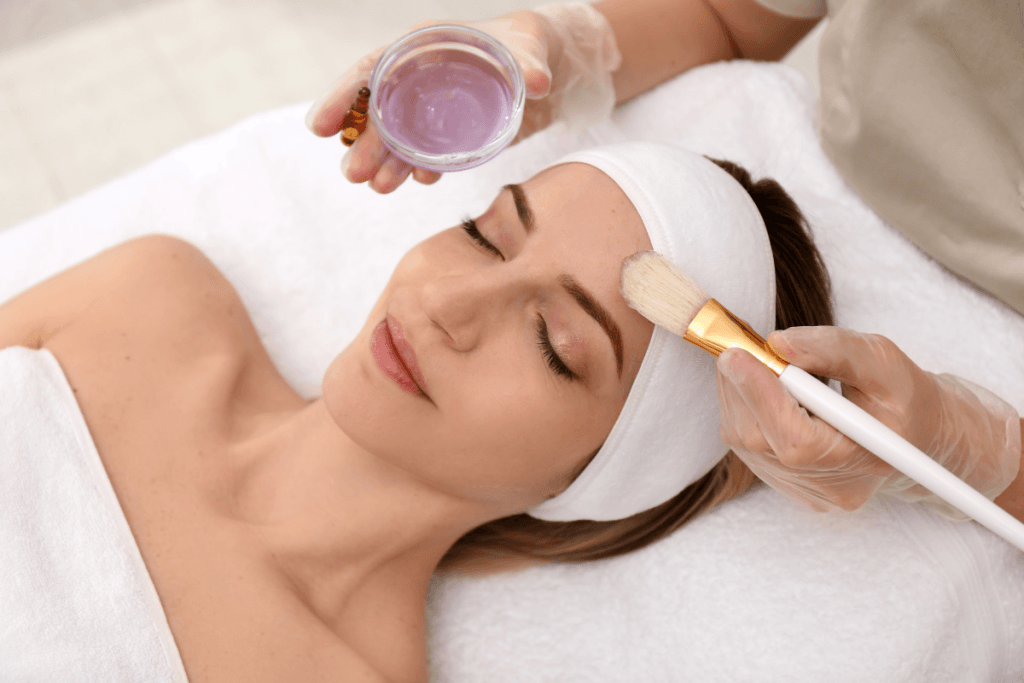
Procedure-day steps should follow your medical director’s standing orders and the manufacturer IFU. Many clinics use a standardized sequence: cleanse, degrease if specified, apply per protocol, monitor sensation and erythema, and stop if intolerance develops. Build in “pause points” where a supervising provider confirms eligibility for proceeding. Document product identifiers, including lot number and expiration date, in the chart.
Note: Patients will ask about prx-t33 at home and “prx t33 peel at home.” For safety and liability, keep messaging consistent: chemical peel products and techniques should be used only under trained clinical supervision, with appropriate screening and emergency readiness.
Combination planning needs extra restraint. If a patient asks about prx-t33 peel with microneedling, treat that as a protocol-level decision, not an ad hoc add-on. Combination procedures can change penetration and irritation patterns, so require explicit approval, consent language, and staff training. For broader context on injectable adjuncts that patients may schedule near peel visits, you can cross-reference internal education pieces like Skin Boosters Injections as background for sequencing discussions.
Aftercare should be operationalized. Create a one-page prx-t33 aftercare handout that specifies what to avoid, what to use, and what symptoms trigger a call. Avoid vague phrases like “be gentle,” and instead list categories of products to pause and the clinic’s follow-up cadence. If your clinic supports barrier care with in-practice products, keep examples educational rather than promotional, and link staff to a neutral browse hub such as Peels And Masks for ingredient class comparisons.
Compare & Related Topics
Patients often arrive with comparison language from social platforms. “prx peel vs vi peel” is a common prompt, but the clinically useful comparison is not brand-to-brand marketing. Instead, compare mechanism categories and expected reaction patterns: depth of exfoliation, likelihood of visible desquamation, and pigment-risk management. Reinforce that outcomes depend on diagnosis, skin type, home regimen, and whether other procedures are layered.
Similar logic applies to “prx-derm perfexion vs tca peel.” Traditional TCA peels are typically discussed by concentration and depth, while combination systems may be described by protocol steps and expected tolerability. If your clinic offers multiple approaches, create a one-page decision aid that lists contraindications, visit frequency planning (patients often ask prx-t33 how often), and what “success” looks like for each concern. For additional reading on PRX positioning in non-surgical aesthetics, see Prx T33 Treatment for a related overview, and consider contrast reading on other peel categories like Biorepeelcl3 to support staff education.
Clinic Ordering and Compliance Notes
For the prx-t33 peel, treat procurement as part of clinical governance. Ordering should be restricted to licensed clinics and credentialed healthcare professionals, with documentation that supports scope of practice and medical oversight. Maintain receiving logs, store products per manufacturer requirements, and ensure staff can access the IFU at point of care. If your jurisdiction expects proof of training, file certificates alongside your standing orders.
Quality and traceability reduce risk when patients report delayed irritation or unexpected reactions. Use lot-level charting and keep a consistent adverse-event documentation template. MedWholesaleSupplies supplies brand-name medical products sourced through vetted distributors and verified channels, which helps clinics maintain consistent sourcing standards. If your staff need adjacent product education for peri-procedural skin support, keep internal references tight and clinical, such as a brand overview link to Prx T33 Wiqo for identification, and a category hub like Clinical Skincare for broader regimen context.
Authoritative Sources
When building policies, prioritize references that describe chemical peel safety, complications, and contraindications in a label-neutral way. This helps you standardize counseling even when patients bring in screenshots from prx-t33 reviews reddit threads or influencer videos.
- NCBI Bookshelf: Chemical Peels (overview of peel types, complications, and risk factors).
- American Academy of Dermatology: Chemical Peels (plain-language counseling points that can inform handouts).
Recap: align terminology with the IFU, screen for barrier and pigment risk, and document product traceability. Use consistent counseling for side effects, downtime, and combination-procedure decisions. If you need to reference adjacent in-practice modalities for sequencing conversations, internal primers like Profhilo Injections can support staff training without overpromising outcomes.
This content is for informational purposes only and is not a substitute for professional medical advice.