
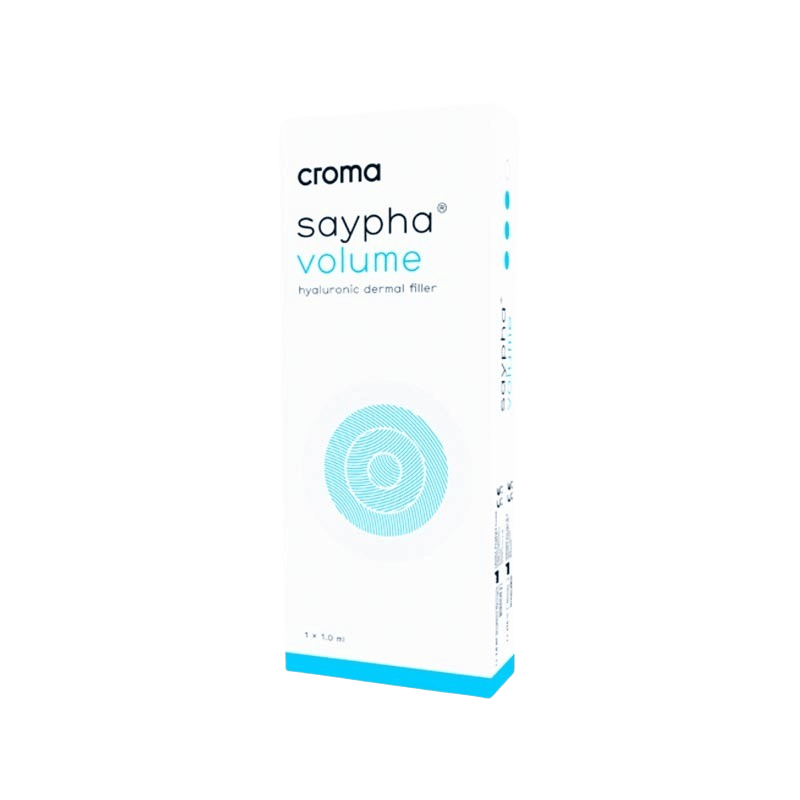
Description
Saypha® Volume is a cross-linked hyaluronic acid dermal filler for professional injection in aesthetic clinics. Licensed clinics and healthcare professionals can order Saypha Volume 1ml in a 1x1ml configuration with 2 x 27G needles for treatment-room use. The 23 mg/mL hyaluronic acid gel is selected for structured facial volumization and contour refinement within established clinical protocols.
Med Wholesale Supplies serves licensed clinics, med spas, and healthcare professionals that need authentic brand-name medical products sourced through vetted distributor channels. This product is intended for trained injectors using appropriate aseptic technique, facial anatomy assessment, and post-procedure observation. US distribution and reliable US logistics help teams plan purchasing around appointment volume and inventory rotation.
Clinic Ordering, Pack Details, and Price Access
Clinics can buy Saypha® Volume after account access is established for professional-use ordering. Sign in to view current Saypha Volume price information, available volume tiers, and purchasing terms for your facility. Pricing can vary by account structure, quantity, and current supply, so the most accurate cost is shown during ordering.
The supplied presentation is straightforward for tray preparation. Each pack contains Saypha Volume 1x1ml and includes 2 x 27G needles. The gel concentration is cross-linked hyaluronic acid 23 mg/mL. This single-syringe format supports common aesthetic workflows where providers allocate one unit to a defined treatment plan, staged correction, or inventory-controlled appointment block.
| Product | Saypha® Volume |
|---|---|
| Professional category | Cross-linked hyaluronic acid dermal filler |
| Configuration | 1 x 1 mL |
| Included accessories | 2 x 27G needles |
| HA concentration | 23 mg/mL |
| Use setting | Licensed clinic or healthcare professional administration |
Quick tip: Align purchasing quantities with injector schedules, expiry checks, and the number of planned volumization appointments.
What Saypha® Volume Is and How It Works
Saypha® Volume is part of the Croma Saypha filler portfolio. It uses cross-linked hyaluronic acid, a water-binding substance used in soft-tissue filler devices, to create a cohesive, viscoelastic gel. In practice, the gel is placed by a licensed professional to support volume restoration and facial contour definition in appropriate tissue planes.
Cross-linking helps the hyaluronic acid gel maintain structure after placement while remaining moldable during shaping. This handling profile is important for injectors working in deeper volumizing areas, where lift, contour control, and controlled extrusion affect procedural consistency. Final technique, injection plane, device choice, and product quantity remain clinical decisions based on anatomy, treatment goals, and provider training.
Clinics evaluating the broader brand family can review the Saypha range to align gel behavior, lidocaine preference, and treatment mix across providers. The portfolio approach helps practices keep similar product documentation, staff familiarity, and treatment-room preparation steps across related dermal filler procedures.
Professional Applications and Treatment-Room Fit
Clinics use this preparation for deep volumizing indications selected by the injector, including midface support, cheek projection, chin refinement, jawline definition, and other contour-focused corrections. It may also be considered for deep wrinkles, folds, and cutaneous depressions when the provider determines that the product, plane, and technique fit the treatment area.
The included 27G needles can simplify setup for practices that standardize tray preparation by product. Some teams may use an approved cannula when their protocol, anatomy assessment, and training support that approach. Device choice should match the treatment area, vascular-risk assessment, and clinic policy.
Workflow planning often includes intake documentation, informed consent, photography standards, skin cleansing, aseptic preparation, and post-procedure observation. Clinics may also coordinate topical anesthetics, cooling, vibration devices, or other comfort measures according to local protocol. For broader product selection and practice education, see Saypha fillers for aesthetic clinics.
Handling Characteristics and Key Features
Many injectors value a dermal filler by how it behaves during preparation, extrusion, placement, and contouring. Saypha® Volume is designed as a sterile, single-use hyaluronic acid gel implant for professional administration. Its cohesive gel behavior supports deliberate shaping in volume-focused areas, while the one-milliliter presentation keeps tray setup simple.
- Cross-linked hyaluronic acid gel for deep volumizing work
- 23 mg/mL HA concentration
- 1 x 1 mL unit for controlled stock allocation
- 2 x 27G needles included in the pack
- Sterile, single-use presentation
- Cohesive, viscoelastic handling for contour work
- Compatible with established aesthetic documentation workflows
These features do not replace injector training or individualized assessment. They help clinics plan procurement, assign stock to appropriate procedures, and maintain consistent preparation steps across providers.
Composition, Ingredients, and Mechanism
The active gel component is cross-linked hyaluronic acid at 23 mg/mL. Hyaluronic acid binds water and contributes to soft-tissue structure after professional placement. The cross-linked network gives the gel durability and shape retention compared with non-cross-linked HA preparations used for different aesthetic purposes.
Excipients are not detailed in this copy. Clinics should consult the manufacturer’s package insert for the full qualitative composition, contraindications, precautions, storage requirements, and any lot-specific labeling. Staff should record lot number and expiry in accordance with clinic documentation standards.
For teams comparing filler categories and rheology concepts, dermal filler types for facial volume rejuvenation can support staff education without replacing manufacturer documentation or hands-on training.
Safety, Precautions, and Professional Administration
Dermal fillers should be injected only by appropriately trained healthcare professionals who understand facial anatomy, injection planes, aseptic technique, and complication management. The FDA notes that dermal fillers are medical devices used to add volume or fullness and that complications can occur, including swelling, bruising, infection, vascular occlusion, and other serious events. Clinics should maintain protocols for patient selection, emergency response, and post-treatment instructions.
Expected local reactions after HA filler placement can include mild irritation, swelling, redness, tenderness, or bruising at the injection site. These effects are often transient, but clinics should advise individuals on routine aftercare and escalation signs. Providers should avoid treatment when contraindications apply and should follow the manufacturer’s instructions for use, including any guidance about infection, hypersensitivity, active skin disease, or other risk factors.
Assessment should include medical history, prior filler or implant history, medications that may affect bruising risk, allergy history, and the planned treatment area. Documentation should capture product name, quantity used, lot number, expiry, injection sites, technique, needle or cannula details, and post-care guidance. For outcome documentation practices, see dermal filler before-and-after assessment.
Storage, Receiving, and Inventory Control
Follow the manufacturer’s labeling for storage, handling, and expiry control. Staff should inspect packaging on receipt, quarantine any unit with compromised packaging, and rotate inventory by expiry date. The sterile single-use presentation should remain unopened until procedure setup according to clinic policy.
For larger practices, assign filler inventory by location, injector, or treatment category to reduce tray errors and stock discrepancies. Multi-site teams can coordinate purchasing ahead of seasonal demand or scheduled treatment events. Orders use temperature-controlled handling when required and tracked US delivery.
Why it matters: Lot traceability supports recall readiness, clinical documentation, and consistent inventory audits.
How It Compares Within the Saypha Portfolio
The right Saypha product depends on the treatment area, target depth, injector preference, and whether an anesthetic-containing formula fits the protocol. Saypha® Volume is the non-lidocaine volume-focused option described here. Clinics that prefer an integrated anesthetic presentation can evaluate Saypha Volume with Lidocaine for comfort-focused workflows.
Practices seeking a higher-lift or alternate volumizing profile within the same family may consider Saypha Volume Plus with Lidocaine. For softer correction needs, portfolio planning may include Saypha Filler or Saypha Filler with Lidocaine, depending on technique and treatment area.
Searches sometimes group Saypha lip filler, volume filler, and skin-quality products together, but clinics should separate them by indication and gel behavior. Saypha Rich may fit different aesthetic protocols than a structural volumizer. Keep product selection tied to anatomy, tissue characteristics, desired correction, and manufacturer guidance.
Clinic Workflow and Procurement Planning
Standardizing dermal filler purchasing helps reduce variation across injectors and treatment rooms. A clinic may keep Saypha® Volume for structural contour appointments, a lidocaine option for comfort-oriented workflows, and softer HA fillers for superficial or moderate correction when clinically appropriate. That portfolio structure supports clearer training, documentation, and stock forecasting.
When estimating monthly demand, consider historical appointment volume, average units used per appointment, staged treatment plans, staff training dates, and expiry rotation. Avoid overstocking beyond expected usage, but maintain enough inventory to prevent last-minute substitutions. If the exact unit is constrained, a clinically appropriate related product should be chosen only after the injector confirms fit for the procedure.
For broader procurement context, wholesale dermal fillers for aesthetic practices discusses how clinics can organize product selection, sourcing, and treatment-room readiness. Clinics planning multimodal contouring can also review facial volume restoration treatments for procedure-category context.
Authoritative Sources
- FDA: Dermal Filler Soft Tissue Filler Devices
- MedlinePlus: Hyaluronic Acid Information
- Croma: Saypha HA Filler Information
Ready to allocate inventory for your schedule? Sign in to order Saypha® Volume, view current clinic pricing, and coordinate purchasing for licensed professional use.
This content is for informational purposes only and is not a substitute for professional medical advice.
Frequently Asked Questions
What is Saypha® Volume used for in clinics?
Saypha® Volume is a cross-linked hyaluronic acid dermal filler used by trained professionals for volume restoration and contour-focused aesthetic work. Common clinic applications include midface support, cheek projection, chin refinement, jawline definition, deep wrinkles, folds, and other indications selected by the injector.
What comes in the Saypha® Volume pack?
The supplied configuration is Saypha Volume 1x1ml. Each unit includes 2 x 27G needles and contains cross-linked hyaluronic acid at 23 mg/mL. Clinics should confirm lot number, expiry, and storage instructions on the manufacturer labeling when receiving stock.
Does Saypha® Volume contain lidocaine?
This Saypha® Volume presentation is described as the volume filler without lidocaine. Clinics that prefer an integrated anesthetic option can evaluate Saypha Volume with Lidocaine or Saypha Volume Plus with Lidocaine when those products fit their protocol and treatment area.
Who should administer Saypha® Volume?
Saypha® Volume should be administered by licensed, trained healthcare professionals who understand facial anatomy, injection technique, aseptic preparation, and complication management. Product choice, injection plane, device selection, and quantity should be determined by the treating professional.
How should clinics plan inventory for Saypha® Volume?
Plan inventory around appointment volume, average units used per procedure, expiry rotation, and provider preferences. Keep lot and expiry documentation for each treatment, inspect packaging on receipt, and follow the manufacturer’s storage and handling instructions.
Specifications
- Main Ingredient: Hyaluronic Acid
- Manufacturer: Croma Pharma
- Drug Class: Aesthetic Surgery Product
- Generic Name: Cross-Linked Hyaluronic Acid
- Package Contents: 1 mL x 1 Pre-Filled Syringe
- Storage Requirements: Room Temperature (2℃~25℃)
- Main Usage: Volume Filler
About the Brand
Saypha
Saypha has made a dependable name for itself in medical aesthetics, providing a broad spectrum of superior-quality dermal fillers for enhancing physical appearance. Enjoying decades of industry dominance, Saypha has positioned itself as the go-to brand for healthcare professionals aiming to augment their patients’ allure. Saypha is synonymous with products that are not only superior in quality but also guarantee enduring results, facilitating the attainment of a younger, refreshed look. At Med Wholesale Supplies, we appreciate the importance of availing top-notch products to our clientele. Thus, we delightfully present Saypha’s range of dermal fillers through our online exchange. By choosing Med Wholesale Supplies as your provider, you acquire authentic, trustworthy merchandise directly from the original manufacturer. Our platform not only assures reasonable rates but also streamlined shipping mechanisms, thereby simplifying access for healthcare professionals to the necessary resources for delivering excellent patient care. Selecting dermal fillers for your practice calls for choosing a brand that exudes trust. Saypha, due to its consistent performance and efficacy, emerges as an excellent choice for healthcare specialists aspiring to boost their patients’ appeal. Your acquisition of Saypha products from Med Wholesale Supplies guarantees peace of mind derived from the knowledge of sourcing superior-quality products straight from the manufacturing center. Opt for Saypha and make your purchases from Med Wholesale Supplies, for the sake of your patients' well-being. Don't compromise on quality - make the wise choice today.
Browse Saypha Products
Here to help
Questions about ordering, delivery or products? You can email our team here or call now at 1-800-630-9757 and be connected with your dedicated Account Manager
Related Products
Evenity® (English Alternative)
Injectable Medication
$1,229.00 - $1,299.00
You save
You save
Intraline® For Men
Dermal Filler
$59.00 - $79.00
You save
You save
RejuvaNAD+ Pro
Injectable Medication
$237.00 - $249.00
You save
You save
Teosyal® RHA 4
Aesthetic Surgery Product
$259.00 - $279.00
You save
You save
Related Articles
Prednisone in Clinical Care: Uses, Risks, and Monitoring
Prednisone is a prescription systemic corticosteroid used to reduce inflammation or suppress immune activity in…
Lip Fillers Swelling Stages: Timeline, Safety, and Follow-Up
Lip fillers swelling stages usually follow a short inflammatory course: swelling appears soon after injection,…
Hypopigmentation of the Skin: Assessment and Care
Hypopigmentation of the skin means one or more areas look lighter than the surrounding skin.…
Radiesse vs Sculptra: Selection Factors for Clinics
Radiesse vs Sculptra is best understood as a comparison between two collagen-stimulating injectables with different…
Hyaluronic Acid Under-Eye Filler: Safety and Workflow
Hyaluronic acid under-eye filler is an injectable soft-tissue filler used by trained aesthetic clinicians to…
Dermal Filler Types: Materials, Uses, and Clinic Fit
Dermal filler types are usually grouped by their base material, tissue behavior, and expected role…
What Is Dysport? Clinical Uses, Safety, and Workflow
For clinic teams asking what is Dysport, the short answer is simple: Dysport is a…
Biostimulators in Aesthetic Care: Selection and Safety
Biostimulators are injectable aesthetic products used to encourage a controlled tissue response, often involving new…