
Lip Fillers Swelling Stages: Timeline, Safety, and Follow-Up
Lip fillers swelling stages usually follow a short inflammatory course: swelling appears soon after injection, often peaks during the first 24 to…


Hugel Inc.
Hyaluronic Acid Gel With Lidocaine
Free shipping on orders over $800
5% off your first order, applied at checkout
Order as a guest or log in. Your medical licence details are collected at checkout and checked against the state board and the NPI registry.
Enter your own figures: the syringes you use per treatment and what you charge per treatment. The table shows your product cost and margin per treatment at each quantity price. It does not suggest doses, prices or treatments.
| Quantity | Price per pack | Cost per unit | Cost per treatment | Margin per treatment |
|---|
Uses today's prices for the selected option before shipping and any other costs. Your figures stay in your browser.
Ships within 24–48 hours
Delivery typically 48–72 hours after shipping, up to 5–7 business days depending on origin and customs. Tracking is emailed when your order ships.
Warm or damaged on arrival?
Send us photos or a video. We investigate and arrange a replacement where needed.
Licence checks
Licences are checked against the state board and the NPI registry.
100% genuine products
In original manufacturer packaging, with lot numbers for full traceability. Lot numbers are shown on your packing slip and invoice.
250 active clinics · Supplying clinics since 2013
“Everything has been easy from ordering to delivery. The prices are good, orders arrive quickly, and the customer service has been great. I would definitely order from MWS again.”
Dermalax™ Implant Plus w/Lidocaine is an injectable hyaluronic acid dermal filler with integrated lidocaine for professional aesthetic use. Licensed clinics, med spas, and healthcare professionals can order it for treatment-room workflows that require sterile handling, controlled placement, traceable stock, and consistent documentation.
This HA gel is used by trained injectors for facial contouring and volume refinement within clinic protocols. The lidocaine component supports patient comfort during injection, while the cohesive gel profile helps clinicians plan controlled placement using the technique, plane, and anatomical approach appropriate to the case.
Current prices and quantity breaks are shown on this page, and licensed clinics can order as a guest or with an account.
For multi-room or multi-site practices, Dermalax™ Implant Plus wholesale purchasing can support inventory planning across scheduled injectable days. Centralized ordering helps purchasing teams align stock with provider calendars, expected treatment volume, and preferred alternative fillers already approved in the clinic formulary.
SKU 89630 is used for this item in procurement and receiving workflows. On receipt, staff should match the ordered item to the invoice, inspect outer packaging, document lot and expiration details, and rotate inventory according to clinic policy. Med Wholesale Supplies serves licensed clinics and healthcare professionals with brand-name medical products sourced through vetted distributors and verified supply channels.
Quick tip: Add lot, expiration, injector assignment, and intended treatment date to your internal receiving log before the product moves to the treatment room.
Dermalax™ Implant Plus w/Lidocaine is a non-animal sourced hyaluronic acid gel formulated for injection by qualified healthcare professionals. Hyaluronic acid is a naturally occurring substance used in soft-tissue fillers because it can bind water and provide temporary structural support in targeted tissue planes.
The product is designed for aesthetic contouring and volume-related applications selected by a trained injector. As with other dermal fillers, the final treatment plan depends on patient assessment, anatomy, skin quality, injection depth, product behavior, and clinic safety protocols. Broader HA filler planning can be supported through the dermal fillers category, where clinics can review related professional-use products.
Lidocaine is included in the gel to reduce injection-site discomfort during placement. It does not remove the need for clinical judgment around topical anesthetic, nerve blocks, aspiration practices, cannula or needle selection, emergency readiness, or post-procedure observation.
Clinics stock this filler for facial contouring, volume refinement, and static crease improvement in appropriately selected candidates. Common professional-use planning may include midface support, chin contouring, jawline shaping, and other areas where the injector determines that a cohesive HA gel is suitable.
The product can fit into workflows that rely on standardized photography, facial mapping, consent documentation, and staged treatment plans. Teams may use it as part of a broader injectable portfolio, pairing higher-support gels with finer refiners when the treatment area and tissue plane call for different handling characteristics.
Dermalax™ Implant Plus with Lidocaine filler should be administered only by trained professionals familiar with facial anatomy and filler complication management. For practical brand context and product-family planning, clinics can use the Dermalax brand section to review adjacent Dermalax products available through the same professional purchasing environment.
These features matter operationally because injectable appointments often depend on predictable setup, provider familiarity, and clear product differentiation. A filler with lidocaine can reduce the need for some separate comfort steps, although clinic anesthesia choices remain protocol-driven.
The formulation contains hyaluronic acid gel and lidocaine. The HA component acts as a temporary space-occupying scaffold after injection, while lidocaine provides local anesthetic support at the treatment site. The gel is biodegradable, and duration varies with area treated, technique, patient metabolism, volume placed, and follow-up care.
Clinicians should rely on the manufacturer package insert for complete composition, contraindications, warnings, injection recommendations, and compatible accessories. The Dermalax™ Implant Plus syringe with Lidocaine should be prepared using aseptic technique, with needles or cannulas selected according to provider training and the chosen tissue plane.
Because filler behavior can vary by cohesivity, elasticity, extrusion force, and integration pattern, clinics should avoid using brand names alone as a treatment protocol. Product selection should be linked to anatomical goals, tissue quality, risk zones, injector skill, and the clinic’s emergency response process.
Dermal filler injections can cause expected local reactions such as swelling, redness, tenderness, bruising, firmness, itching, or temporary discomfort. More serious complications can occur, including infection, nodules, inflammatory reactions, vascular compromise, tissue injury, and rare vision-related events when filler enters or compresses blood vessels.
Clinics should screen candidates for relevant contraindications and risk factors before treatment. Assessment commonly includes allergy history, prior filler or implant history, active skin infection or inflammation near the treatment area, bleeding risk, medication history, immune status, pregnancy or breastfeeding considerations, and history of severe hypersensitivity reactions.
Professional protocols should include sterile field preparation, anatomical risk review, conservative placement in high-risk zones, post-injection assessment, documentation of product lot and treatment site, and a pathway for urgent complication management. Staff should know when to escalate symptoms such as blanching, severe pain, mottling, visual disturbance, or signs of infection.
For staff training and internal SOP development, the article on key protocols for dermal filler injections offers additional clinic-focused safety considerations. It should complement, not replace, the product insert and the injector’s professional training.
Store and handle Dermalax™ Implant Plus w/Lidocaine according to the manufacturer labeling and your facility’s medical inventory procedures. Receiving staff should inspect cartons for damage, record lot and expiration details, and keep products in their intended storage conditions until use.
Temperature-controlled handling when required and tracked US delivery are available for clinic shipments. Practices should schedule receiving during staffed hours so qualified personnel can inspect the shipment, document the arrival, and place the product into approved storage without delay.
Inventory planning should account for appointment volume, injector preference, seasonal demand, training days, and substitution rules. A defined reorder point can help prevent last-minute product changes that may disrupt treatment planning or documentation consistency.
Clinics often evaluate HA fillers by intended plane, lift, cohesivity, extrusion feel, lidocaine inclusion, and provider familiarity. Dermalax™ Implant Plus HA filler may sit within a broader contouring and volume group, while softer or more flexible gels may be reserved for different refinement goals.
Related Dermalax choices can help practices build a more complete product range. Dermalax Deep Plus w/Lidocaine and Dermalax Plus w/Lidocaine may be considered when the clinic wants adjacent products within the same brand family.
Cross-brand comparisons may also be useful during formulary planning. Products such as Revolax Deep w/Lidocaine and Saypha Volume Plus w/Lidocaine can support discussions about gel feel, treatment area, and injector preference. Product choice should remain tied to training, patient assessment, and the expected tissue response.
Lidocaine-containing fillers can improve comfort during injection and may make appointment flow more predictable. The anesthetic effect is local and temporary, and it should not be treated as a substitute for careful technique or anatomical caution.
Clinics may still use topical anesthetics, cooling, vibration, nerve blocks, or other comfort measures when their protocols support them. The best approach depends on area treated, patient tolerance, injector preference, and whether additional anesthesia could alter tissue feel or procedural visibility.
For staff education around comfort planning, review the role of lidocaine in dermal filler procedures. Lip-specific filler planning and area selection can also be supported by a face filler area reference, especially when teams standardize consultation language across providers.
After treatment, documentation should capture product name, lot number, expiration date, injected area, approximate volume used, technique, needle or cannula information when required by protocol, and any immediate reactions. Consistent records help clinics manage follow-up, adverse event review, and repeat-treatment planning.
Post-procedure instructions should align with clinic protocols and the injector’s assessment. Patients are commonly advised about expected swelling or bruising, signs that require urgent contact, and activity restrictions selected by the treating clinician. Practices can support standardized discharge language with post-treatment care essentials for dermal fillers.
Follow-up timing should reflect the treated area, product volume, clinical response, and whether staged refinement is planned. Photography and structured notes help providers evaluate symmetry, tissue integration, patient satisfaction, and whether additional product is appropriate.
This content is for informational purposes only and is not a substitute for professional medical advice.
Dermalax™ Implant Plus w/Lidocaine is intended for licensed clinics, med spas, and healthcare professionals using dermal fillers in professional aesthetic settings. Account requirements and clinic documentation may apply before pricing and ordering are available.
Clinics use this HA filler for professional facial contouring and volume refinement when a trained injector determines that the product fits the treatment area, tissue plane, and patient assessment. Common planning may include midface, chin, jawline, and static crease applications.
No. Lidocaine in the gel can help reduce injection discomfort, but clinics may still use other comfort measures according to protocol. The injector should decide based on the treatment area, patient tolerance, and clinical technique.
Receiving staff should inspect the shipment, confirm the item against the order, record lot and expiration details, and store the filler according to manufacturer labeling and clinic procedures. Keep traceability records with the treatment documentation.
Yes, licensed clinics can plan Dermalax™ Implant Plus bulk orders to support scheduled injectable days and multi-site inventory needs. Review live account pricing and expected treatment volume before confirming quantities.
Clinics commonly evaluate alternatives by gel behavior, lidocaine inclusion, intended plane, and injector preference. Related choices may include Dermalax Deep Plus w/Lidocaine, Dermalax Plus w/Lidocaine, Revolax Deep w/Lidocaine, or Saypha Volume Plus w/Lidocaine when appropriate for the clinic’s formulary.

MWS Customer Service Team
Our customer service team helps you choose the right pack, label option and quantity for your clinic, and sets up your first order.
Monday to Friday, 9am to 6pm ET
Why clinics order from MWS
Built for licensed clinics
Licences are checked against the state board and the NPI registry.
Every pack option named
Each option names its dosage and pack size, so you know which pack you are ordering.
Volume pricing up front
Quantity tiers are shown on the product, before you order.
Cold-chain packing
Refrigerated lines ship in thermo-packaging with enough ice packs to hold temperature for up to 10 days.
“The customer care team was very efficient in offering hand-held guidance to choose the most cost-effective options.”
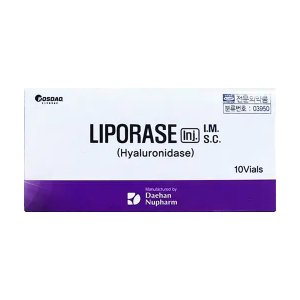
Cannulas, needles and hyaluronidase for filler work.

Lip fillers swelling stages usually follow a short inflammatory course: swelling appears soon after injection, often peaks during the first 24 to…

Radiesse vs Sculptra is best understood as a comparison between two collagen-stimulating injectables with different materials and clinic workflows. Radiesse is a…

Hyaluronic acid under-eye filler is an injectable soft-tissue filler used by trained aesthetic clinicians to soften tear-trough hollowness or shadowing when anatomy…