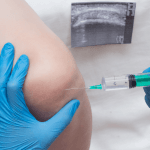
Collagen-based injectables sit between classic dermal fillers and newer “skin quality” treatments. Many clinics evaluate them for crepey texture, fine lines, and gradual dermal support. Nithya collagen is one example discussed in mesotherapy-style protocols, where small deposits are placed in the superficial tissues. Your planning should focus less on marketing claims and more on ingredient verification, patient selection, and documentation. These steps protect patients and reduce operational friction.
Why it matters: Injectable skin treatments carry risks, even when downtime looks minimal.
Key Takeaways
- Confirm collagen source and excipients before scheduling treatment.
- Set expectations around gradual change and variable longevity.
- Screen carefully for allergy history and inflammatory skin conditions.
- Standardize photos, consent language, and adverse-event documentation.
- Use controlled sourcing and batch traceability in your inventory process.
Nithya collagen In Practice: What Clinics Should Know
In day-to-day clinic language, “collagen injections” can mean very different things. Some products are true collagen implants. Others act more like a collagen biostimulator treatment, where tissue response and remodeling contribute to visible change over time. That difference affects how you counsel patients, set follow-up cadence, and handle “before and after” expectations.
It also affects how you compare options on your shelf. Teams often weigh collagen approaches against hyaluronic acid gels, calcium hydroxylapatite (CaHA), or poly-L-lactic acid (PLLA). If your clinic already manages a dermal injectable portfolio, it helps to map collagen options within the same governance system you use for the Dermal Fillers Category and related devices.
Fulfillment is limited to licensed clinics and qualified healthcare professionals.
From an operations perspective, treat collagen products like any other injectable: verify labeling, confirm lot number traceability, and align storage to the manufacturer’s instructions. If you use multiple skin quality injectables, keep your education materials clear. Avoid lumping different mechanisms into one “collagen booster” message. Clarity reduces consent disputes and rework for your team.
Mechanism And Ingredients: Collagen As A Biostimulator
At a high level, collagen is a structural protein in skin and connective tissue. The clinical goal with injectable collagen varies by formulation and technique. Some approaches aim to provide a scaffold-like effect. Others aim to prompt a remodeling response after placement. Because products differ, avoid assuming equivalence across brands or even across “type I collagen injections” as a category.
Type I Collagen, Sources, And Sensitization Considerations
Type I collagen is the most abundant collagen in human dermis. In aesthetics, it may be sourced from animal origin, including equine collagen injections in some markets. Source matters for screening and counseling. Ask for the ingredient list and any available allergen statements, and store these in your product file. When patients report prior reactions to injectable materials, topical biologics, or animal-derived products, your team should slow down and clarify details before booking. Labeling may include specific precautions or testing recommendations; if so, follow the manufacturer’s directions and local regulations.
Stock is restricted to authentic, brand-name medical products.
From a clinic education standpoint, describe the mechanism in plain language. Many patients understand “skin strength” better than “dermal matrix.” Pair that with realistic uncertainty. Nithya collagen may be positioned as a skin-quality support option, but outcomes can vary by baseline photodamage, smoking status, and concurrent procedures.
As you build protocols, consider harmonizing terminology across your injectable menu. If you also use CaHA or PLLA stimulators, keep your internal references consistent with your training materials. For a parallel discussion of a collagen-stimulating category, see How Radiesse Boosts Collagen and Poly-L-Lactic Acid Overview.
Patient Selection, Contraindications, And Consent
Selection starts with goals and tolerance for variability. Patients seeking immediate, shape-changing volume often do better with a gel filler plan. Patients focused on texture, fine lines, or “crepey” skin sometimes prefer approaches framed as dermal support. This is where a collagen plan may be considered, particularly as part of a broader regimen that includes sun protection, topical retinoids when appropriate, and device-based resurfacing.
When reviewing Nithya collagen candidacy, build a short screening script that covers allergy history, autoimmune or inflammatory disease history, recent infections, and prior injectable complications. Many clinics also screen for a history of granulomatous reactions (persistent inflammatory nodules) after fillers or biostimulators. Contraindications are product-specific, so your consent should reference the manufacturer’s labeling and your medical director’s policies.
Common Areas Considered: Face, Neck, And Hands
In practice, collagen injections for face concerns are often discussed for superficial lines, texture, and diffuse laxity rather than focal projection. The neck and dorsal hands are also frequent discussion areas because the skin is thin and photodamage is common. These regions can be more reactive and less forgiving if technique is inconsistent. That makes standardized training important, including depth awareness, spacing, and post-procedure instructions. If your clinic offers complementary regenerative injectables, it can help to align expectations across categories; for example, compare patient messaging with a polynucleotide or “skin booster” pathway such as Rejuran Healer or education material like Nucleofill Treatment Guide.
Quick tip: Use the same camera, lighting, and angles for every photo set.
“Before and after” images are a clinical tool, not just marketing. Create a photo protocol that includes baseline hydration notes, recent travel, and recent procedures. These variables can change perceived results more than the injectable itself. If you publish images, confirm written consent and your jurisdiction’s advertising rules.
Adverse Effects, Downtime, And Aftercare Planning
Even when marketed as “natural,” injectables can cause complications. Typical short-term reactions include tenderness, swelling, erythema (redness), bruising, and pruritus (itching). Less common but more serious risks can include infection, prolonged nodules, delayed inflammatory reactions, and vascular compromise. Your aftercare planning should treat collagen injections risks similarly to other injectables: clear warning signs, access instructions, and a documented escalation pathway.
Sourcing relies on distributors that are screened and vetted.
Nithya collagen safety discussions should stay anchored to the product’s official labeling and the technique used. Do not generalize risk profiles across all collagen formulations. Operationally, define what your clinic considers “expected downtime” versus an adverse event that triggers follow-up. Then train front-desk and nursing staff on the difference, so messages stay consistent.
What To Document After Administration
Documentation supports continuity of care and protects your clinic if outcomes are disputed. Record the product name as labeled, lot number, and expiration date. Note injection sites and technique description at a level consistent with your policy. Capture any immediate reactions and the counseling provided. If you use topical anesthetics or adjunctive products, record them as well. When follow-up calls occur, document who spoke to the patient, what symptoms were reported, and what instructions were provided. Your documentation structure should be consistent across product types, including HA fillers and stimulators such as Radiesse 3 mL.
For clinics that offer multiple collagen-related options, keep post-care sheets specific. “Avoid strenuous activity” and “avoid facial massage” may not apply equally across techniques. When in doubt, defer to the manufacturer’s instructions for use and your supervising clinician’s guidance.
How To Compare Collagen Injections Vs Fillers
Teams often ask, “collagen injections vs fillers—what’s the practical difference?” For clinic planning, the most useful comparison is not which one is “better,” but which one best matches the target tissue change and the patient’s expectations. Gel fillers are typically used for space-occupying volume and contour. Biostimulators focus more on gradual tissue quality change. Collagen-based options can overlap both categories depending on formulation and technique.
It also helps to set an expectation framework for “how long do collagen injections last.” Longevity varies with product characteristics, injection plane, and patient factors. Set conservative expectations and avoid promising a timeline. Plan follow-ups as checkpoints for satisfaction, photography, and any delayed reactions.
| Decision Factor | Collagen-Based Approaches | HA Gel Fillers | Biostimulators (e.g., CaHA, PLLA) |
|---|---|---|---|
| Primary goal | Skin quality support; may be subtle | Contour and volume replacement | Gradual tissue quality and firmness |
| Onset expectations | Often progressive; varies by protocol | Typically immediate shape change | Often progressive over time |
| Common operational needs | Ingredient verification; allergy screening emphasis | Occlusion risk training; emergency readiness | Nodule risk counseling; longer follow-up planning |
| Portfolio examples | Nithya Stimulate, Sunekos | Browse within Dermal Fillers Product Hub | Sculptra 2 Vials, Radiesse 3 mL |
When patients request a “collagen booster,” consider a short comparison script. Use plain language: “shape,” “texture,” “firmness,” and “timeline.” For clinician-facing depth, you can reference prior category reviews like Sculptra Vs Filler Planning and collagen-stimulating filler context in Discover Lanluma Injections. Keep your own claims conservative and consistent with labeling.
Procurement And Clinic Workflow Snapshot
Procurement is where many clinics reduce risk. Separate “product education” from “product logistics.” Your clinical team can evaluate fit, but your operations team should validate traceability, documentation needs, and storage conditions. If you carry Nithya collagen alongside other injectables, align it with the same receiving and inventory controls you use for fillers and neuromodulators.
In many practices, supply is coordinated through US distribution partners, but requirements can vary by product and jurisdiction.
Checklist: Sourcing, Receiving, And Records
- License file: keep current clinic credentials available.
- Product file: store IFU, ingredients, and labeling images.
- Receiving log: record lot number and expiry on arrival.
- Storage check: follow labeled temperature and light guidance.
- Inventory traceability: map dispensed units to patient charts.
- Incident pathway: define reporting and escalation steps.
- Training record: document who is signed off to administer.
Workflow can be summarized as verify → document → procure → receive → store → administer → record. The details depend on your medical director and local rules. If you standardize the workflow, you reduce last-minute delays and prevent “mystery stock” from reaching procedure rooms.
Pitfalls usually appear at handoffs. The most common are missing lot numbers in charts, inconsistent photography, and vague aftercare sheets. A short monthly audit can catch these early.
Authoritative Sources
For general injectable-device safety framing and patient counseling language, use regulator and specialty-society references in addition to product labeling. These resources do not replace the manufacturer’s instructions for use.
Further reading: keep your team current on biostimulator mechanisms and comparisons, especially when patients use “collagen” as a catch-all term.
This content is for informational purposes only and is not a substitute for professional medical advice.