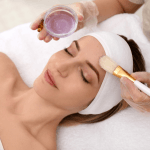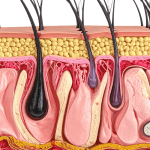

Interest in mesotherapy injections has grown across aesthetic and hair-restoration practices. Many clinics now receive “before and after” requests, cost questions, and safety concerns. This guide frames the topic as a clinic operations briefing. It focuses on definitions, expectation-setting, and risk controls. It also covers documentation and sourcing steps that support compliant delivery.
Mesotherapy is often discussed as “microinjection therapy.” It typically involves small, superficial injections into the skin or subcutaneous tissue. Protocols vary by region, prescriber preference, and product selection. Your role is to align technique, consent, and product controls with your local scope-of-practice rules.
Key Takeaways
- Define goals and endpoints before selecting protocols.
- Standardize consent, photography, and adverse event documentation.
- Screen for contraindications and interacting therapies upfront.
- Set realistic timelines for visible change and retreatment.
- Verify product provenance and lot documentation consistently.
Mesotherapy Injections: Clinical Overview and Fit
“What is mesotherapy” is still a common team question. In practice, the term describes a method more than a single product. Clinicians use intradermal or superficial subcutaneous injections to deliver substances intended to support skin quality. In aesthetic settings, it is commonly positioned for hydration, texture, radiance, or hair-density support. It is also marketed online for localized fat reduction, although the evidence and regulatory status can be inconsistent across markets.
Operationally, mesotherapy fits clinics that already run injectable workflows. You need clear protocols for assessment, consent, aseptic technique, documentation, and follow-up. You also need a defined formulary and a process for confirming what can be used in your jurisdiction. If you are building a program, start by reviewing the broader Mesotherapy Category to map the main product types you may encounter.
Supply access is typically restricted to verified licensed healthcare accounts.
For a deeper scientific primer and terminology, see Benefits Of Mesotherapy. Keep in mind that many articles describe general concepts. Your clinical governance process should translate those concepts into a local, auditable protocol.
Targets, “Before and After,” and Expectation Setting
Patient interest is often driven by images and anecdotes. That makes “mesotherapy before and after” discussions a documentation issue as much as a clinical one. Standardize photography conditions, timelines, and objective measures. Use the same lighting, distance, and facial expression. Document concurrent treatments that can confound interpretation, such as retinoids, energy-based devices, or recent filler.
When teams describe expected change, keep language conservative. Many clinics frame early improvements as changes in hydration or glow. Longer-term change may relate to neocollagenesis (new collagen formation), which is slower and harder to attribute. “Mesotherapy results after one treatment” is a common search phrase. In clinic communication, it is usually better to document incremental change across a planned series, rather than promising early visible results.
Face concerns: texture, tone, and under-eye appearance
Interest in “mesotherapy for face before and after” is often tied to fine lines, dullness, or crepey texture. Under-eye requests may be framed as “mesotherapy for dark circles,” even when the driver is vascular show, thin skin, or shadowing. Clarify the primary cause and define the endpoint. If a patient expects volume correction, mesotherapy may not match that intent. Also plan how you will capture baseline and follow-up in a way that is reproducible and clinically meaningful.
Cost questions are common, including “mesotherapy for face cost.” Clinics generally explain cost drivers as a mix of product selection, visit length, the need for multiple sessions, and follow-up. Avoid quoting generalized public ranges in clinical notes. Instead, document what was used, the number of sites, and the visit components included.
Hair and body requests: be explicit about evidence and scope
“Mesotherapy hair before and after” images can be compelling, but hair outcomes are slow and variable. If you offer “mesotherapy for hair loss,” define how you measure change. Examples include standardized global photos, hair pull test documentation, and patient-reported shedding patterns. Remember that telogen effluvium (shedding phase) and androgenetic alopecia may present differently. For background reading that can help structure your consults, see Mesotherapy For Hair.
Body-shaping searches like “mesotherapy injections for weight loss” and “mesotherapy for belly fat reviews” raise extra governance questions. Claims about lipolysis (fat breakdown) and “spot reduction” vary widely. Regulatory status may differ from country to country, and product composition can be unclear online. If your clinic addresses these requests, ensure your medical director reviews the evidence base, allowable products, and local rules before offering any protocol.
Why it matters: Standardized photos and endpoints protect both outcomes interpretation and documentation quality.
Safety Profile, Contraindications, and Side-Effect Tracking
Safety conversations should cover both expected reactions and uncommon events. Many searches focus on “mesotherapy injections side effects” or “mesotherapy for face side effects.” In practice, you will see transient erythema, edema, tenderness, and small bruises with most injection-based procedures. Your documentation should separate expected, self-limited reactions from adverse events that require escalation or formal reporting.
Because mixtures and products vary, clinics should avoid copying generalized claims into consent forms. Instead, your consent should match the specific product class and route used in your protocol. When relevant, include risks that apply to injectables broadly, such as infection, granulomatous reactions, or vascular compromise. If you also provide other injectable services, align your adverse-event playbook across them for consistency.
Products should be obtained through vetted distribution channels, not informal resale networks.
Contraindications and screening: keep it systematic
“Mesotherapy contraindications” screening typically includes pregnancy or breastfeeding status, active skin infection at the treatment area, uncontrolled systemic illness, and relevant allergy history. Also document anticoagulant or antiplatelet use, prior reactions to injectables, and recent procedures in the same area. If your protocol uses hyaluronic acid-based materials or other implants, record previous filler history and any late inflammatory reactions. Policies vary, so your final screening list should be approved by your clinical governance lead and updated as products change.
For face treatments, the phrase “mesotherapy injections for face side effects” is often used by patients who have read about swelling or bruising. Set expectations on typical recovery. Document planned work restrictions only when your clinic policy requires it. When uncertain, use conservative language and encourage patients to follow their treating clinician’s instructions.
Technique and Aftercare: Practical Clinic Controls
Technique consistency matters for both outcomes and incident prevention. “Mesotherapy injection techniques” is a broad term, but clinic standards can still be clear. Use a written protocol that covers aseptic preparation, skin antisepsis contact time, injection depth intent, and disposal. Ensure training includes anatomy review, complication recognition, and escalation pathways. Where allowed, competency sign-off helps reduce variation between injectors.
Aftercare is often described online as “mesotherapy aftercare,” and patients also ask about “mesotherapy recovery time.” Provide a short, standardized handout that matches your local policy. Keep it aligned with product labeling where applicable. In general, clinics document what to avoid immediately after treatment if it reduces irritation or infection risk. They also document when to contact the clinic for concerning symptoms.
Injection patterns, depth intent, and documentation
Many protocols describe a grid or point-by-point approach over a target area. Others focus on specific regions, such as periorbital skin or scalp. Regardless of pattern, document the anatomic sites treated and the rationale for site selection. Record the product name, lot number, expiry, and preparation method used at the chairside. Avoid recording unverified “cocktail” recipes from non-clinical sources. If multiple products are used in a visit, document sequencing and whether they were mixed or applied separately. This level of detail supports chart review if delayed reactions occur.
Quick tip: Keep one standardized consent template, then add product-specific addenda when needed.
For clinics that also offer skin boosters, you may want to align policies across services. A practical overview is in Skin Boosters Injections. When evaluating specific SKUs, treat them as formulary decisions, not marketing claims. Examples that some practices review include Fillmed NCTF 135 HA and Cytocare, subject to local availability and approved use.
How to Compare Options: Devices, Fillers, and Skin Quality Programs
Many consults require a clear comparison. Patients often ask about “mesotherapy vs microneedling” because both are framed as minimally invasive. They also ask about “mesotherapy vs dermal fillers,” especially when they want visible volume change. A clinic-friendly way to manage this is to compare mechanisms, downtime patterns, and outcome targets. Then select the modality that best fits the documented goal.
If your team wants a structured explainer to support consult scripting, see Mesotherapy And Microneedling Contrasts. Keep your own language grounded in what you can measure and document. Avoid absolute statements about superiority, since protocols and patient factors vary.
| Modality | Primary target | Typical clinic considerations | Common documentation focus |
|---|---|---|---|
| Mesotherapy injections | Skin quality support | Protocol variability; product governance | Product, lot, sites, photos |
| Microneedling | Texture and scarring support | Device settings; infection prevention | Needle depth, passes, endpoint |
| Dermal fillers | Volume and contour change | Anatomy risk; vascular events planning | Plane, cannula/needle, reversibility plan |
When patients ask about branded injectables, keep your answers neutral and protocol-based. If you stock multiple product classes, document why one was chosen for a given endpoint. Examples some clinics evaluate for skin quality programs include Profhilo HL and Rejuran Healer, subject to local regulatory requirements.
Clinic Workflow: Sourcing, Storage, and Visit Documentation
Clinic operations often determine whether a program stays consistent. If you are asked about “mesotherapy injections cost,” it helps to separate product cost from total visit cost. Internally, map out the full workflow: intake, consent, photography, preparation, administration, aftercare handout, and follow-up. This makes staffing, scheduling, and inventory planning more predictable.
For product governance, build a simple checklist that can be audited. Use your standard receiving process for all injectables, even if a product is used infrequently. If you operate with US distribution partners, verify how documentation is supplied and stored within your quality system.
- Account verification: confirm license and facility details
- Product verification: inspect packaging and labeling
- Traceability: record lot and expiry at receiving
- Storage: follow labeled temperature and light limits
- Chairside log: product, site map, and operator
- Incident process: document reactions and escalation steps
MedWholesaleSupplies focuses on supplying brand-name products to licensed healthcare providers through screened distributors.
Finally, decide where information lives. Some practices store photos in the EHR. Others use a secure imaging workflow with cross-references. Whichever system you use, document patient consent for photography, how images are stored, and who can access them.
Authoritative Sources
Regulatory and professional bodies can help you frame risk controls for injectable procedures. Because mesotherapy protocols vary widely, it is often more useful to cite general injectable safety guidance and device-related standards. Use these sources to support staff training, consent language, and incident response planning. Always confirm local laws and scope-of-practice requirements before launching a new protocol.
- FDA overview of dermal filler risks and reporting
- FDA information on human drug compounding considerations
- American Academy of Dermatology guidance on microneedling basics
Further reading can also be internal and protocol-focused. You may find it helpful to browse the Mesotherapy Editorial Hub and align articles with your medical director’s policies.
This content is for informational purposes only and is not a substitute for professional medical advice.