Collagen-stimulating injectables are increasingly discussed for facial and body contouring. Lanluma injections are one example, and they raise practical questions for clinics. What does “collagen stimulator” mean in day-to-day planning? How do you set expectations about gradual change? What documentation and sourcing steps matter most?
This briefing focuses on operational and clinical-trade considerations. It covers mechanism at a high level, common use areas, safety concepts, and how to compare biostimulators with traditional dermal fillers. It also flags topics that often drive procurement discussions, including regulatory status checks, product verification, and recordkeeping.
Because regulations and labeling can change, treat this as a planning guide. Confirm current indications, instructions for use, and local rules before you implement any protocol.
Key Takeaways
- Collagen stimulators can change planning around timing and follow-up.
- Lanluma injections discussions often center on body contouring use cases.
- Comparisons versus PLLA peers and HA fillers should focus on workflow fit.
- Documentation, product verification, and lot tracking reduce avoidable risk.
- Set photo standards early for consistent “before-and-after” assessment.
Lanluma injections: What It Is and Where It Fits
Lanluma is commonly described as a collagen stimulator, meaning it is intended to support gradual tissue change rather than immediate space-filling alone. In practice, this shifts how teams discuss scheduling, photography, and follow-up touchpoints. It can also change which patient-reported outcomes you collect, since early changes may be subtle.
Many clinics categorize these products within their broader injectable toolkit. That toolkit may include hyaluronic acid (HA) fillers for hydration and immediate volume, and other biostimulators used for skin quality and structural support. If you maintain a centralized purchasing list, it helps to place this product class alongside your other options in a single internal “injectables map.” Some practices organize this around a browsable hub like a Dermal Fillers Category to support standardized intake forms and inventory language.
When you train staff, start with shared vocabulary. Poly-L-lactic acid (PLLA) is a synthetic polymer used in some collagen-stimulating injectables. It is not the same as HA, and it should not be explained as a “hydrating gel.” For deeper background on the material class, see Role Of Poly-L-Lactic Acid.
We work with licensed healthcare teams and require practice verification.
Mechanism, Results Timeline, and Longevity Planning
Collagen stimulation is often described as a biologic response to the injected material. The clinic implication is simple: visual change may be progressive, and assessment should be structured. Many “lanluma before and after” images found online lack consistent positioning or lighting. That makes them hard to interpret for clinical planning. Build your own photo protocol early, then keep it stable.
High-level mechanism: what teams should say consistently
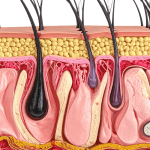
When staff describe how a collagen stimulator works, aim for accuracy and restraint. A simple, consistent script can reduce miscommunication. You can explain that the material is placed in targeted areas and may trigger a localized tissue response over time, including collagen remodeling. Avoid promising a specific degree of lift, projection, or skin tightening. Also avoid implying that results are immediate, since the “lanluma results timeline” discussed in practice is often measured in weeks to months rather than minutes.
Why it matters: Consistent explanations reduce complaints tied to timing expectations.
Longevity planning is mostly a workflow issue. “Lanluma longevity” and “lanluma maintenance” questions usually translate into: how often will patients return, and what follow-up capacity do you need? Treat this as a scheduling and documentation problem, not a marketing claim. If your clinic uses standardized follow-up intervals for other injectables, align documentation fields so the experience is comparable across product types.
For clinics monitoring outcomes, consider structured patient feedback instead of informal “lanluma patient reviews.” Short validated questionnaires are not always necessary, but consistency is. Track the same few metrics each time, such as satisfaction, perceived firmness, and comfort during recovery. Pair that with standardized images to support internal quality review.
Injection Areas, Protocol Concepts, and Aftercare Operations
Planning starts with “lanluma injection areas,” because anatomy, tissue planes, and complication responses differ by site. Body-focused use is often discussed, including “lanluma buttock augmentation” and “lanluma for hip dips.” These topics draw attention because they can involve larger surface areas and more complex symmetry checks than many facial treatments. They also require clear pre-treatment documentation, including baseline asymmetry and prior procedures.
Body contouring considerations (without procedural instructions)
From an operations view, body contouring treatments tend to increase time per appointment. They can require additional chaperoning, larger photo sets, and more detailed consent language. If your team has not standardized body photography, this is where inconsistency shows up. Create a checklist for camera height, landmark framing, and patient stance. Also document prior injectables, implants, and any history of scarring issues. This supports both clinical decision-making and later interpretation of changes.
Some clinics also receive questions about “lanluma cellulite treatment.” Be careful with language. Cellulite appearance can vary with hydration, weight fluctuation, and lighting. If you evaluate cellulite-related goals, document objective baseline descriptors. For example, note the location, distribution, and whether dimpling appears at rest or only with muscle engagement.
“Lanluma injection technique” discussions should stay within training and credentialing frameworks. Maintain a clear separation between educational overview and hands-on competency. If you use adjunct products in the same patient population, document rationale and sequencing at a high level. For example, your formulary may include other skin-quality products or biostimulators, such as Ultra V Ultracol, which may be discussed in separate protocols.
Aftercare planning is a clinic systems task. “Lanluma aftercare” questions often involve activity limits, expected local reactions, and what to report. Your aftercare sheet should be readable, consistent across providers, and aligned with your adverse-event documentation pathway. Keep it product-appropriate and consistent with the official instructions for use.
For inventory reference, some clinics maintain a product card in their system that links to the supplier listing used for internal procurement, such as Lanluma V Product. This is useful for lot capture and reconciliation, not for patient-facing decisions.
Safety, Contraindications, and Side Effects to Plan For
Safety planning should cover both product-related reactions and general injectable risks. “Lanluma risks and side effects” discussions often include local swelling, tenderness, bruising, and longer-term palpability concerns that can occur with some collagen-stimulating products. Your documentation should also cover the universal risks of injections, including infection and unintended placement.
Contraindication screening is a process, not a single checkbox. “Lanluma contraindications” should be handled through your standard intake workflow and aligned with labeling. Build prompts for relevant medical history, allergies, prior filler history, and prior complications. If you support multiple injectables, standardize a “previous injectable events” field so staff can capture nodules, delayed inflammation, or other concerns in one place.
Risk reduction through clinic systems
Adverse event readiness matters more than brand comparisons. Keep your escalation pathway clear, including who is contacted after hours and what documentation is required. Train staff on how to record onset timing, affected area, and photos. Even when patients describe mild issues, structured documentation helps you spot patterns across batches, techniques, or sites.
Products are sourced as brand-name items through distributor-vetted channels.
If you publish patient education material, avoid overstating “lanluma safety.” You can state that every injectable has risks and that clinicians follow aseptic technique, screening, and post-procedure guidance. Avoid implying that a product is risk-free or universally appropriate.
Comparing Biostimulators and Fillers for Treatment Planning
Clinics often ask for a practical “lanluma vs sculptra” framework. In most workflows, these comparisons are less about which is “better” and more about how each fits training, follow-up, and documentation. The safest way to compare is to use the official labeling, published clinical literature, and your own complication tracking. For a focused discussion, see Lanluma Vs Sculptra.
For purchasing teams, it can help to compare by material class and clinical intent. “Lanluma vs hyaluronic acid fillers” often comes down to immediacy of correction, reversibility concepts, and visit cadence. A separate comparison, “lanluma vs radiesse,” is often framed around calcium hydroxylapatite (CaHA) as a biostimulatory option with different handling and tissue behavior. Ellansé is discussed in some markets as another collagen-stimulating approach, and “lanluma vs ellanse” questions should be handled with a regulatory and availability lens, since product status varies by region.
| Category | Typical clinic intent | Planning implications |
|---|---|---|
| PLLA collagen stimulators | Gradual tissue change and contour support | Expect progressive assessment; emphasize photo standards |
| HA dermal fillers | Immediate volume and hydration support | Often easier to assess same-day; may need different follow-up cadence |
| CaHA fillers | Structural support with potential biostimulation | Handling and placement considerations differ by plane and site |
| Other collagen-stimulating options | Skin quality and firmness goals | Availability, labeling, and training requirements can vary |
Decision factors that usually matter most
When you compare products across categories, keep the discussion operational. First, map staff training needs and who can administer under your policies. Next, review contraindication screening prompts and consent language differences. Then consider what “success” looks like for your clinic: patient satisfaction, symmetry, skin texture, or contour stability. Finally, confirm what documentation is required for traceability, including lot capture and expiration date logging.
To support broader education on material classes, you may also reference Collagen Vs Hyaluronic Acid. If you stock specific branded comparators for clinician reference, keep internal records current, such as Sculptra Two Vials and Radiesse 3 mL.
Lanluma injections should be compared using the same template you use for other injectables. That keeps decisions consistent across providers.
Procurement, Documentation, and Availability Considerations
Procurement questions tend to cluster around “lanluma cost,” “lanluma usa,” and “is lanluma available in the us.” These are valid operational concerns, but they should be handled carefully. Pricing varies by supplier agreements and ordering model, and availability can change with regulatory status, distribution, and demand. The safest approach is to confirm current market status directly with your vetted supplier and to document what you verified.
Regulatory language deserves extra discipline. Clinics also search “lanluma fda approval status,” and staff may be asked about it during consults. If you are unsure, do not speculate. Check the current labeling, the supplier’s documentation packet, and relevant regulator databases. Align your patient-facing language with what you can support in writing.
Quick tip: Use one standardized intake template for all injectables.
Documentation support helps clinics track lot numbers and invoices for audits.
If your clinic operates with US distribution as a core requirement, confirm fulfillment boundaries and record them in your procurement SOP. Keep that SOP short and auditable. Also decide who owns each step: clinical lead, inventory manager, or practice manager.
Clinic workflow snapshot (high level)
Most practices benefit from a simple “verify → document → receive → store → administer → record” flow. Verification includes confirming you are working through legitimate channels and that product documentation is complete. Receiving includes checking packaging condition and matching the shipment to your purchase record. Storage should follow the manufacturer’s instructions and your internal access controls. Recording includes lot number, expiration date, and the patient record linkage as required by your policies.
Procurement and compliance checklist
- Supplier vetting: confirm licensed healthcare distribution model
- Product documents: keep IFU and traceability records
- Receiving log: record lot and expiration dates
- Storage SOP: restrict access and monitor conditions
- Consent language: align with indications and expectations
- Photo protocol: standardized angles and consistent lighting
- Adverse-event pathway: clear roles and documentation steps
For teams building a broader injectable program, a curated internal education feed can help. You may find it useful to keep a clinic-facing library like Dermal Fillers Insights for consistent staff onboarding. If CaHA products are part of your comparisons, see How Radiesse Boosts Collagen as background reading.
Authoritative Sources
For final checks on safety framing and regulated terminology, rely on primary sources. Product instructions for use, regulator communications, and professional society summaries are usually the most defensible references for internal protocols and patient education language.
The resources below provide general guidance on dermal fillers and injectable device safety. They are not specific protocol instructions for any one product, but they can help teams align language, consent, and adverse-event readiness with widely accepted standards.
- For FDA overview of filler risks and basics: U.S. FDA Dermal Fillers
- For professional society patient-safety framing: ASDS Dermal Fillers
Further reading inside your training set can also include internal comparisons and material primers. Keep these aligned with your own complication tracking and consent documentation.
This content is for informational purposes only and is not a substitute for professional medical advice.