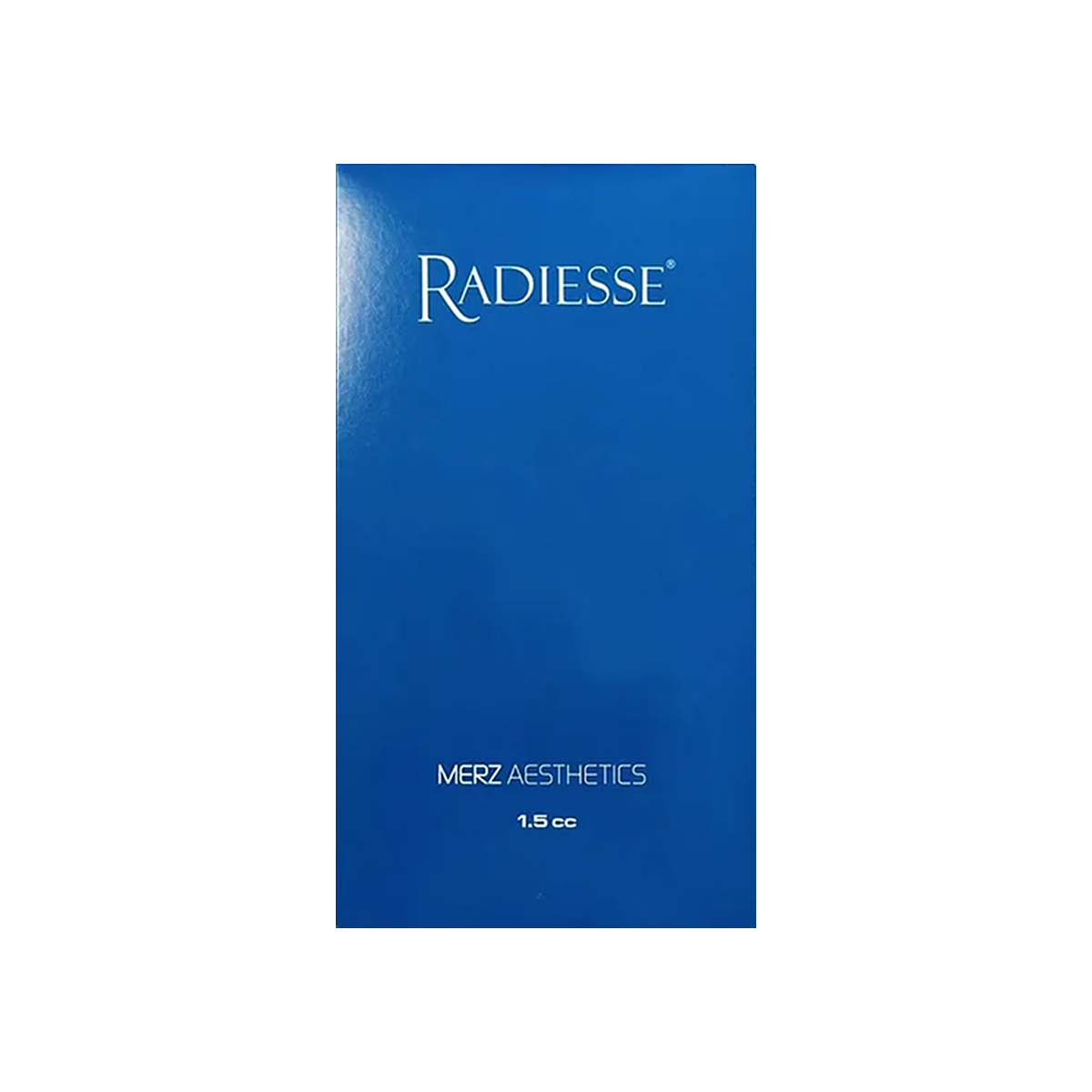
Merz Pharma
1.5 mL1.5 mL x 1 Pre-Filled SyringeFor licensed clinicsIn stock
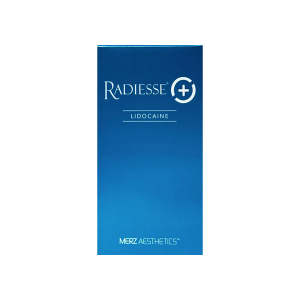
Order Radiesse® 1.5 mL for Clinics
Calcium Hydroxylapatite Gel Filler
Free shipping on orders over $800
5% off your first order, applied at checkout
Order as a guest or log in. Your medical licence details are collected at checkout and checked against the state board and the NPI registry.
Treatment cost and margin plannerPlanning tool
Enter your own figures: the syringes you use per treatment and what you charge per treatment. The table shows your product cost and margin per treatment at each quantity price. It does not suggest doses, prices or treatments.
| Quantity | Price per pack | Cost per unit | Cost per treatment | Margin per treatment |
|---|
Uses today's prices for the selected option before shipping and any other costs. Your figures stay in your browser.
- Storage
- Room Temperature (2℃~25℃)
Ships within 24–48 hours
Delivery typically 48–72 hours after shipping, up to 5–7 business days depending on origin and customs. Tracking is emailed when your order ships.
Warm or damaged on arrival?
Send us photos or a video. We investigate and arrange a replacement where needed.
Licence checks
Licences are checked against the state board and the NPI registry.
100% genuine products
In original manufacturer packaging, with lot numbers for full traceability. Lot numbers are shown on your packing slip and invoice.
250 active clinics · Supplying clinics since 2013
“Everything has been easy from ordering to delivery. The prices are good, orders arrive quickly, and the customer service has been great. I would definitely order from MWS again.”
We acceptVisa, Mastercard and American Express
Specifications at a glance
- Manufacturer
- Merz Pharma
- Generic name
- Calcium Hydroxylapatite Gel Filler
- Size / strength
- 1.5 mL
- Package content
- 1.5 mL x 1 Pre-Filled Syringe
- Main ingredient
- Synthetic Calcium Hydroxylapatite
- Drug class
- Aesthetic Surgery Product
- Drug type
- Dermal Filler
- Storage
- Room Temperature (2℃~25℃)
- Who can order
- For licensed clinics and healthcare professionals.
About Radiesse®1.5 mL
Radiesse® 1.5 mL is a calcium hydroxylapatite (CaHA) injectable filler supplied as a single prefilled syringe for trained injectors. Licensed clinics, med spas, and aesthetic practices use it for facial contouring, volumization of tissue deficits, and dorsal hand correction. Each unit contains one 1.5 mL syringe and two sterile 27 G 1/2-inch needles for aseptic treatment-room use.
The presentation is intended for deep dermal and subdermal placement by qualified healthcare professionals. CaHA microspheres sit in a gel carrier, which gives the material a cohesive, sculptable feel for structural support and contour definition. Med Wholesale Supplies is a wholesale supplier of aesthetic, orthopedic and medical products to clinics, hospitals and medical professionals, operating since 2013.
Wholesale Ordering and 1.5 mL Syringe Planning
Licensed clinics can buy Radiesse wholesale in this 1.5 mL format and plan stock by treatment area, appointment mix, and injector preference. The 1.5 mL size is sometimes written as 1.5 cc, since 1 mL equals 1 cc. One carton equals one unit of use, which keeps lot tracking and case-level documentation simple.
Radiesse is not measured in toxin-style units. Treatment planning is discussed in millilitres or syringes, and the amount used stays a clinical decision based on anatomy, the treated area, and clinic protocol. Purchasing staff should never convert filler volume into neuromodulator units, because the two product classes are planned and recorded in different ways.
Practices that standardize around one filler family can review the wider Radiesse brand selection to see how presentations differ without changing the core CaHA workflow. Restocking is easier when purchase records, injector preferences, and expiry dates are reviewed together each cycle.
Professional Applications and Treatment-Room Fit
Clinicians use this filler class for structural facial contouring, correction of moderate to severe facial folds such as nasolabial folds, and volume restoration on the back of the hands. Consult the manufacturer’s current instructions for use for the full labeled indications, injection depth, and technique guidance before the first case. Any use outside labeled indications is off-label and remains a clinical judgment for the treating provider.
Common room workflows include midface support, chin projection, jawline refinement, and hand correction. Providers may inject by needle or cannula, depending on the anatomical plan, training, and clinic standards. A typical sequence is consultation and consent, photography, marking, aseptic preparation, injection, molding where appropriate, then post-procedure assessment and documentation.
The cohesive feel suits practices that want defined contour rather than a very soft, superficial gel. For protocols where an anesthetic-containing version is preferred, many clinics also stock the Radiesse 1.5 mL with lidocaine presentation. Keep both clearly separated on the shelf so staff pull the correct syringe for each booked case.
How Calcium Hydroxylapatite Filler Works
CaHA microspheres suspended in a gel carrier give immediate volume and contour once placed. Over the following months, the microspheres can act as a scaffold that supports neocollagenesis, meaning the formation of new collagen in the treated tissue. This biostimulatory behavior is why many clinics position CaHA for structural support and longer-term tissue quality planning.
The handling profile differs from most hyaluronic acid gels. HA products are often chosen for softer integration, hydration, and the option of enzymatic reversal with hyaluronidase. CaHA is commonly chosen for firmer support and contour control, and it is not dissolved by hyaluronidase. That difference should be covered in staff training and in patient counseling before treatment.
A short clinical discussion of the mechanism appears in the Radiesse collagen biostimulation article. Product choice should still follow the treatment area, depth, tissue quality, patient history, and the injector’s experience. This filler does not replace surgical lifting, resurfacing, or neuromodulator treatment when those options fit the goal better.
Patient Selection, Contraindications, and Precautions
Screening happens before the carton is opened. Review the manufacturer’s current instructions for the complete contraindication and warning list, and apply clinic policy on documentation and consent. Points that commonly affect suitability include:
- Known hypersensitivity to any component of the filler
- History of severe allergy or anaphylaxis
- Active infection, inflammation, or skin lesions at or near the planned site
- Bleeding disorders or current use of medicines that increase bleeding
- Lip augmentation, which the manufacturer’s labeling does not support for this product
- Prior filler, implants, or thread placement in the same plane
- Planned dental, laser, or peel procedures close to the treatment date
Injection into or near a blood vessel can cause vascular compromise, tissue injury, or visual symptoms. High-risk zones demand advanced anatomy knowledge, slow technique, and a written emergency plan kept in the treatment room. Document the plan, the areas treated, and the volume used for every case.
Side Effects, Monitoring, and Escalation
Expected short-term reactions include swelling, redness, bruising, tenderness, itching, firmness, or small lumps at injection sites. Most settle without intervention, and patients should be told what is normal and for how long. Give written aftercare instructions with a direct contact route for concerns.
More serious events reported with injectable fillers include infection, persistent nodules, granulomatous reactions, skin necrosis, and vision changes after vascular occlusion. Severe pain, blanching, mottled skin, or any visual symptom during or after injection needs immediate assessment and urgent escalation. Staff should know who to call and how the event is recorded and reported.
Why it matters: Rapid recognition of vascular events depends on protocol and training, not on the product chosen.
Receiving, Handling, and Documentation
Each unit is supplied as a single professional-use package with one 1.5 mL prefilled syringe and two 27 G 1/2-inch needles. The syringe and needles are sterile and single use. Store and handle the product in line with the manufacturer’s current instructions, and keep stock in its original carton until the case is prepared.
Receipt checks should confirm the product name, presentation, lot number, expiry date, and carton condition before the unit enters usable stock. Quarantine any carton that looks damaged, opened, or inconsistent with expected manufacturer labeling. Newer packaging does not include a printed booklet, because the instructions are provided as an e-IFU reached through the QR code on the pack.
Record the lot and expiry in the patient chart at the time of treatment. That record supports traceability if the manufacturer issues a field notice and helps during audits or adverse event follow-up.
Key Points for Professional Inventory
- Calcium hydroxylapatite microspheres in a smooth gel carrier
- One prefilled syringe containing 1.5 mL of product
- Two sterile 27 G 1/2-inch needles included in the carton
- Single-use, sterile packaging for aseptic workflows
- Manufacturer labeling carries lot and expiry for traceability
- Cohesive rheology for structural placement and contour control
- e-IFU access by QR code on current packaging
- SKU: 81459
Unit-of-use cartons make par levels easy to set. Clinics that run bilateral contouring plans often hold a small buffer of 1.5 mL syringes and review usage monthly against booked procedures.
1.5 mL, Lidocaine Version, and Larger Presentations
The 1.5 mL syringe described here is the version without lidocaine. The lidocaine-containing formulation suits comfort-focused protocols when an anesthetic-containing variant is appropriate for the patient and the area. Clinics that stock both should keep ordering, storage, and chart documentation clear so the correct syringe is selected every time.
Higher-volume practices sometimes add the Radiesse 3 mL presentation for broader coverage, while the 1.5 mL unit remains practical for targeted cases and tighter expiry control. Base the split on real procedure volume, not on list size.
For comparative planning across collagen-stimulating fillers, the Sculptra and Radiesse comparison sets out the main class differences, including dilution, treatment spacing, and onset of visible change.
Related Filler Choices for Mixed Inventory
CaHA and hyaluronic acid fillers are not interchangeable. HA gels may be preferred for softer integration, certain superficial areas, or when reversibility is part of the plan. CaHA is often preferred when the goal is firmer structural support and contour. The right pick depends on indication, anatomy, tissue quality, and the injector’s treatment plan.
The Radiesse and Juvederm Voluma comparison explains why many clinics keep both classes on hand. Practices that build HA-based volumizing protocols can also evaluate Juvederm Voluma with lidocaine as an adjacent option.
Quick tip: Keep CaHA and HA protocols in separate training documents so staff never mix volume planning or emergency steps.
Authoritative Sources
NIH MedlinePlus dermal fillers information
This content is for general informational purposes only and is not a substitute for professional medical advice, diagnosis, or treatment. Always consult a qualified clinician or pharmacist about your situation, and seek urgent care or call your local emergency number for severe or worsening symptoms.
Frequently asked questions
What is included in the Radiesse 1.5 mL carton?
Each professional-use unit contains one prefilled syringe with 1.5 mL of calcium hydroxylapatite filler and two sterile 27 G 1/2-inch needles. The syringe and needles are single use. Current packaging provides the instructions for use as an e-IFU, reached by scanning the QR code on the pack.
How should clinic staff check the product at receipt?
Confirm the product name, presentation, lot number, expiry date, and carton condition before the unit enters usable stock. Store and handle it according to the manufacturer’s current instructions. Quarantine any carton that looks damaged, opened, or inconsistent with expected labeling, and follow clinic policy for reporting.
Can Radiesse be dissolved like a hyaluronic acid filler?
No. Hyaluronidase breaks down hyaluronic acid gels, not calcium hydroxylapatite. Because this filler is not enzymatically reversible, placement accuracy, injector training, and clear patient counseling matter even more. Clinics should document this difference in protocols so staff explain it consistently before treatment.
Which areas is this filler used for in practice?
It is used for structural facial contouring, correction of moderate to severe facial folds such as nasolabial folds, and volume restoration on the back of the hands. Manufacturer labeling does not support lip augmentation. Review the current instructions for use for full indications, depth, and technique guidance.
What should a clinic have in place before injecting?
Trained injectors with current anatomy knowledge, aseptic technique, written consent, and a documented plan for filler emergencies. Keep an escalation pathway for severe pain, blanching, mottled skin, or visual symptoms. Record lot number, expiry, treated areas, and volume used in the patient chart for every case.
How do clinics decide between the 1.5 mL and 3 mL presentations?
Base the decision on booked procedure volume and expiry control. The 1.5 mL syringe suits targeted cases and tighter stock turnover, while larger presentations can suit practices running higher-volume contouring sessions. Many clinics keep a small buffer of the smaller unit and review usage monthly.
Questions clinics ask
How many mL are in one Radiesse 1.5 mL syringe?
One syringe contains 1.5 mL of product. The same volume may be described as 1.5 cc because 1 mL equals 1 cc.
Is Radiesse measured in units?
No. Radiesse is generally planned and documented by mL or syringe volume, not toxin-style units. The amount used depends on anatomy, treatment area, technique, and the injector’s professional assessment.
What is Radiesse plus 1.5 mL with lidocaine?
Radiesse plus 1.5 mL with lidocaine is a related presentation that includes lidocaine. Clinics may choose it when their protocols call for an anesthetic-containing CaHA filler option.
What comes in the Radiesse 1.5 mL carton?
The pack contains one 1.5 mL prefilled syringe and two sterile 27 G 1/2 inch needles. Manufacturer labeling includes lot and expiry information for clinic traceability.
Who can order Radiesse 1.5 mL from Med Wholesale Supplies?
Radiesse 1.5 mL is offered for licensed clinics, med spas, and healthcare professionals with account verification. Professional-use documentation and clinic ordering requirements may apply.
How should clinics handle Radiesse after receipt?
Clinics should inspect carton condition, product name, lot number, expiry date, and manufacturer labeling at receipt. Store and handle the syringe according to the current manufacturer instructions and internal clinic policy.

MWS Customer Service Team
Ordering in volume or opening a clinic account? Talk to us.
Our customer service team helps you choose the right pack, label option and quantity for your clinic, and sets up your first order.
Monday to Friday, 9am to 6pm ET
Why clinics order from MWS
Built for licensed clinics
Licences are checked against the state board and the NPI registry.
Every pack option named
Each option names its dosage and pack size, so you know which pack you are ordering.
Volume pricing up front
Quantity tiers are shown on the product, before you order.
Cold-chain packing
Refrigerated lines ship in thermo-packaging with enough ice packs to hold temperature for up to 10 days.
“The customer care team was very efficient in offering hand-held guidance to choose the most cost-effective options.”