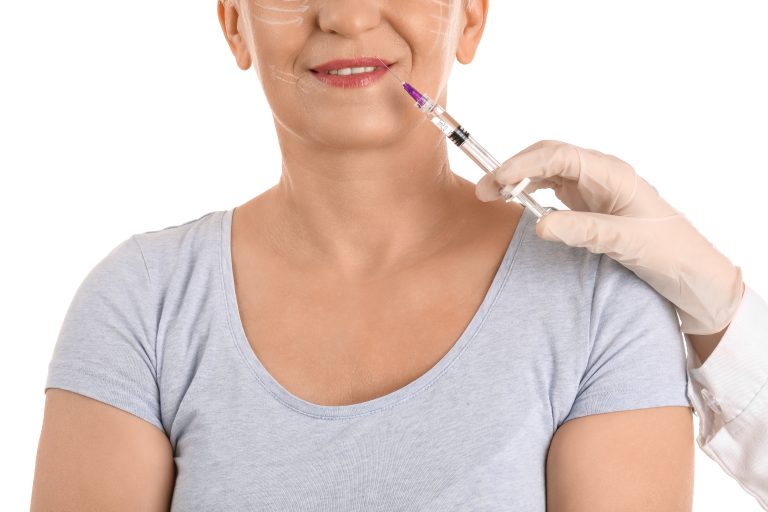

In the United States, two gels in the range hold FDA approval for lip augmentation: Juvéderm Ultra XC and Juvéderm Volbella XC. Both are cross-linked hyaluronic acid (HA) gels containing 0.3% lidocaine, approved for patients 21 and older. Every other gel in the family carries a different approved area, so placing it in the lip is off-label use. That single fact shapes how a Juvéderm lip filler case is consented, documented and defended. This briefing covers formulation differences, screening, the expected swelling course, and how to recognize vascular compromise fast.
The Short Version
- Two US lip indications: Ultra XC and Volbella XC, ages 21 and up.
- Concentration drives feel: Volbella sits at 15 mg/mL HA, the Ultra gels near 24 mg/mL.
- Off-label is not prohibited: but it must be named as such in the record.
- Lips swell more than most sites: peak within the first 72 hours is normal.
- Hyaluronidase on site, always: with a written vascular occlusion protocol the whole team knows.
Juvéderm Lip Filler Options Approved in the US
Approved indication, not marketing category, decides what is on-label. The table below summarizes concentrations and gel technology reported in manufacturer product information, alongside the US status relevant to lip work. Confirm current labeling before you build a treatment menu, since indications are expanded and revised over time.
| Formulation | HA concentration | Gel technology | Relevance to lip treatment in the US |
|---|---|---|---|
| Volbella XC | 15 mg/mL with 3 mg/mL lidocaine | Vycross | Approved for lip augmentation and correction of perioral lines, ages 21+ |
| Ultra XC | About 24 mg/mL with lidocaine | Hylacross | Approved for lip augmentation and for moderate to severe facial folds, ages 21+ |
| Ultra Plus XC | About 24 mg/mL, more cross-linked | Hylacross | Approved for facial wrinkles and folds; lip placement is off-label |
| Vollure XC | Per manufacturer information | Vycross | Approved for nasolabial folds; lip placement is off-label |
| Voluma XC | About 20 mg/mL | Vycross | Approved for cheek and chin augmentation; lip placement is off-label |
| Volift, Volite, Ultra Smile | 17.5, 12 and label-stated values | Vycross / Hylacross | Non-US market presentations; not FDA approved for any indication |
The last row matters for buyers. European-market cartons such as Volbella With Lidocaine 15 mg/mL are CE-marked presentations with their own instructions for use, and they are not interchangeable with US-labeled syringes from a regulatory standpoint. For a wider view of the range and its approved areas, see this overview of what Juvéderm is and how it is used.
Why it matters: Writing “off-label, patient informed” in the chart takes five seconds and removes most of the later argument.
Matching Gel to Goal: Definition, Volume, or Perioral Lines
Start from the aesthetic goal, then work back to the gel. Patients asking for a crisper vermilion border, softening of fine upper-lip lines, or a first-time, conservative result are usually matched to the lower-concentration option. Patients asking for visible fullness, more body in the vermilion, or correction of a thin lower lip are usually matched to the higher-concentration Ultra gel.
Decision factors worth recording
- Desired projection: definition and hydration versus added volume.
- Baseline tissue: thin, mobile lips tolerate less volume per session.
- Swelling tolerance: patients with fixed social commitments may prefer a softer gel and a staged plan.
- Prior filler history: residual product changes how much new gel the compartment needs.
Manufacturer information describes Vycross gels as blending low and high molecular weight HA, with lower water uptake than the older Hylacross gels. Many injectors weigh that when early swelling is a concern, though individual response varies widely. A broader product-class comparison is covered in this piece on types of lip fillers and which option suits different goals, and the formulation-by-formulation detail is in the clinic-facing summary of Juvéderm formulations, safety and workflow.
Competitor HA gels hold their own lip indications. Restylane Kysse and Restylane Silk are approved in the US for lip augmentation, which gives clinics a second on-label pathway when tissue behavior or patient history points elsewhere; the Restylane brand range lists those presentations. Head-to-head superiority claims are not well supported, so frame the choice as fit, not ranking.
Patient Selection and Contraindications
Screening is where most avoidable complications are prevented. Labeling for HA fillers lists contraindications including a history of severe allergy or anaphylaxis, hypersensitivity to lidocaine or other amide anesthetics, and hypersensitivity to Gram-positive bacterial proteins used in HA manufacture. The FDA’s overview of risks and approved uses for soft tissue and dermal fillers is a useful reference point for consent discussions.
Defer or decline treatment when there is active infection or inflammation at or near the injection site, including an active cold sore. Labeling also flags a history of herpes labialis, since needle trauma can trigger reactivation; handle prophylaxis through your own clinical protocol. Bleeding risk from anticoagulants, antiplatelet agents or supplements increases bruising, and safety in pregnancy and breastfeeding has not been established.
Two further groups deserve a slower conversation. Patients with a history of delayed-onset nodules after any HA filler need that documented before more product goes in. Patients whose goals are disproportionate to their anatomy, or who describe distress about a feature others do not notice, are better served by a deferred decision than a syringe. Screening notes belong in the chart, not just in memory.
Technique-Relevant Considerations from Published Guidance
Published anatomy and consensus work, not this page, should guide your hands; hands-on training and institutional protocol come first. What the literature consistently emphasizes is the vascular map. The superior and inferior labial arteries usually run submucosally within the lip body, but their depth and course vary between patients and between sides, which is why no injection plane is universally safe.
Practical risk-reduction themes that appear across consensus guidance include:
- Inject slowly, with low plunger pressure, in small aliquots.
- Prefer retrograde delivery and keep the needle or cannula moving.
- Stage larger corrections across visits rather than overfilling in one session.
- Stop immediately on blanching, disproportionate pain, or any unexpected resistance.
- Document product, lot, expiry and volume placed at each anatomic site.
Cannula versus needle remains an injector-level decision with trade-offs on both sides. Whatever the instrument, the recovery plan matters as much as the placement plan. Review your clinic’s approach alongside wider reading in the injection safety collection.
Expected Course: Swelling, Settling, and Duration
Lips swell more than almost any other injected site, and patients should hear that before treatment, not after. Edema typically peaks in the first 24 to 72 hours and then declines, with most visible swelling resolved within about two weeks. Asymmetry during that window is common and is rarely a reason to add product. A detailed timeline is set out in this article on lip filler swelling stages and follow-up.
On longevity, the pivotal study data behind Volbella XC described improvement in lip fullness persisting up to one year in treated patients, and Ultra XC labeling also describes results lasting up to a year. Real-world duration is shorter for many patients, because the lip is a high-motion, well-perfused area. Metabolic rate, volume placed, product choice and prior treatment all shift the answer, which is why duration is discussed as a range and not a promise. Comparative figures across gels are summarized in this piece on how long lip fillers last and what changes duration.
Book the review at two weeks. That visit is the point to photograph, assess settled contour, and decide whether a small top-up is warranted. Refinement decisions made at day three are usually decisions made on edema.
Vascular Occlusion: Recognition and Escalation
Intravascular injection is the complication that turns a routine lip appointment into an emergency. Recognition is clinical and time-critical. Warning signs include immediate blanching that does not refill, pain out of proportion to the procedure, dusky or mottled reticulated discoloration, delayed capillary refill, and later blistering or crusting along a vascular territory.
Every room where filler is injected should have a written protocol and hyaluronidase immediately accessible. Typical escalation steps across published consensus guidance are: stop injecting, assess perfusion, flood the affected territory and its supply with hyaluronidase, apply warmth and gentle massage, reassess at short intervals, and repeat dosing until perfusion returns. Note that hyaluronidase use for filler dissolution is itself off-label in the US. Any visual change, ocular pain, ptosis or neurologic symptom is an emergency referral, not a wait-and-see; retrograde embolization to the ophthalmic circulation has been reported after facial filler injection, including perioral treatment.
Delayed problems need a different pathway. Late-onset nodules, sometimes appearing weeks to months after treatment and occasionally after illness, vaccination or dental work, are managed on their own footing and may involve dissolution. Keep reversal agents and related supplies tracked alongside your filler stock; the dermal filler removal collection lists that category.
Quick tip: Run a five-minute occlusion drill at a staff meeting so the kit location is muscle memory, not a search.
Storage, Documentation, and Sourcing
Manufacturer information for these gels directs storage at controlled room temperature, generally up to 25°C (77°F), protected from sunlight and freezing. Confirm the figure on the carton insert for the exact presentation you hold, since storage statements differ between markets. Syringes are single-use and sterile; do not resterilize, and discard any syringe with damaged packaging, a compromised seal or an expired date.
Documentation should capture product name, lot number, expiry, volume per anatomic site, instrument used, consent, baseline and post-treatment photography, and any off-label designation. Lot capture is what makes a recall or an adverse event report actionable months later.
On procurement, confirm that the presentation you are buying matches the regulatory pathway you intend to practice under, and verify approved indications directly in the FDA’s device approval records rather than relying on a product description; the agency’s searchable premarket approval database is the primary reference. Med Wholesale Supplies is a wholesale supplier of aesthetic, orthopedic and medical products to clinics, hospitals and medical professionals, operating since 2013; the Juvéderm brand hub lists the presentations it stocks, and the dermal fillers category covers the wider HA range for comparison.
Clinic Checklist for Lip Augmentation Visits
- Confirm age and indication: 21 and over, with the approved area checked against the label.
- Screen allergies and anesthetics: amide anesthetic and bacterial protein hypersensitivity, prior filler reactions.
- Check the site: no active infection, inflammation or cold sore.
- Name off-label use: in the consent and in the note, where applicable.
- Photograph before and after: standardized lighting and angles.
- Record lot and volume: per syringe and per anatomic site.
- Verify the occlusion kit: hyaluronidase in date, protocol posted, team briefed.
- Schedule the two-week review: assess settled contour before any top-up.
Used within its approved indications and with a rehearsed complication pathway, this gel family remains one of the better-characterized options for lip work. The judgment that separates good outcomes is mostly made before the needle, in selection and consent. Further clinical reading sits in the dermal fillers article collection.
This content is for general informational purposes only and is not a substitute for professional medical advice, diagnosis, or treatment. Always consult a qualified clinician or pharmacist about your situation, and seek urgent care or call your local emergency number for severe or worsening symptoms.