
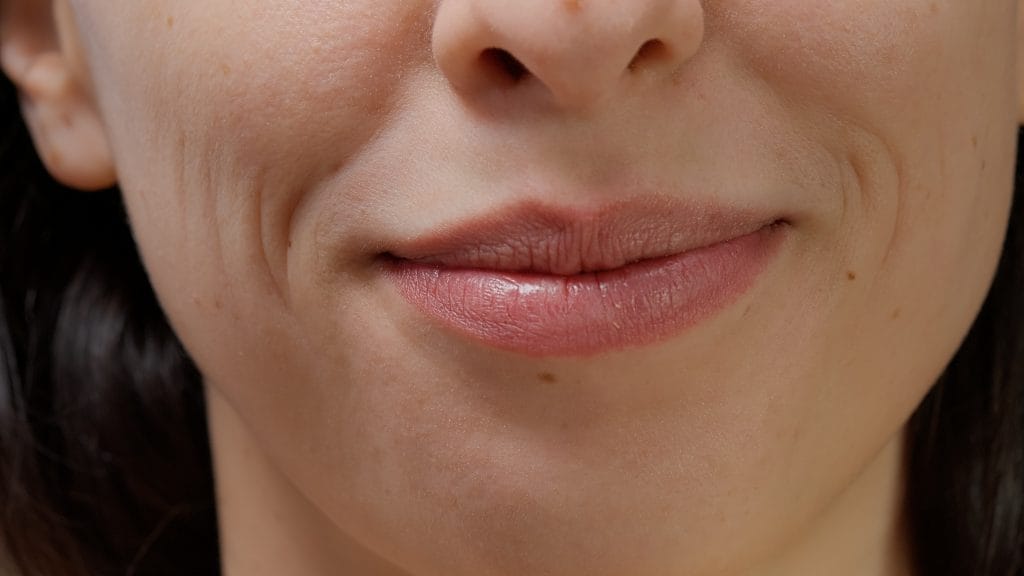
Lip filler for cupid’s bow can help define the central upper-lip contour when a patient’s existing anatomy, goals, and risk profile support treatment. It usually refines visible landmarks rather than creating a completely new lip shape. For clinic teams, the key question is not only whether filler can add definition. It is whether the plan respects anatomy, product properties, consent, safety protocols, and documentation.
This topic matters because the central upper lip is small, mobile, and vascular. Subtle changes can improve balance, while poor planning can create asymmetry, migration, or an unnatural border.
Key Takeaways
- Cupid’s bow filler usually enhances an existing upper-lip shape.
- Assessment should cover anatomy, expectations, prior filler, and medical risk factors.
- Soft hyaluronic acid fillers are often considered, but product choice must follow labeling and clinic protocol.
- Safety planning should include vascular risk recognition, escalation steps, and clear aftercare instructions.
- Documentation should connect aesthetic intent, product traceability, consent, and follow-up.
Lip Filler for Cupid’s Bow in Clinical Planning
The Cupid’s bow is the paired peak at the center of the upper vermilion border. It sits below the philtrum, the vertical groove between the nose and upper lip. The shape depends on soft-tissue volume, dental support, lip movement, skin quality, and the patient’s natural philtral columns.
Filler can make the bow appear more visible by supporting nearby landmarks. A plan may aim to sharpen the vermilion border, improve symmetry between the peaks, or support the central tubercle, which is the fuller central part of the upper lip. These goals differ from broad lip volumization. They require restraint because a small change can alter the whole upper-lip expression.
It is important to set expectations early. Filler can enhance and balance the visible bow, but it cannot reliably create the same shape in every patient. Baseline anatomy limits what is realistic. Skeletal support, tooth show, lip length, and tissue laxity all influence the result. In some cases, another approach may better match the stated goal.
Many clinics place this discussion inside a broader Facial Aesthetic Planning workflow. That helps the team assess the lips in relation to the chin, nose, perioral skin, and lower-face proportions. It also reduces the risk of treating a small feature while missing the wider aesthetic context.
Assessing Fit Before Product Selection
The right patient fit is not defined by the bow alone. A consultation for lip filler for cupid’s bow should document the patient’s goal, baseline lip pattern, prior procedures, relevant history, and tolerance for a subtle versus visible change.
Anatomy, Goals, and Proportional Fit
Start with the patient’s resting lip shape and dynamic movement. The Cupid’s bow can look different during speech, smiling, pursing, and relaxation. A bow that appears flat at rest may still have strong definition during movement. Conversely, a sharply peaked bow at rest may look strained if over-supported.
Assess upper-to-lower lip ratio, philtral length, vermilion show, commissure position, and perioral support. A defined bow may look balanced when the lower lip has enough support. It may look top-heavy when the upper lip is treated in isolation. This is where facial proportion review protects the result from looking disconnected.
Expectation setting also deserves time. Some patients use images that show makeup, lighting, surgical lip lifts, or digital editing. Others ask for a dramatic peak when their natural anatomy supports only mild definition. The clinic record should reflect the difference between requested shape, feasible change, and agreed treatment objective.
History and Risk Review
Medical and procedural history can change the risk discussion. Active local infection or inflammation generally warrants deferral according to clinician judgment and clinic policy. Prior filler, previous complications, scar tissue, dental work, and recurrent cold sores should be reviewed before treatment planning.
If antiviral prophylaxis is considered for a patient with recurrent herpes labialis, an authorized prescriber should determine the medication and dose. Internet dosing shortcuts are not a substitute for clinic policy, prescribing authority, or the patient’s medical record.
- Prior filler history: record product type if known.
- Bleeding risk factors: review medicines and supplements per policy.
- Cold sore history: document recurrence pattern and prescriber plan.
- Local skin status: defer when infection or inflammation is present.
- Allergy history: review relevant anesthetic or product components.
- Expectation fit: confirm that subtle definition is acceptable.
Filler Properties That Matter Around the Upper Lip
For lip filler for cupid’s bow, product choice should follow anatomy, intended tissue effect, labeling, and local regulatory requirements. It should not be driven by brand familiarity alone. The upper lip is highly mobile, so integration, flexibility, and palpability matter.
Hyaluronic acid fillers are commonly used in lip treatment because they can offer soft tissue support and are generally more reversible than non-hyaluronic acid options through hyaluronidase protocols. That does not make them risk-free. Reversibility is a safety tool, not a substitute for assessment, technique, and emergency readiness.
Rheology, meaning how a gel flows and resists deformation, can affect how filler behaves in a small contour zone. A product that is useful for deeper structural support may not behave the same way at the vermilion border. A very soft product may integrate smoothly, yet it may provide less visible edge support. These are clinical judgment calls, not universal product rankings.
For broader background, the Types Of Lip Fillers resource can help teams compare common filler categories without treating one option as universally suitable. Product-level review may also include item pages such as Fillmed ART Filler Lips Soft when teams need to check product details against clinic protocols and labeling.
Quick tip: Separate aesthetic intent from product choice before reviewing inventory.
Safety Concerns Specific to Upper-Lip Definition
Upper-lip definition is elective, but it is not low-stakes. The lip region has variable vascular anatomy, thin soft tissue, and constant movement. A small-volume, contour-focused treatment can still carry meaningful risk.
Potential adverse events include swelling, bruising, tenderness, asymmetry, lumps, infection, delayed inflammatory reactions, and migration. More serious vascular events can occur if filler compromises blood flow. Clinics should train teams to recognize disproportionate pain, blanching, livedo-like color change, delayed capillary refill, ulceration, or visual symptoms as urgent warning signs that require immediate escalation according to protocol.
Why it matters: A subtle cosmetic target can still require a high-consequence emergency plan.
Risk reduction starts before the procedure. Consent should describe common and serious risks in plain language. The record should note the assessment, product selected, lot details, injection areas, observed tolerance, and aftercare instructions. Emergency supplies and escalation contacts should be accessible where injectable procedures occur.
Clinic teams can use Dermal Filler Safety Protocols as a broader framework for injectable risk planning. After treatment, written instructions should explain expected local effects and symptoms that require urgent contact. The Post-Treatment Care resource covers general aftercare concepts that clinics can adapt to their own policies.
Migration is also relevant around the upper lip. Overcorrection, repeated treatment without reassessment, and tissue movement can contribute to filler appearing outside the intended contour. If a patient returns with upper-lip fullness above the border or loss of crisp definition, reassessment should precede any additional filler. For deeper context, review Migrated Filler Recognition and Dermal Filler Removal.
How Cupid’s Bow Filler Compares With Adjacent Options
Filler is one tool for upper-lip definition, but not every Cupid’s bow concern is a filler concern. The most useful comparison is between the patient’s stated goal and the tissue factor driving that concern.
- Lip border definition: filler may support the vermilion edge when anatomy allows.
- Central upper-lip volume: a broader lip plan may be needed, not only peak definition.
- Lip flip treatment: botulinum toxin may change upper-lip show by affecting muscle activity.
- Surgical lip lift: surgery changes upper-lip proportions and carries different risks.
- Skin quality concerns: resurfacing or skin-focused care may be more relevant.
A lip flip is often discussed alongside Cupid’s bow enhancement, but it is not the same procedure. It involves neuromodulator use rather than filler and targets muscle activity rather than soft-tissue volume. It may suit a different goal, and it requires its own consent, contraindication review, and follow-up process.
A surgical lip lift is also distinct. It can change the relationship between the nose and upper lip, but it involves incision planning, scarring considerations, and surgical recovery. Filler may refine contour, while surgery may address lip length or structural proportion. Neither option should be presented as universally superior.
For clinic teams, the practical comparison should stay neutral. Identify whether the concern is shape, volume, movement, skin quality, asymmetry, or prior filler. Then decide whether filler belongs in the plan, whether another modality is more appropriate, or whether the goal is not clinically realistic.
Clinic Workflow Snapshot for Documentation and Handling
Documentation for lip filler for cupid’s bow should make the aesthetic intent traceable. It should also support product accountability, follow-up, and adverse-event review. The workflow does not need to be complex, but it should be consistent.
- Confirm scope: verify the procedure fits clinician training and clinic policy.
- Record baseline: capture standardized photos and the stated aesthetic goal.
- Review history: document prior filler, complications, medicines, and cold sore history.
- Complete consent: include expected effects, limitations, and serious risks.
- Check product: record labeling review, lot number, expiry, and storage conditions.
- Prepare safely: confirm asepsis, emergency materials, and escalation contacts.
- Document treatment: note areas treated and relevant clinical observations.
- Plan follow-up: provide aftercare instructions and review contact triggers.
Because MedWholesaleSupplies serves licensed clinics and healthcare professionals, procurement notes should align with clinic policy. The platform references vetted distributors and verified supply channels for brand-name medical products, which can support sourcing review without replacing the clinic’s own verification steps.
For inventory governance, clinic teams can review Sourcing Standards For Aesthetic Clinics. The Dermal Fillers category is a browseable list for comparing related product classes and item pages. Product navigation should remain separate from prescribing decisions, patient selection, and procedure planning.
Authoritative Sources
These references support conservative risk framing and general dermal filler safety context. Clinics should also follow local regulation, product labeling, and internal medical governance.
- For regulatory risk language, review the FDA overview of dermal filler risks and indications.
- For dermatology patient-safety context, see the American Academy of Dermatology filler information.
- For procedural safety considerations, review American Society of Plastic Surgeons dermal filler safety.
For clinical teams, the practical endpoint is a repeatable assessment. Define the desired change, confirm whether filler is the right tool, document risk review, and keep escalation pathways visible. When planned conservatively, lip filler for cupid’s bow is a contour-focused procedure that should sit inside a broader aesthetic and safety workflow.
This content is for informational purposes only and is not a substitute for professional medical advice.