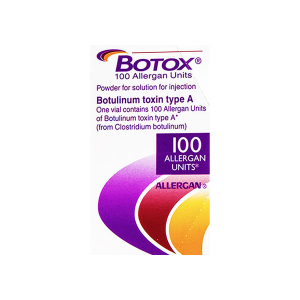
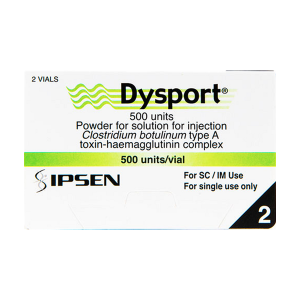

What Is Dysport? Clinical Uses, Safety, and Workflow
For clinic teams asking what is Dysport, the short answer is simple: Dysport is a prescription injectable form of abobotulinumtoxinA, a botulinum…

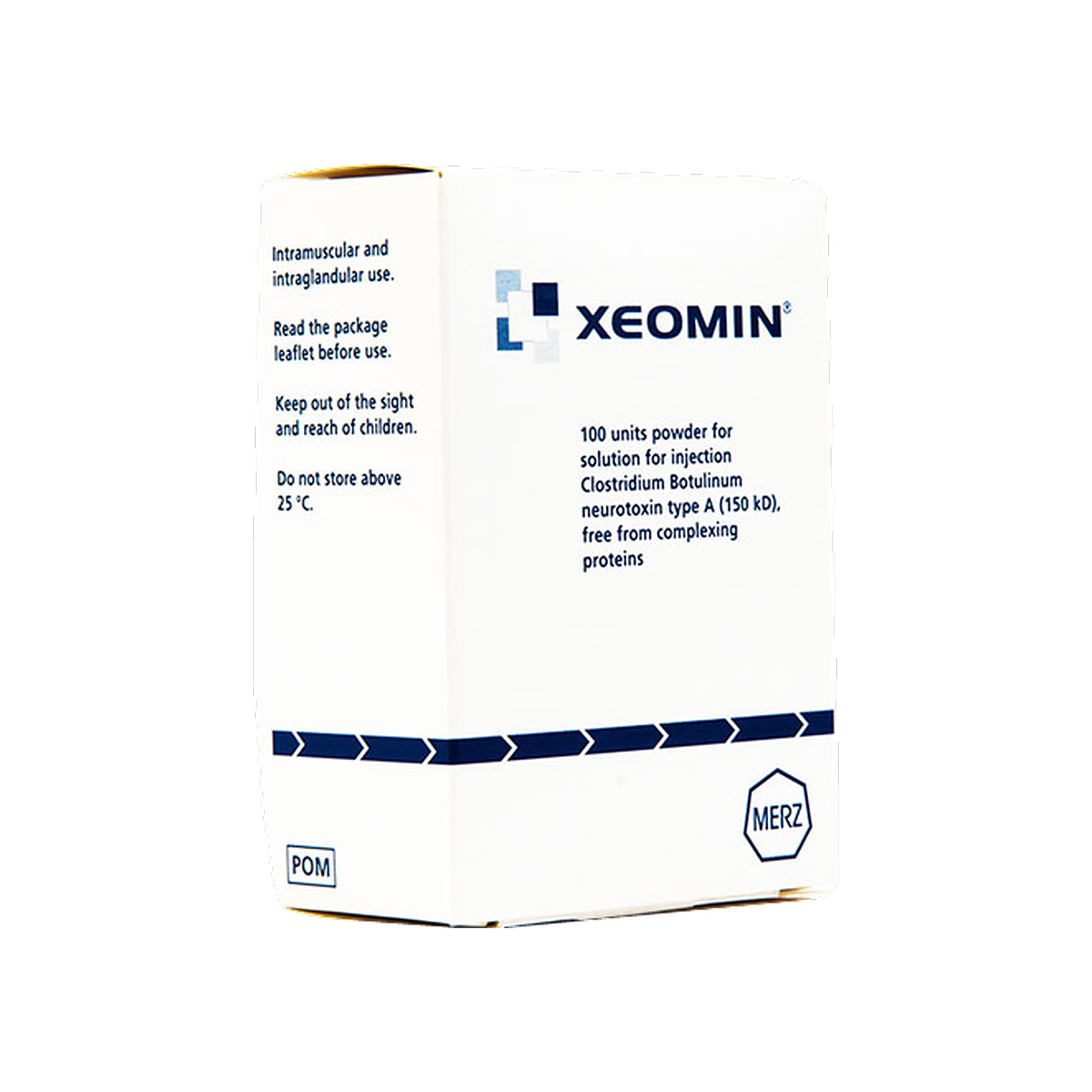
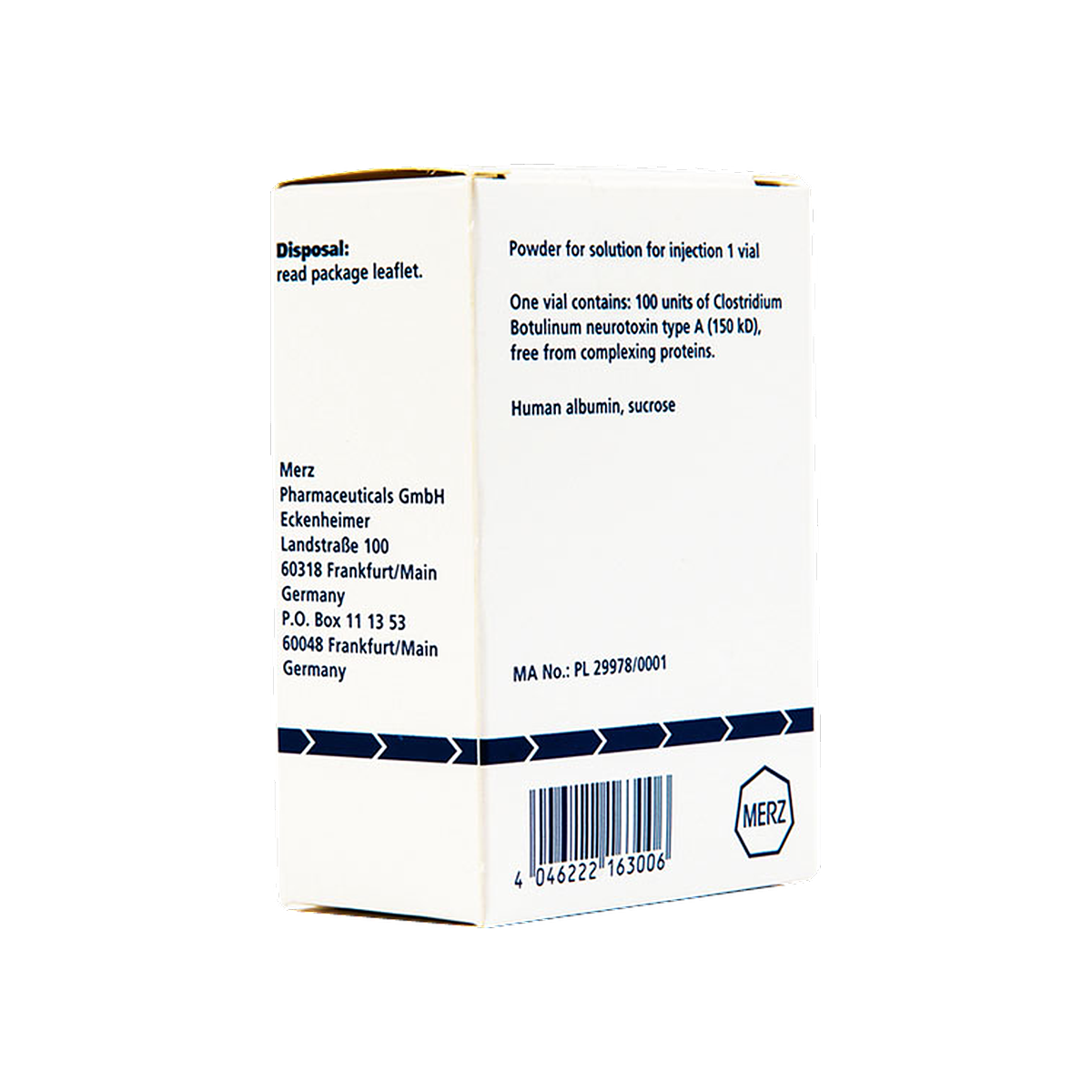
Merz Pharmaceuticals
Incobotulinumtoxina Injections
Free shipping on orders over $800
5% off your first order, applied at checkout
Order as a guest or log in. Your medical licence details are collected at checkout and checked against the state board and the NPI registry.
Enter your own figures: the U you use per treatment and what you charge per treatment. The table shows your product cost and margin per treatment at each quantity price. It does not suggest doses, prices or treatments.
| Quantity | Price per pack | Cost per unit | Cost per treatment | Margin per treatment |
|---|
Uses today's prices for the selected option before shipping and any other costs. Your figures stay in your browser.
Ships within 24–48 hours
Delivery typically 48–72 hours after shipping, up to 5–7 business days depending on origin and customs. Tracking is emailed when your order ships.
Warm or damaged on arrival?
Send us photos or a video. We investigate and arrange a replacement where needed.
Licence checks
Licences are checked against the state board and the NPI registry.
100% genuine products
In original manufacturer packaging, with lot numbers for full traceability. Lot numbers are shown on your packing slip and invoice.
250 active clinics · Supplying clinics since 2013
“Everything has been easy from ordering to delivery. The prices are good, orders arrive quickly, and the customer service has been great. I would definitely order from MWS again.”
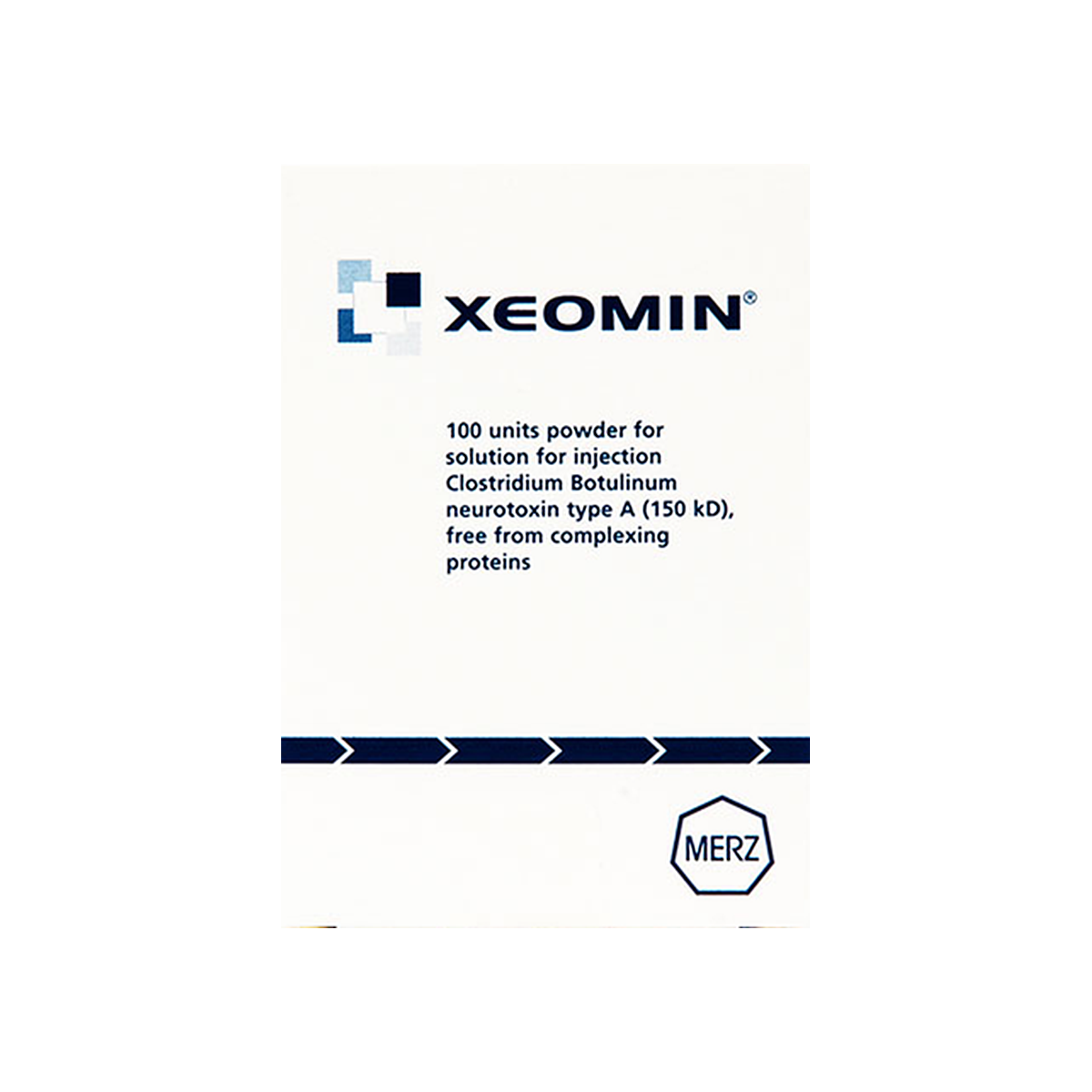
Xeomin® (incobotulinumtoxinA) is a botulinum toxin type A supplied as a lyophilized powder that is reconstituted with preservative-free saline before intramuscular or intraglandular injection. Licensed clinics, hospitals and healthcare professionals can order it for aesthetic and therapeutic injection programs, from glabellar line treatment to the neurologic and sialorrhea indications in the US labeling. Injection is performed only by clinicians trained in botulinum toxin technique and in the anatomy of the target muscles or glands.
IncobotulinumtoxinA blocks the release of acetylcholine at the neuromuscular junction by cleaving SNAP-25, a protein nerve endings need to release their signal. The treated muscle or gland receives less stimulation, which reduces contraction or secretion. The effect is temporary, because nerve terminals gradually recover function.
Clinical onset is usually seen within the first days after injection, and duration varies by indication, dose and injection pattern. For moderate to severe glabellar lines, the US prescribing information states that treatment should not be repeated more often than every three months. Therapeutic indications follow their own labeled intervals and dose ranges, so each protocol should be written separately rather than carried over from aesthetic practice.
In an aesthetic treatment room, Xeomin sits alongside neuromodulators used for upper-face dynamic lines. In neurology, rehabilitation and ENT settings, the same molecule is used for cervical dystonia, blepharospasm, upper limb spasticity and chronic drooling. Units are specific to this preparation and cannot be converted from another botulinum toxin product.
The US labeling for Xeomin covers chronic sialorrhea, upper limb spasticity, cervical dystonia, blepharospasm in patients previously treated with onabotulinumtoxinA, and moderate to severe glabellar lines in adults. Several of these indications include pediatric populations; the labeling defines the ages and dose limits that apply. Review the current prescribing information before building or revising a clinic protocol.
Injection of other facial areas, such as lateral canthal or forehead lines, is not part of the US labeling for this product. Any such use is off-label, is a clinical decision for the treating physician, and should be documented as off-label in the patient record. It is not promoted or recommended here.
Why it matters: Dose units, dilution and injection sites differ by indication, so one standing protocol cannot safely cover both aesthetic and therapeutic treatment.
Clinics can view current Xeomin wholesale pricing and select the vial quantity shown during ordering, then match that quantity to scheduled treatment days. Because reconstituted vials have a short in-use window, many practices order to a predictable injection calendar rather than holding long surplus. Group treatment sessions where possible so a reconstituted vial is used efficiently.
Ordering is intended for licensed clinics and healthcare professionals, and professional-use ordering or clinic documentation requirements may apply. We may review order details before processing. Med Wholesale Supplies is a wholesale supplier of aesthetic, orthopedic and medical products to clinics, hospitals and medical professionals, operating since 2013.
When planning inventory, account for the number of injectors on staff, typical units used per indication, and the lead time your practice needs between restock cycles. Keep a simple log of vials on hand with lot numbers and expiry dates so stock rotation is predictable.
Reconstitution is performed with preservative-free 0.9% sodium chloride injection using aseptic technique. The prescribing information instructs that the vial be reconstituted gently rather than shaken vigorously, and that vials showing no vacuum draw of diluent not be used. Vials are single-use and contain no preservative, so each reconstituted vial should serve one session.
Per US labeling, unopened vials may be stored at room temperature, refrigerated, or frozen within the ranges stated on the label, while reconstituted product is kept refrigerated and used within 24 hours. Label each reconstituted vial with the date and time of reconstitution. Confirm the storage figure on the carton against your own treatment-room records.
The US prescribing information carries a boxed warning for distant spread of toxin effect. Symptoms such as generalized muscle weakness, swallowing difficulty, speech changes or breathing problems can appear hours to weeks after injection, and have been reported with doses comparable to those used for cervical dystonia as well as lower doses. Counsel patients and caregivers to seek urgent care if these symptoms occur.
Xeomin is contraindicated in patients with known hypersensitivity to botulinum toxin preparations or any component of the formulation, and in patients with infection at the planned injection site. Document these checks as part of your pre-treatment assessment.
Reported adverse reactions depend on the indication and injection site. In glabellar line treatment, headache is among the most commonly reported effects. In cervical dystonia, dysphagia, neck pain and muscle weakness are reported; in blepharospasm, eyelid ptosis, dry eye and dry mouth; in chronic sialorrhea, dry mouth and swallowing difficulty; in upper limb spasticity, injection site pain and falls. Local injection site reactions, bruising and transient weakness of nearby muscles can occur in any setting.
Caution is advised with aminoglycoside antibiotics and other agents that interfere with neuromuscular transmission, including curare-like compounds and muscle relaxants, because they may potentiate toxin effects. Anticholinergic medicines may add to systemic anticholinergic effects when treating sialorrhea. Take a full medication history, including recent botulinum toxin from any source, before injecting.
Monitoring is mostly clinical. Review swallowing, breathing, eyelid function and muscle strength at follow-up, assess response before scheduling retreatment, and keep treatment intervals within labeled limits. Advise patients to contact the clinic promptly if weakness, vision change, voice change or swallowing difficulty develops after injection, and to seek emergency care for breathing problems.
All botulinum toxin type A products act on the same pathway, but they are not interchangeable in units, dilution or labeled indications. Doses cannot be converted between brands, and each product has its own storage, reconstitution and retreatment guidance. Clinics that stock more than one neuromodulator should keep separate written protocols and separate storage positions to reduce selection error.
The manufacturer describes incobotulinumtoxinA as a formulation free from complexing proteins. That is a formulation characteristic, not a claim of superior results or duration. Product choice in practice usually comes down to the indications a clinic treats, the storage conditions the labeling allows, injector familiarity and ordering logistics.
Before each session, confirm patient identity, indication, consent and any change in medical or medication history. Record the lot number, expiry date, diluent volume, total units injected and each injection site in the chart. These entries support continuity between injectors and are important if an adverse event is later reported.
Staff readiness matters as much as stock. Injectors should be trained in the relevant anatomy and dosing for each indication they treat, and clinical staff should know how to triage a post-injection call about swallowing, breathing or vision. Keep the current prescribing information accessible in the treatment area, and review it whenever the labeling is updated.
Quick tip: Keep a written reconstitution card at the preparation station so diluent volume and concentration stay consistent across staff.
This content is for general informational purposes only and is not a substitute for professional medical advice, diagnosis, or treatment. Always consult a qualified clinician or pharmacist about your situation, and seek urgent care or call your local emergency number for severe or worsening symptoms.
Ordering is intended for licensed clinics, hospitals, med spas and healthcare professionals who administer botulinum toxin injections. Professional-use ordering or clinic documentation requirements may apply, and we may review order details before processing. Injection should be performed only by clinicians trained in the technique and anatomy for the indication being treated.
No. The US prescribing information states that units of incobotulinumtoxinA are specific to this preparation and are not interchangeable with other botulinum toxin products. Doses cannot be converted between brands. Clinics stocking more than one neuromodulator should keep separate protocols, separate storage positions and clear labeling to avoid selection errors.
Follow the storage ranges printed on the carton and in the current prescribing information. The US labeling allows unopened vials to be kept at room temperature, refrigerated or frozen within the stated ranges. Once reconstituted with preservative-free 0.9% sodium chloride, the product is kept refrigerated and used within 24 hours. Label each vial with the date and time of reconstitution.
Confirm the lot number and expiry date against the packing documentation, inspect cartons and vials for damage or broken seals, and record the stock in your inventory log. Store vials in their original carton under the labeled conditions until the day of use, and rotate stock so earlier expiry dates are used first.
It is contraindicated in patients with known hypersensitivity to botulinum toxin preparations or any formulation component, and in patients with infection at the planned injection site. Extra caution applies with pre-existing neuromuscular disorders such as myasthenia gravis, Lambert-Eaton syndrome, ALS or motor neuropathy, and with existing swallowing or breathing difficulty. The labeling carries a boxed warning for distant spread of toxin effect.
For moderate to severe glabellar lines, the US prescribing information states that treatment should not be repeated more often than every three months. Therapeutic indications such as cervical dystonia, blepharospasm, upper limb spasticity and chronic sialorrhea have their own labeled intervals and dose limits. Assess clinical response before scheduling any retreatment.
It contains incobotulinumtoxinA in a purified, accessory protein–free formulation. Many teams appreciate the consistent reconstitution process, predictable workflow fit, and clear vial labeling for lot and expiry capture. These attributes support scheduling efficiency, training, and inventory control. Selection should ultimately reflect prescriber experience, patient profiles, and your clinic’s formulary guidance across botulinum toxin options.
Clinics implement structured mapping and dilution protocols under prescriber oversight. It is used in aesthetic sessions and in specialty clinics for neuro-focused indications, following labeling and local regulations. Most facilities align room setup, documentation, and follow-up intervals to their internal SOPs. Product choice is often informed by injector familiarity, desired handling characteristics, and overall program design.
Use sterile technique and reconstitute with 0.9% sodium chloride per the manufacturer’s instructions. Prepare only the amount needed for the session and adhere to single-use vial practices. Follow storage and in-use time guidance on the label and your facility’s policies. Maintain chain-of-custody documentation and record lot and expiration details in the patient record according to your quality procedures.
Duration varies by indication, dose, and injection pattern. In routine practice, many providers observe intervals often around three to four months for aesthetic schedules, with adjustments made per response and labeling. Actual timing should be individualized by the prescriber based on goals, tolerability, and prior response, and not all patients will follow the same interval.
Combined treatment plans are common in aesthetic practice. Sequencing and intervals depend on the anatomical goals, product classes involved, and clinician preference. Many teams schedule neurotoxin sessions first, then reassess tissue balance for adjunctive procedures. Final decisions should reflect labeling, professional standards, and your clinic’s protocol hierarchy for multi-modality care.
Multiple strengths are offered to accommodate different program needs. Each vial is a sterile, lyophilized powder for solution intended for intramuscular administration after reconstitution. Your purchasing team can confirm current presentations in the portal and select the option that aligns with the planned mapping and volume per session for your service mix.
Access is limited to licensed healthcare entities. Account verification typically includes clinic credentials and prescriber information as applicable. After approval, authorized users can view packs, contract tiers, and submit purchase orders. Pricing visibility and fulfillment options reflect your account status and negotiated terms. Always align ordering with your facility’s procurement policies and formulary controls.

MWS Customer Service Team
Our customer service team helps you choose the right pack, label option and quantity for your clinic, and sets up your first order.
Monday to Friday, 9am to 6pm ET
Why clinics order from MWS
Built for licensed clinics
Licences are checked against the state board and the NPI registry.
Every pack option named
Each option names its dosage and pack size, so you know which pack you are ordering.
Volume pricing up front
Quantity tiers are shown on the product, before you order.
Cold-chain packing
Refrigerated lines ship in thermo-packaging with enough ice packs to hold temperature for up to 10 days.
“The customer care team was very efficient in offering hand-held guidance to choose the most cost-effective options.”

For clinic teams asking what is Dysport, the short answer is simple: Dysport is a prescription injectable form of abobotulinumtoxinA, a botulinum…

Hooded eyes from Botox usually reflect temporary upper-face muscle imbalance, not a single diagnosis. The appearance may come from brow descent, true…

Glabellar lines are the vertical frown creases between the eyebrows, often called 11 lines. In clinical assessment, they matter because dynamic muscle…