Cold chain
Amgen
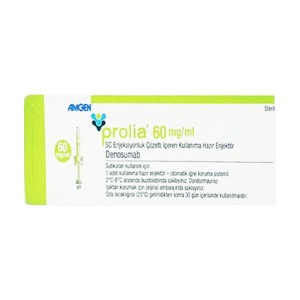
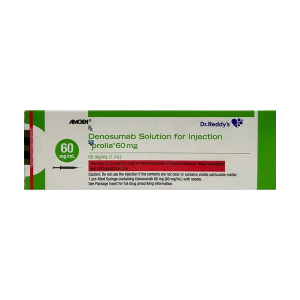
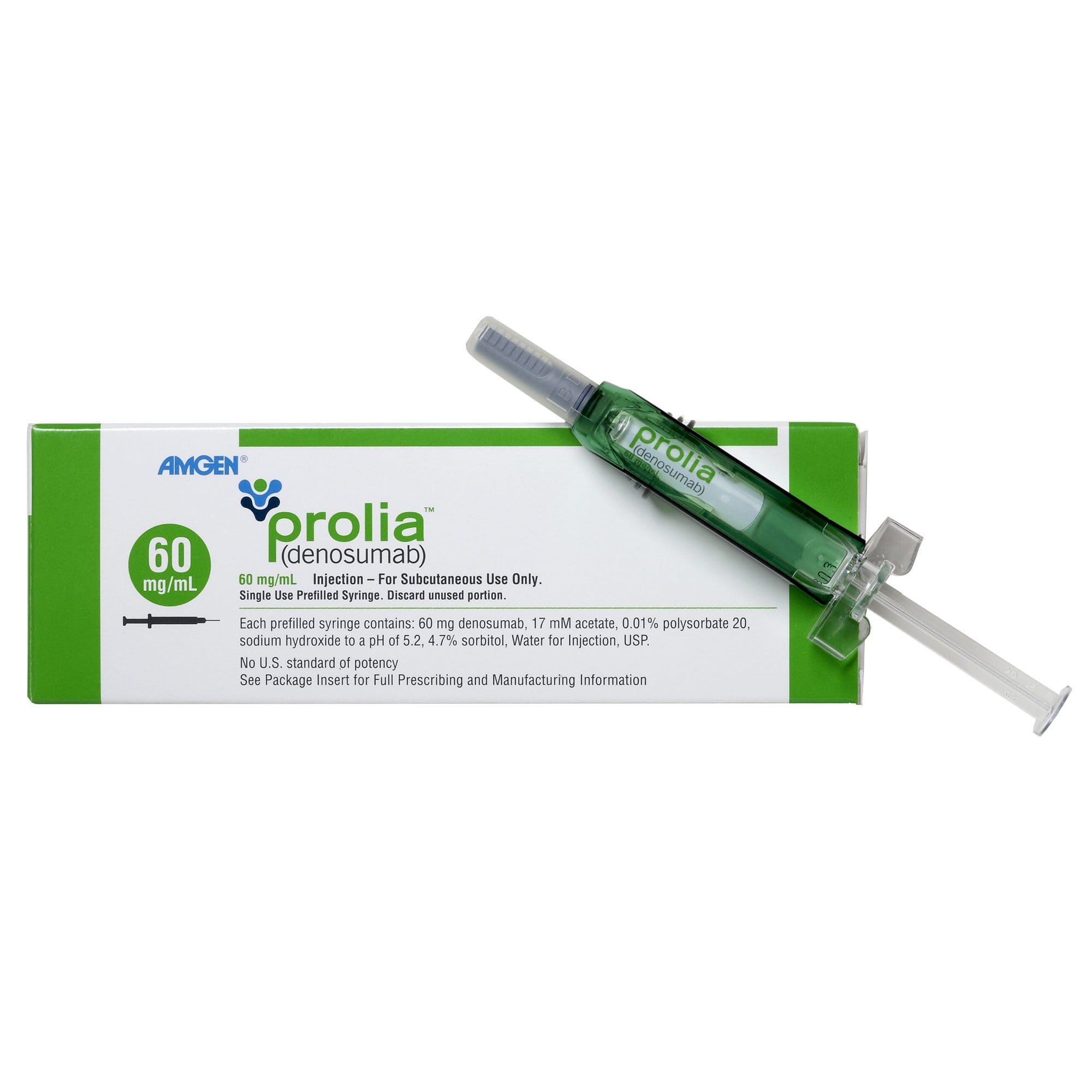
60 mg/mL1 x 60 mg/1ml Pre-filled SyringeFor licensed clinicsIn stock
Order Prolia® International English Prefilled Syringe for Clinics
Denosumab
Free shipping on orders over $800
5% off your first order, applied at checkout
Order as a guest or log in. Your medical licence details are collected at checkout and checked against the state board and the NPI registry.
Cold chain
Cool Temperature (2℃~8℃)
Ships in thermo-packaging with ice packs. Refrigerate on arrival.
Ships within 24–48 hours
Delivery typically 48–72 hours after shipping, up to 5–7 business days depending on origin and customs. Tracking is emailed when your order ships.
Warm or damaged on arrival?
Send us photos or a video. We investigate and arrange a replacement where needed.
Licence checks
Licences are checked against the state board and the NPI registry.
100% genuine products
In original manufacturer packaging, with lot numbers for full traceability. Lot numbers are shown on your packing slip and invoice.
250 active clinics · Supplying clinics since 2013
“Everything has been easy from ordering to delivery. The prices are good, orders arrive quickly, and the customer service has been great. I would definitely order from MWS again.”
We acceptVisa, Mastercard and American Express
Specifications at a glance
- Manufacturer
- Amgen
- Generic name
- Denosumab
- Size / strength
- 60 mg/mL
- Package content
- 1 x 60 mg/1ml Pre-filled Syringe
- Main ingredient
- Denosumab
- Drug class
- Osteoporosis Treatment
- Drug type
- Prescription Medication
- Storage
- Cool Temperature (2℃~8℃)
- Who can order
- For licensed clinics and healthcare professionals.
About Prolia® (International English)
Prolia (denosumab) is a RANK ligand inhibitor supplied as a 60 mg/mL single-dose prefilled syringe for licensed clinics, hospitals and healthcare professionals. It is used to reduce fracture risk in osteoporosis, given as one subcutaneous injection every six months by a trained clinician. This presentation carries international English labeling, so carton and leaflet wording may read differently from the US carton even though the active ingredient and strength are the same.
How denosumab works and where it fits in practice
Denosumab is a monoclonal antibody that binds RANK ligand, a protein that drives the formation and survival of osteoclasts. Blocking RANK ligand reduces osteoclast activity, slows bone resorption and increases bone mineral density at the spine and hip. The effect is antiresorptive rather than bone-building.
Unlike bisphosphonates, denosumab is not incorporated into the bone matrix. Its effect on bone turnover fades after the drug clears, which is why the six-month interval and continuity of therapy matter so much in clinic workflow.
In practice, a 60 mg every-six-month subcutaneous injection suits patients who struggle with oral dosing rules, have poor absorption, or cannot tolerate oral antiresorptives. Dosing is not adjusted for kidney function, but patients with advanced chronic kidney disease carry a higher risk of severe hypocalcemia and need closer calcium monitoring.
Labeled uses and the six-month dosing interval
Approved labeling for denosumab 60 mg covers treatment of postmenopausal women with osteoporosis at high risk of fracture, and increasing bone mass in men with osteoporosis at high risk of fracture. Labeling also covers glucocorticoid-induced osteoporosis in men and women at high risk, bone loss in men receiving androgen deprivation therapy for non-metastatic prostate cancer, and bone loss in women receiving adjuvant aromatase inhibitor therapy for breast cancer. Clinics should confirm the indications in the labeling supplied with the carton they receive.
The labeled regimen is 60 mg given subcutaneously once every six months into the upper arm, upper thigh or abdomen. Labeling also directs supplemental calcium and vitamin D for most patients during treatment, with the exception of hypercalcemia. Clinics can select the strength and quantity shown for the product when placing a clinic order, and we may review order details where professional-use documentation applies.
Why it matters: a reliable six-month recall system is part of safe use, not just scheduling convenience.
Patient selection, contraindications and precautions
Denosumab 60 mg and denosumab 120 mg contain the same active ingredient and must never be given together. Confirm the patient is not already receiving a denosumab product under another brand before any injection.
- Contraindicated in patients with hypocalcemia, which must be corrected before the first and every subsequent dose.
- Contraindicated in pregnancy, as labeling notes potential fetal harm.
- Contraindicated in patients with clinically significant hypersensitivity to denosumab.
- Serious infections, including skin, abdominal, urinary, ear and endocarditis cases, have been reported; weigh risk in immunosuppressed patients.
- Dermatologic reactions such as dermatitis, rash and eczema have been reported.
- Osteonecrosis of the jaw is a known risk; a dental examination before starting and good oral hygiene during treatment are advised, and invasive dental work raises risk.
- Atypical femoral fracture has been reported; ask about new thigh, hip or groin pain.
- Multiple vertebral fractures have been reported after stopping or delaying therapy.
- Malabsorption syndromes, parathyroid surgery and advanced kidney disease increase hypocalcemia risk.
- The needle cover of the prefilled syringe contains dry natural rubber, which matters for latex-sensitive patients.
Hypersensitivity reactions, including anaphylaxis, have been reported with denosumab. Treatment rooms should have appropriate emergency supplies and trained staff available whenever an injection is given.
Hypocalcemia, kidney function and monitoring
Severe hypocalcemia is the most important monitoring issue with denosumab, and labeling carries a boxed warning about severe, sometimes fatal hypocalcemia in patients with advanced chronic kidney disease, including those on dialysis. Risk is higher in patients with low baseline calcium, vitamin D deficiency or disordered mineral metabolism.
Correct hypocalcemia before each dose, and check serum calcium before administration. For patients with advanced kidney disease, labeling advises calcium monitoring within the weeks after injection, since symptoms can appear days to weeks later. Train staff to recognize numbness, tingling, muscle spasms, cramps and arrhythmia symptoms and to escalate quickly.
- Baseline and pre-dose serum calcium, with vitamin D status assessed.
- Kidney function review to identify advanced chronic kidney disease before the first dose.
- Documented calcium and vitamin D supplementation advice.
- Dental history and oral health check at baseline.
- A standing recall for the next six-month dose.
Receiving, storage checks and injection preparation
Prolia is a cold-chain product. Keep cartons refrigerated, protect from light and do not freeze or shake. On delivery, inspect the shipper, confirm the cold chain held, and record lot numbers and expiry dates against the clinic log before stock goes into the refrigerator.
Before injection, allow the syringe to reach room temperature naturally. Do not warm it with hot water, a microwave or any other heat source. Labeling allows the syringe to be held at room temperature in the original carton for a limited period, after which an unused syringe must be discarded, so note the removal date on the carton when stock leaves the refrigerator.
Inspect the solution before use. It should be clear and colorless to pale yellow, and may contain trace translucent to white proteinaceous particles. Do not use if the liquid is discolored, cloudy or contains foreign particles. Each syringe is single-dose only; discard any unused portion and place the device directly into a sharps container after activating the needle safety guard.
Discontinuation planning and follow-on therapy
Bone turnover rises above baseline after denosumab is stopped, and bone mineral density gains are lost. Multiple vertebral fractures have been reported in patients who stopped or delayed treatment, so discontinuation should be planned, not accidental.
Many clinicians arrange a follow-on antiresorptive when denosumab is ended, with timing based on the last injection date. Build a documented pathway for missed appointments, transfers of care and treatment breaks so no patient drifts past the dosing window unnoticed.
How it compares with related bone-health products
Clinics usually consider denosumab alongside other osteoporosis therapies rather than in isolation. Each option differs in mechanism, route and interval, and the choice belongs with the treating clinician.
| Option | Mechanism | Clinic-relevant difference |
|---|---|---|
| Denosumab 60 mg | RANK ligand inhibitor | Subcutaneous injection every six months; effect reverses after stopping |
| Denosumab 120 mg | RANK ligand inhibitor | Different strength, interval and oncology indications; not interchangeable with the 60 mg syringe |
| Bisphosphonates | Antiresorptive, bound to bone matrix | Oral or intravenous; residual effect persists after stopping; kidney function limits apply |
| Anabolic agents | Bone formation stimulation | Daily or monthly dosing, time-limited courses, usually followed by an antiresorptive |
Storage, administration training and treatment-room time differ across these products, so inventory and staffing plans should follow the mix your clinic actually uses.
Clinic ordering and inventory planning
Med Wholesale Supplies is a wholesale supplier of aesthetic, orthopedic and medical products to clinics, hospitals and medical professionals, operating since 2013. Clinic documentation or professional-use ordering requirements may apply for this product, and the medicine is supplied through licensed pharmacy channels.
Plan quantities around your six-month recall list rather than month-to-month demand, and keep refrigerator capacity and temperature logging in mind. Because the international English carton may read differently from the US version, confirm that the labeling and patient materials fit your consent and record-keeping workflow before the first clinic use.
Authoritative sources
This content is for general informational purposes only and is not a substitute for professional medical advice, diagnosis, or treatment. Always consult a qualified clinician or pharmacist about your situation, and seek urgent care or call your local emergency number for severe or worsening symptoms.
Frequently asked questions
How should clinic staff handle the syringe once it leaves the refrigerator?
Keep cartons refrigerated and protected from light until use, and do not freeze or shake them. Let the syringe reach room temperature on its own before injection, and never warm it with hot water or any heat source. Labeling allows a limited room-temperature period in the original carton, after which an unused syringe is discarded, so record the date it left the refrigerator.
What should be checked before each six-month dose?
Confirm serum calcium is corrected before administration, since hypocalcemia is a contraindication. Review kidney function, vitamin D status and calcium supplementation, and ask about new thigh, hip or groin pain and any planned dental procedures. Patients with advanced chronic kidney disease need closer calcium monitoring after the injection because of the boxed warning on severe hypocalcemia.
Is denosumab 60 mg interchangeable with the 120 mg presentation?
No. Both contain denosumab, but the 120 mg presentation has different strengths, intervals and labeled oncology uses. The two must never be given together, so confirm a patient is not already receiving another denosumab product before injecting.
What happens if a patient's dose is delayed?
Bone turnover rises above baseline once denosumab clears, and multiple vertebral fractures have been reported after stopping or delaying treatment. Keep a standing six-month recall, follow up on missed appointments, and refer the patient to the treating clinician to plan follow-on therapy if treatment ends.
Does international English labeling change the medicine itself?
The active ingredient and the 60 mg/mL single-dose prefilled syringe presentation are the same; carton text, leaflet language and local reference details may differ from the US version. Clinics should confirm the labeling supplied meets their documentation, consent and record-keeping requirements before use.
Questions clinics ask
What is included in the Prolia International English presentation?
Each pack contains one sterile, single-use prefilled syringe of denosumab 60 mg/mL in 1 mL, with English-language international labeling. Clinics should verify lot, expiry, and packaging details on receipt and follow the manufacturer’s current labeling.
Can clinics buy Prolia for osteoporosis programs through Med Wholesale Supplies?
Licensed clinics and healthcare professionals can order Prolia for professional use after account verification. Current pricing and volume tiers are visible to approved accounts after sign-in.
How should clinics store and handle Prolia?
Store the syringe refrigerated at 2°C to 8°C in its original carton, do not freeze, and follow the manufacturer label for any permitted time at room temperature. Receiving teams should move the product into refrigerated storage promptly and document lot information.
What is the best substitute for Prolia?
There is no single best substitute for every patient. Prescribers may consider approved denosumab biosimilars, other antiresorptive medicines, or anabolic agents based on fracture risk, kidney function, prior therapy, and formulary rules.
Is Jubbonti a replacement for Prolia?
Jubbonti is an FDA-approved interchangeable biosimilar to Prolia. Whether a clinic uses it as an alternative should be decided under institutional governance, state substitution rules, and the treating clinician’s plan.
What safety issues should staff monitor with denosumab injections?
Protocols commonly address calcium and vitamin D status, kidney function, dental risk, hypersensitivity, infections, atypical femur fractures, and the risk of multiple vertebral fractures if treatment is stopped or delayed.

MWS Customer Service Team
Ordering in volume or opening a clinic account? Talk to us.
Our customer service team helps you choose the right pack, label option and quantity for your clinic, and sets up your first order.
Monday to Friday, 9am to 6pm ET
Why clinics order from MWS
Built for licensed clinics
Licences are checked against the state board and the NPI registry.
Every pack option named
Each option names its dosage and pack size, so you know which pack you are ordering.
Volume pricing up front
Quantity tiers are shown on the product, before you order.
Cold-chain packing
Refrigerated lines ship in thermo-packaging with enough ice packs to hold temperature for up to 10 days.
“The customer care team was very efficient in offering hand-held guidance to choose the most cost-effective options.”