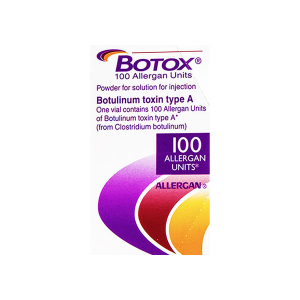
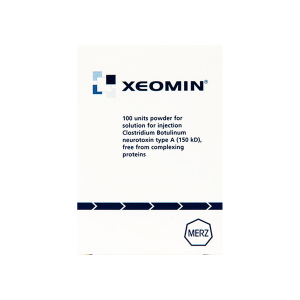

What Is Dysport? Clinical Uses, Safety, and Workflow
For clinic teams asking what is Dysport, the short answer is simple: Dysport is a prescription injectable form of abobotulinumtoxinA, a botulinum…


Galderma
Botulinum Toxin Type A
Free shipping on orders over $800
5% off your first order, applied at checkout
Order as a guest or log in. Your medical licence details are collected at checkout and checked against the state board and the NPI registry.
Enter your own figures: the U you use per treatment and what you charge per treatment. The table shows your product cost and margin per treatment at each quantity price. It does not suggest doses, prices or treatments.
| Quantity | Price per pack | Cost per unit | Cost per treatment | Margin per treatment |
|---|
Uses today's prices for the selected option before shipping and any other costs. Your figures stay in your browser.
Cold chain
Refrigerated between 2°C – 8°C
Ships in thermo-packaging with ice packs. Refrigerate on arrival.
Ships within 24–48 hours
Delivery typically 48–72 hours after shipping, up to 5–7 business days depending on origin and customs. Tracking is emailed when your order ships.
Warm or damaged on arrival?
Send us photos or a video. We investigate and arrange a replacement where needed.
Licence checks
Licences are checked against the state board and the NPI registry.
100% genuine products
In original manufacturer packaging, with lot numbers for full traceability. Lot numbers are shown on your packing slip and invoice.
250 active clinics · Supplying clinics since 2013
“Everything has been easy from ordering to delivery. The prices are good, orders arrive quickly, and the customer service has been great. I would definitely order from MWS again.”
Lot or batch numbers can be verified with the manufacturer, where applicable. They are also shown on your packing slip and invoice.
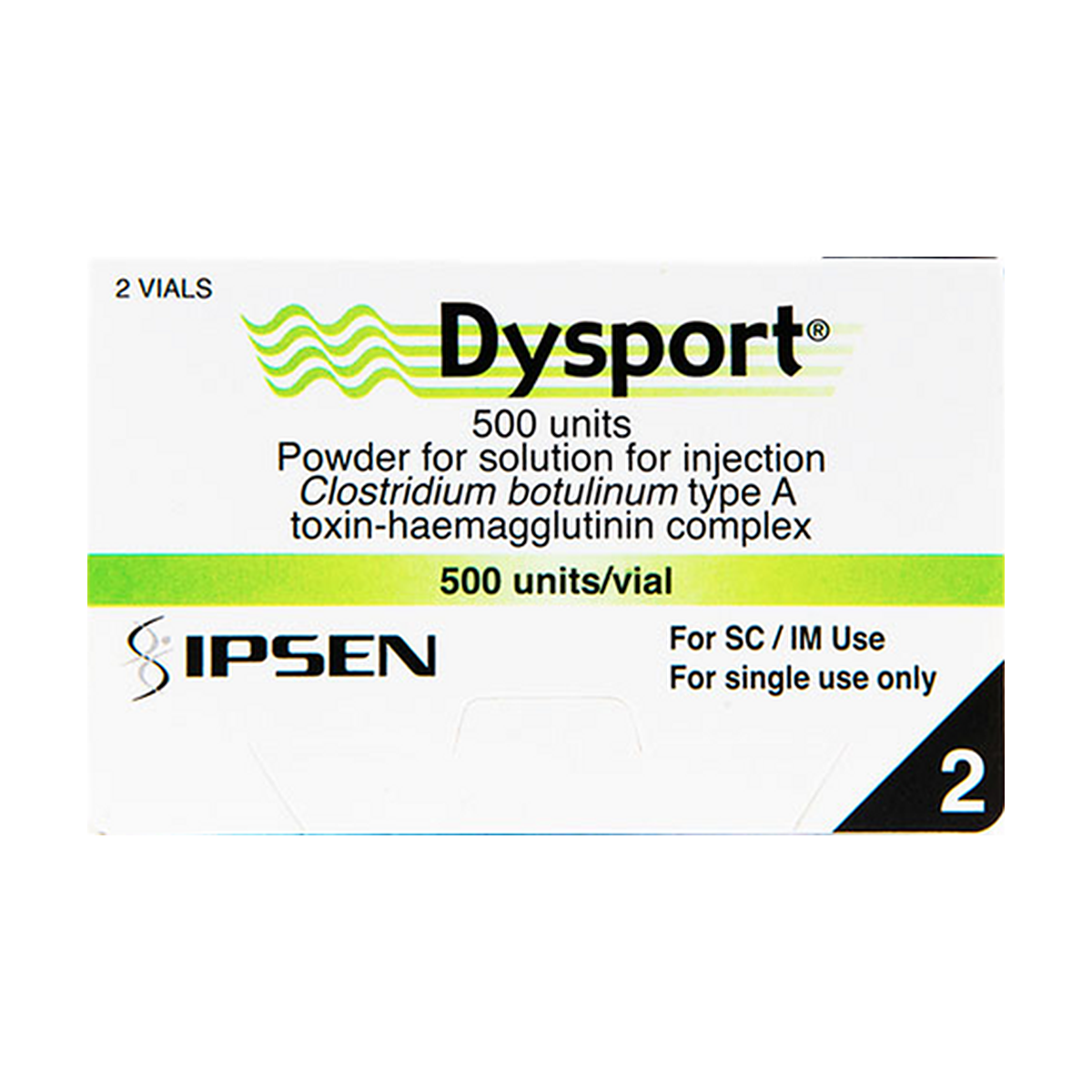
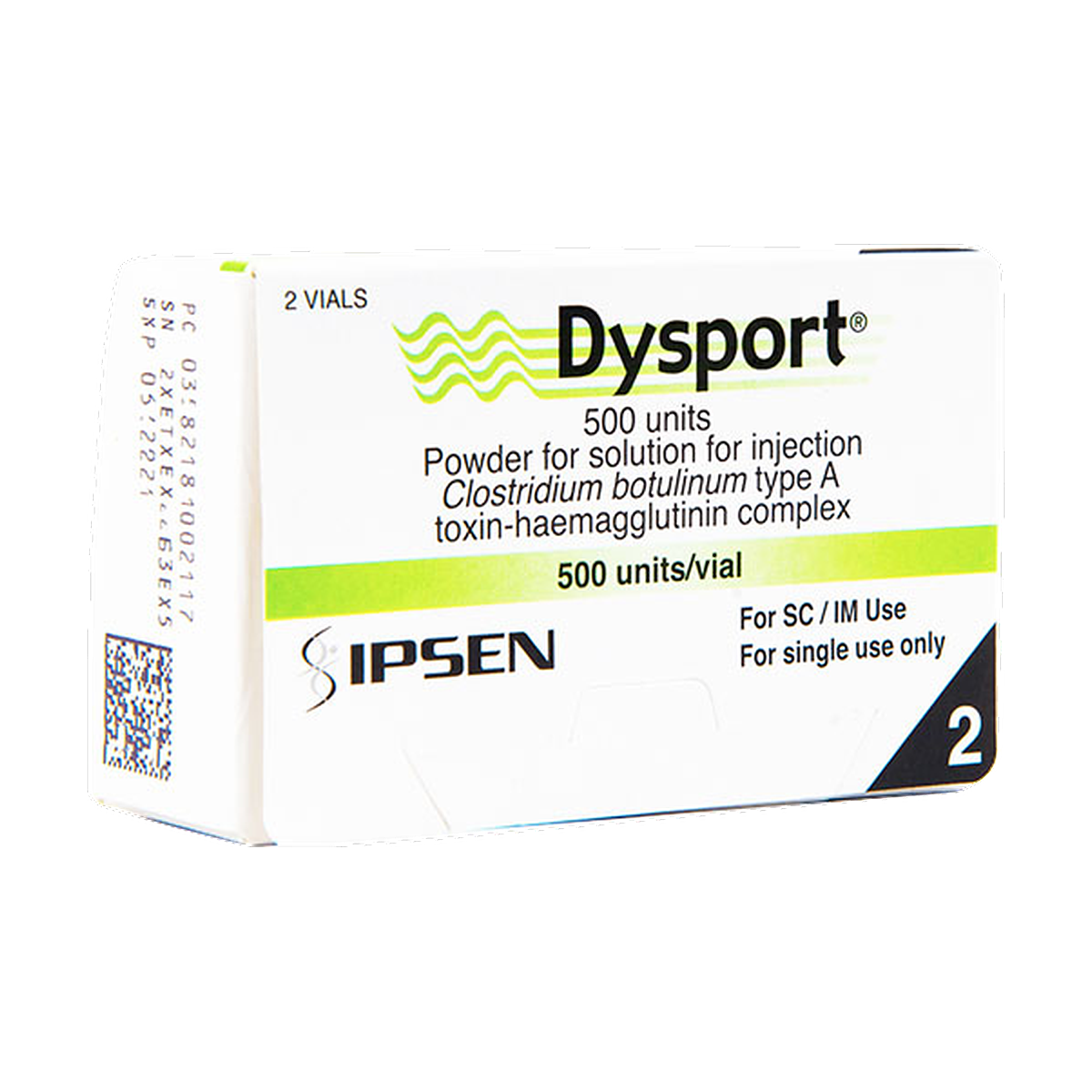
DYSPORT® (abobotulinumtoxinA) is an injectable botulinum toxin type A supplied as a sterile powder for reconstitution, stocked by licensed clinics and medical professionals in 300 Unit and 500 Unit vials. Under FDA-approved labeling it is indicated for temporary improvement of moderate to severe glabellar lines in adults under 65, for cervical dystonia in adults, and for upper and lower limb spasticity in adults and in pediatric patients aged 2 years and older. Most teams match vial size to weekly treatment volume, because reconstituted product is refrigerated and used within a short window rather than held as working stock.
Botulinum toxin type A blocks the release of acetylcholine at the neuromuscular junction. The treated muscle contracts less, which softens dynamic lines in aesthetic use and reduces abnormal muscle tone or pulling in cervical dystonia and spasticity. The effect is local, dose-dependent and temporary, so treatment is planned as a repeating series rather than a one-time procedure.
In aesthetic practice, Dysport sits alongside other neuromodulators in the upper-face toolkit and is injected into the glabellar complex using the pattern described in the prescribing information. In rehabilitation and neurology settings, it is used as part of a wider spasticity or dystonia plan that may also include physical therapy, bracing and oral agents. Injection technique, muscle selection and dose distribution belong to the treating clinician and the labeled dosing tables.
Onset and duration vary by indication, dose and the muscle treated, so clinics usually build follow-up and retreatment intervals into the booking workflow. For glabellar lines, the labeling states that retreatment should be no more frequent than every three months.
Dysport is a product for administration by trained healthcare professionals in a clinical setting, not for self-administration. Labeled uses include:
Any use outside these indications is off-label and is a clinician judgment made case by case; it is not a use this product is promoted for. Dosing units are specific to this preparation. Units of Dysport are not interchangeable with units of other botulinum toxin products, and converting a dose from one brand to another by simple ratio is not supported by the labeling.
Why it matters: a unit is not a universal measure, so staff who stock more than one toxin should keep dosing references product-specific.
Both presentations contain the same active ingredient and differ in total units per vial. The practical choice is usually driven by case mix and throughput rather than preference.
Because reconstituted product has a limited refrigerated shelf life, many clinics plan vial size around how many patients are booked in the same session. Clinics that buy Dysport wholesale often hold a mix of both sizes so a light day does not force opening a larger vial. Select the vial size needed during ordering and match it to the dosing plan and treatment schedule your clinicians use.
Screening happens before reconstitution, not after. The prescribing information lists clear contraindications:
Added caution applies to patients with pre-existing neuromuscular disorders such as myasthenia gravis, Lambert-Eaton syndrome or amyotrophic lateral sclerosis, who may be more sensitive to toxin effects including swallowing and breathing difficulty. Patients with existing dysphagia or compromised respiratory status, and those with inflammation or marked weakness in the target muscle, also need careful assessment. Document pregnancy status, prior toxin exposure, prior treatment response and the interval since the last toxin injection.
Interaction risk centers on anything that affects neuromuscular transmission. Aminoglycoside antibiotics, curare-like muscle relaxants, anticholinesterases and other agents that interfere with the neuromuscular junction may potentiate the effect. Giving another botulinum toxin product within a few months of treatment can produce additive weakness, so the medication history should capture brand and date.
Dysport carries a boxed warning for distant spread of toxin effect. Symptoms consistent with botulinum toxin action, including asthenia, generalized muscle weakness, diplopia, ptosis, dysphagia, dysphonia, dysarthria, urinary incontinence and breathing difficulty, have been reported hours to weeks after injection. Swallowing and breathing difficulties can be life-threatening, and the risk is greatest in children treated for spasticity. Patients and caregivers should be told to seek urgent care if these symptoms appear.
Common adverse reactions differ by indication. In glabellar line treatment, reported effects include nasopharyngitis, headache, injection site pain or reaction, sinusitis, nausea and eyelid ptosis. In cervical dystonia, muscular weakness, dysphagia, dry mouth, injection site discomfort, fatigue and headache are reported. In spasticity, muscular weakness, fatigue and falls are reported. Hypersensitivity reactions, including anaphylaxis, have occurred, so clinics should keep emergency management supplies in the treatment room.
Monitoring is clinical and interval-based. Review swallowing, speech, eyelid position and limb strength at follow-up, record the dose and sites used for each session, and compare response before adjusting the next treatment plan. Advise patients to contact the clinic for new weakness, vision change, voice change or difficulty swallowing rather than waiting for the scheduled visit.
Unopened vials are stored in the refrigerator at 2°C to 8°C and protected from light, per the prescribing information. Reconstitution uses 0.9% sodium chloride injection following the dilution table in the labeling for the indication being treated; the reconstituted solution is kept at 2°C to 8°C and used within 24 hours, then discarded. Preparation should follow aseptic technique in a clean, dedicated area.
A short receiving routine protects both the product and the record:
Med Wholesale Supplies is a wholesale supplier of aesthetic, orthopedic and medical products to clinics, hospitals and medical professionals, operating since 2013. Products are supplied through licensed pharmacy channels, and clinic documentation or professional-use ordering requirements may apply; we may review order details before an order is finalized.
Dysport, onabotulinumtoxinA and incobotulinumtoxinA are all botulinum toxin type A products, but they are distinct biologics with their own labeling, dosing units, dilution tables and approved indications. They are not generic versions of each other and are not interchangeable in practice or on the order sheet.
Practical differences that matter to a clinic buyer include vial sizes available, approved indications for the patient groups you treat, reconstitution volumes and storage instructions, and whether the formulation contains cow’s milk protein, which is relevant to allergy screening. Clinics that buy Dysport wholesale alongside another neuromodulator should keep separate dosing references and separate storage labeling to reduce the chance of a unit-for-unit error.
Quick tip: keep a product-specific dilution and dosing card on the fridge door for each toxin your clinic stocks.
Nothing here replaces the manufacturer’s instructions for use or the FDA-approved prescribing information, which remain the controlling reference for dosing, dilution, storage and administration.
This content is for general informational purposes only and is not a substitute for professional medical advice, diagnosis, or treatment. Always consult a qualified clinician or pharmacist about your situation, and seek urgent care or call your local emergency number for severe or worsening symptoms.
Yes. DYSPORT® is described for clinic ordering in 300 Unit and 500 Unit vial presentations. Sign in to view current availability, account pricing, and specifications for the vial size that matches your clinic protocol.
No. DYSPORT® and Botox are both botulinum toxin type A products, but they are not unit-for-unit interchangeable. Provider training, labeling, treatment area, patient assessment, and clinic documentation standards should guide product selection.
Receiving staff should verify the carton, lot number, expiry, quantity, and packaging condition, then move the product into the storage conditions required by the manufacturer and clinic policy. Reconstitution should follow the current package insert.
Treatment and inventory records should capture product name, vial size, lot number, expiry, clinician, administration details required by clinic policy, and any adverse event notes. Consistent records support traceability and inventory reconciliation.
Clinicians should screen for hypersensitivity, infection at the proposed injection site, neuromuscular conditions, interacting medicines, and other risk factors. Serious symptoms such as trouble swallowing, breathing, or speaking require urgent medical evaluation.

MWS Customer Service Team
Our customer service team helps you choose the right pack, label option and quantity for your clinic, and sets up your first order.
Monday to Friday, 9am to 6pm ET
Why clinics order from MWS
Built for licensed clinics
Licences are checked against the state board and the NPI registry.
Every pack option named
Each option names its dosage and pack size, so you know which pack you are ordering.
Volume pricing up front
Quantity tiers are shown on the product, before you order.
Cold-chain packing
Refrigerated lines ship in thermo-packaging with enough ice packs to hold temperature for up to 10 days.
“The customer care team was very efficient in offering hand-held guidance to choose the most cost-effective options.”

For clinic teams asking what is Dysport, the short answer is simple: Dysport is a prescription injectable form of abobotulinumtoxinA, a botulinum…

Hooded eyes from Botox usually reflect temporary upper-face muscle imbalance, not a single diagnosis. The appearance may come from brow descent, true…

Glabellar lines are the vertical frown creases between the eyebrows, often called 11 lines. In clinical assessment, they matter because dynamic muscle…