
Anaesthetics Products and Options
Anaesthetics brings together product listings and clinical resources for licensed clinics comparing numbing and comfort-support options. Use this collection to review topical preparations, lidocaine-containing injectables, related brand pages, and practical workflow articles. The page is intended for healthcare professionals and practice buyers who need clear navigation before selecting a product page or resource.
MedWholesaleSupplies serves licensed clinics and healthcare professionals. Product access and account use should align with clinic credentialing, internal policies, and applicable professional requirements.
Anaesthetics Products in This Collection
This category focuses on items used in outpatient and office-based procedural workflows. It includes topical anaesthetics for surface numbing, selected products formulated with lidocaine, and education pages that help teams compare forms and process needs.
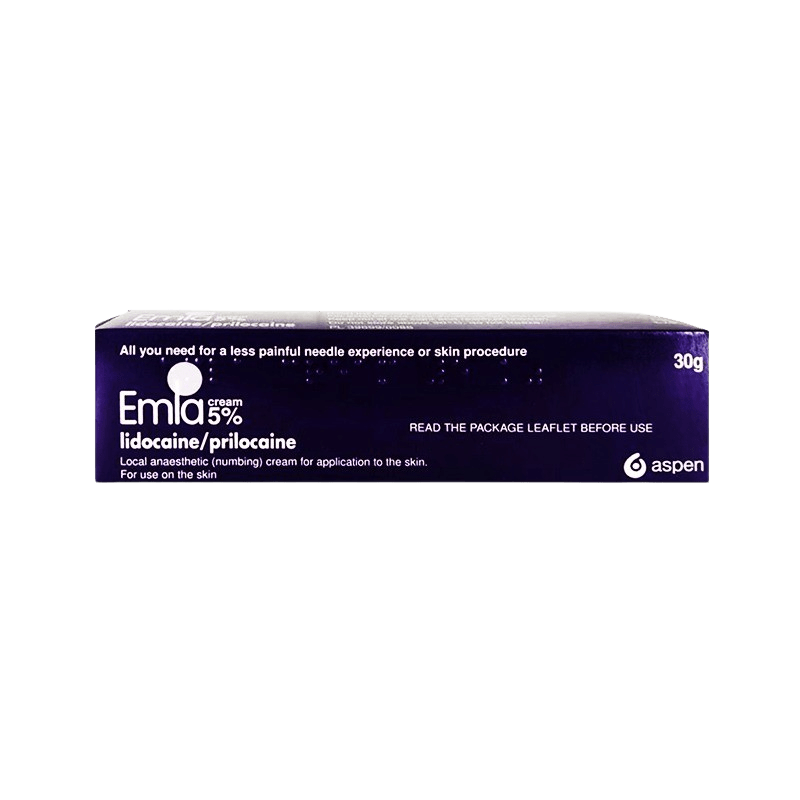
Clinics looking for a topical option can review EMLA, then compare related brand listings through EMLA Brand Products. Product pages may include details such as presentation, labeling, and pack information, while brand pages help teams scan related listings from the same manufacturer or product family.
Some products in this collection include local anesthetic ingredients within an injectable aesthetic or procedure-support product. Examples include Restylane 1 mL With Lidocaine, Dermalax Implant Plus With Lidocaine, and Revanesse Contour With Lidocaine. Review each listing by its label, concentration, presentation, and intended professional use.
Quick tip: Separate standalone numbing products from lidocaine-containing combination products in inventory records.
How to Compare Local Anaesthetics and Related Options
Local anaesthetics reduce sensation in a targeted area. In this browse page, comparison usually starts with route, format, active ingredient, and procedure workflow. Topical products sit on skin or mucosa, while injectable products may contain lidocaine as part of a broader formulation.
| Browse factor | What to compare | Clinic workflow note |
|---|---|---|
| Form | Cream, injectable product, or related supply | Match the listing to the approved route and procedure protocol |
| Active ingredient | Lidocaine, prilocaine, mepivacaine, or combination ingredients | Check cumulative local anesthetic exposure across the visit |
| Labeling | Strength, presentation, storage, and contraindications | Use current product labeling for documentation and handling |
| Workflow fit | Contact time, preparation steps, and room turnover | Align staff tasks with consent, monitoring, and charting needs |
When comparing topical anaesthetics, teams often review contact time, application site, skin integrity, occlusion practices, and removal steps. For injectable products with lidocaine, the focus may shift to product class, package size, needle compatibility, and documentation of all anesthetic exposure.
Scope Terms for Anesthesia Planning
Clinics use several terms when discussing anesthetic agents. Local infiltration anesthesia means numbing medication is placed at or near the procedure site. Regional anaesthesia affects a larger area by targeting a nerve pathway, and regional nerve blocks require trained personnel, monitoring, and escalation readiness.
Spinal anaesthesia and epidural anaesthesia are forms of regional care used in selected clinical settings. General anaesthesia produces unconsciousness and requires advanced airway management in anesthesia, physiologic support, and recovery planning. Sedation and analgesia, monitored anesthesia care, intravenous anaesthetics, inhalational anaesthetics, and volatile anaesthetics sit within broader anesthesia pharmacology, but they are not the main focus of this product collection.
This page is not a protocol for induction agents, maintenance anesthesia, neuromuscular blocking agents, pediatric anaesthesia, or dental anaesthetics. Those areas require setting-specific policies, qualified clinicians, and appropriate monitoring systems.
Safety, Labeling, and Documentation Checks
Anaesthetics require careful review because intended numbness can overlap with systemic exposure risks. Clinic teams should confirm contraindications, allergy history, interacting medications, and current labeling before use. Product records should include name, lot number, expiration date, strength, and route.
- Confirm whether the item is topical, injectable, or part of another product.
- Review active ingredients and total local anesthetic exposure across the visit.
- Follow label storage instructions, including temperature and light requirements.
- Document application or administration details in the clinical record.
- Maintain escalation procedures for suspected adverse reactions or toxicity.
- Use clinic-approved policies for anesthesia monitoring and recovery from anesthesia.
Why it matters: Clear documentation helps teams trace exposure if symptoms or product questions arise.
Local anesthetic systemic toxicity is a rare but serious emergency. Clinics that use local anaesthetics should maintain current training, emergency supplies, and role assignments appropriate to their scope of care.
Related Products, Brands, and Reading Paths
Use the product links in this category when you need item-level details. Use brand pages when you want a wider product list from a related manufacturer or product family. The CoolSense Brand Products page may also support browsing where cooling or comfort-oriented product lines are relevant to clinic workflows.
Educational resources can help staff prepare protocols and compare product types without replacing label review. Topical Anesthetic Cream covers surface numbing basics in a practical format. EMLA Cream Guide focuses on EMLA use considerations for minor procedures. Clinics planning skin needling workflows may prefer Topical Numbing Cream for Microneedling, while injectable aesthetic teams may review Lidocaine in Dermal Filler Procedures.
For product navigation, start with the formulation that matches your protocol. Then compare labeling, storage, documentation, and whether a related article answers a workflow question before opening a product page.
Clinic Procurement Orientation
This collection supports professional purchasing decisions, not patient self-selection. Licensed clinics should align any product choice with credentialing, prescriber authorization, storage controls, and procedure-specific standard operating procedures.
Before adding an item to a clinic list, confirm the official label, route, concentration, packaging, and expiry format. Keep receipt checks and stock rotation records consistent across topical products and lidocaine-containing injectables. This helps practice buyers compare listings while supporting safe, auditable clinic operations.
Use this category as a starting point for comparing forms, related brands, and practical education. Product pages provide item-level details, while linked resources help clarify common workflow questions for trained teams.
This content is for informational purposes only and is not a substitute for professional medical advice.
FILTERS
Price
Product categories
Brands
Emla™
You save
Frequently Asked Questions
How should clinics compare anaesthetics in this category?
Start with route and format. Compare topical products separately from injectable products that include lidocaine or another local anesthetic ingredient. Then review the official label for strength, presentation, storage, contraindications, and intended professional use. Clinics should also consider documentation needs, staff training, monitoring capacity, and how the item fits the procedure workflow.
Are topical anaesthetics and lidocaine-containing injectables the same type of product?
No. Topical anaesthetics are applied to a surface, such as skin or mucosa, for localized numbing. Lidocaine-containing injectables may include an anesthetic ingredient within another clinical product. They can have different handling, labeling, documentation, and safety considerations. Review each product page and current labeling before comparing them within clinic protocols.
What records should a clinic keep for local anaesthetics?
Clinics commonly document product name, lot number, expiry, active ingredient, concentration, route, and use within the clinical record. Inventory systems should also reflect receipt checks, storage requirements, stock rotation, and disposal processes. When multiple lidocaine sources appear in one visit, teams should track total exposure according to their internal policies.
When should staff use the educational articles linked from this collection?
Use the articles when a team needs workflow background, such as how topical numbing products differ, what to consider for microneedling preparation, or why lidocaine appears in some filler products. These resources support browsing and staff orientation. They do not replace product labeling, prescriber judgment, clinic protocols, or professional training.