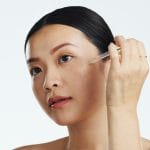

Restylane skinboosters benefits center on skin hydration, smoother texture, and subtle radiance rather than facial volume. For clinics, the value is not only the aesthetic endpoint. It is also the ability to counsel patients clearly, select candidates carefully, document treatment consistently, and manage injection-related risks with the same discipline used for other injectable procedures.
Demand has shifted from “more volume” toward better skin quality. That change makes injectable hydration treatments more visible in consultation rooms. Restylane Skinboosters Vital and Vital Light are commonly discussed as hyaluronic acid (HA) skin quality options, but clinics should confirm local regulatory status, official labeling, training requirements, and scope-of-practice rules before building protocols.
Key Takeaways
- Primary benefit: hydration, texture, and glow rather than lift.
- Best candidates: patients with realistic skin quality goals.
- Core distinction: skinboosters differ from volumizing fillers.
- Risk profile: injection-site effects and filler-related complications still apply.
- Clinic fit: repeatable documentation supports safer workflow.
What Skinboosters Are in Clinical Terms
Skinboosters are injectable skin quality treatments designed to distribute HA across targeted dermal areas. The goal is a more hydrated appearance, smoother surface texture, and refined light reflection. They are not intended to replace structural filler planning when the treatment goal is projection, contour, or lift.
In clinical conversations, “skinbooster” can be used loosely. Some practices use it for HA microinjection treatments, while others use it for broader mesotherapy-style services. Your team should define the term internally before using it in consults, consent forms, or service menus. For broader category orientation, the Skin Boosters Injections resource can help align terminology across staff.
HA is a glycosaminoglycan, a naturally occurring sugar-based molecule found in skin and connective tissue. It binds water and helps support tissue hydration. For a wider clinical refresher on this ingredient class, see Hyaluronic Acid Benefits.
Because MedWholesaleSupplies serves licensed clinics and healthcare professionals, product-related discussions should stay grounded in professional use, sourcing verification, and documentation rather than consumer self-selection.
Restylane Skinboosters Benefits and Where They Fit
Restylane skinboosters benefits are usually framed around improved hydration, smoother texture, more even-looking skin quality, and a refreshed appearance. These are subtle outcomes. They should be presented as skin quality support, not as a substitute for volume restoration, neuromodulators, resurfacing, or medical dermatology care.
This distinction matters during assessment. A patient asking for “glow” may be a reasonable candidate for a hydration-focused injectable discussion. A patient asking for jawline definition, cheek projection, or deep fold correction likely needs a different treatment conversation. The consultation should translate subjective language into visible baseline features, such as dullness, fine superficial lines, rough texture, or dehydration signs.
Clinics also need to separate marketing language from clinical endpoints. Terms such as radiance, bounce, and luminosity may help patients explain concerns, but charts should use clearer observations. Note baseline texture, skin thickness, photodamage, laxity, prior treatments, and the specific goals discussed.
Why it matters: Clear goal-setting reduces dissatisfaction after subtle skin quality treatments.
Hydration and Texture
The hydration benefit is linked to HA’s water-binding properties. When HA is placed in a dispersed dermal pattern, it may help the treated area look and feel less dry. This can improve the appearance of fine lines related to surface dehydration, although response varies by baseline skin quality, lifestyle factors, skincare, and concurrent procedures.
Subtle Radiance Without Shape Change
Many patients want improvement without looking “filled.” That is where skinboosters often fit well in clinic menus. The desired endpoint is healthier-looking skin, not altered facial proportions. Before-and-after photos should therefore focus on lighting, texture, and skin surface consistency rather than contour.
Repeatable Maintenance Conversations
Restylane skinboosters benefits can also support structured maintenance planning. Clinics can build consistent consultation language, standardized photography, aftercare handouts, and follow-up questions around skin quality. Avoid promising a specific timeline or duration unless it is supported by the product label and your local clinical guidance.
How HA Microinjections Work at a High Level
HA skinboosters are typically placed as multiple small deposits rather than a larger bolus. This approach aims to spread hydration support across a treatment zone. The technique differs from volumizing filler placement, where structure and projection are often the main objectives.
Depth, spacing, volume per point, and treatment area all influence appearance and tolerability. These variables should follow training, official instructions for use, and clinic protocol. Teams should avoid importing filler techniques into skinbooster services without product-specific education.
Patients may ask whether skinboosters “stimulate collagen.” Some clinicians discuss dermal remodeling as a possible downstream effect of improved hydration and controlled needle injury. Keep this language conservative. Evidence and permitted claims vary by product, country, and protocol.
For a more detailed professional planning discussion, clinics can review Restylane Skinboosters Protocol Planning.
Candidate Selection, Treatment Areas, and Counseling
Good candidates usually have skin quality concerns that match the treatment’s expected endpoint. They may describe dullness, crepey texture, fine superficial lines, or makeup settling into dehydrated skin. The best consultation connects those concerns with observable findings and realistic outcome language.
Screening should also identify patients who may not be appropriate for elective injectable treatment. Common concerns across injectable procedures include active infection or inflammation at the planned site, relevant hypersensitivity history, bleeding risk, immunosuppression, prior adverse reactions, and situations where elective procedures should be delayed. Your medical director and official labeling should define final contraindication language.
Age alone is not a complete selection criterion. Some younger patients have dehydration or texture concerns, while some older patients need a different plan because laxity, volume loss, or photodamage is the dominant issue. The better question is whether the concern, anatomy, and expectation match the tool.
Common Areas Clinics Discuss
Facial areas often include the cheeks, midface, and perioral region when texture or superficial lines are the main concern. Clinics may also discuss neck and hands because these areas can show dehydration, thin skin, and photodamage. Technique and risk considerations can differ by area, so staff should avoid using one generic script for every site.
If your clinic compares hydration injectables across product options, the Skin Boosters Product Category can support internal browsing. Product-specific pages such as Restylane Skinboosters Vital With Lidocaine and Restylane Skinboosters Vital Light should be used as product references, not as substitutes for official labeling or clinical training.
As a B2B supplier, MedWholesaleSupplies provides brand-name medical products through vetted distributors and verified supply channels for licensed clinic accounts. Clinics should still perform their own receiving checks, product verification, and documentation steps according to internal policy.
Timeline, Downtime, and Risks to Discuss
The results timeline is usually gradual, and patients should hear that before treatment. Early changes may reflect hydration and normal post-injection swelling. Later perceived improvements may relate to skin surface quality and treatment course, but response can vary.
Patients often ask how long it takes for a skinbooster to “work.” A clinic-safe answer is to explain that visible changes may develop over time and should be assessed using consistent photos, lighting, and follow-up intervals. Avoid guaranteeing a specific day-by-day response unless that language comes from approved product materials.
Downtime is often described as mild, but it is not zero. Patients may experience redness, swelling, bruising, tenderness, pinpoint bleeding, or small papules at injection points. These effects may be more visible in thin skin or in areas with dense injection patterns.
More serious complications are uncommon but important to cover. Injectable HA procedures can be associated with infection, inflammatory nodules, hypersensitivity reactions, and rare vascular complications. Clinics need aseptic technique, anatomical training, adverse event pathways, and escalation protocols consistent with local standards.
Quick tip: Use the same photo setup at every skin quality follow-up.
How Skinboosters Compare With Related Aesthetic Options
Comparison questions help clinics identify whether the patient is asking for hydration, relaxation of dynamic lines, volume restoration, or resurfacing. A structured explanation prevents skinboosters from being positioned as a universal solution.
Compared with classic HA fillers, skinboosters focus less on shape and more on surface quality. Compared with neuromodulators, they do not target muscle contraction. Compared with resurfacing procedures, they do not remove tissue layers or directly treat every pigment or scar concern. Compared with loosely defined mesotherapy services, HA skinboosters usually involve a more specific product concept and injection pattern.
Skinbooster versus bioremodeling comparisons also come up often. Both may be discussed in the context of hydration and skin quality, but product format, technique, and labeling can differ. Clinics can use related resources such as Profhilo Injections and Viscoderm Hydrobooster to support internal education on adjacent categories.
Restylane skinboosters benefits should therefore be presented as one part of a broader injectable and skin quality program. That framing helps coordinators answer common questions without overstating what the treatment can do.
Clinic Workflow and Documentation Checklist
Skinbooster services run best when clinics treat them as medical injectable procedures, not as casual add-ons. The operational details should cover consent, photos, product traceability, aftercare, and adverse event documentation.
Use this checklist to reduce variation across providers and locations:
- Credential review: confirm provider scope and training.
- Baseline record: capture standardized photos and skin notes.
- Consent language: define hydration and texture goals.
- Product traceability: record lot, expiry, and product used.
- Receiving check: inspect packaging integrity before use.
- Storage process: follow labeled storage requirements.
- Aftercare handout: document instructions and contact pathway.
- Follow-up plan: record outcomes and adverse events.
Procurement teams should also decide how product references are stored internally. Some clinics keep a short approved list, including HA skinboosters and related skin quality injectables. Others separate product evaluation from clinical protocol approval. Either approach should support traceability and regulatory alignment.
For broader browsing and category planning, the Skin Boosters Category can help teams review educational content around this segment. Keep clinical decisions tied to labeling, training, and medical oversight rather than category labels alone.
Authoritative Sources
For product and safety context, use official and regulator-backed references where available:
- Review the FDA’s safety discussion on dermal fillers and soft tissue fillers.
- Check Galderma’s official information on Restylane Skinboosters product positioning.
- Use local professional standards and official labeling before finalizing protocols.
Restylane skinboosters benefits are most useful when clinics frame them accurately: hydration and texture support, not structural reshaping. Strong candidate selection, conservative counseling, and traceable workflow make the treatment easier to integrate into a professional aesthetics program.
This content is for informational purposes only and is not a substitute for professional medical advice.