What Causes Double Chin? Clinical Drivers and Red Flags
The main causes double chin presentations reflect are usually submental fat, inherited facial anatomy, chin or jaw projection, skin laxity, and age-related…

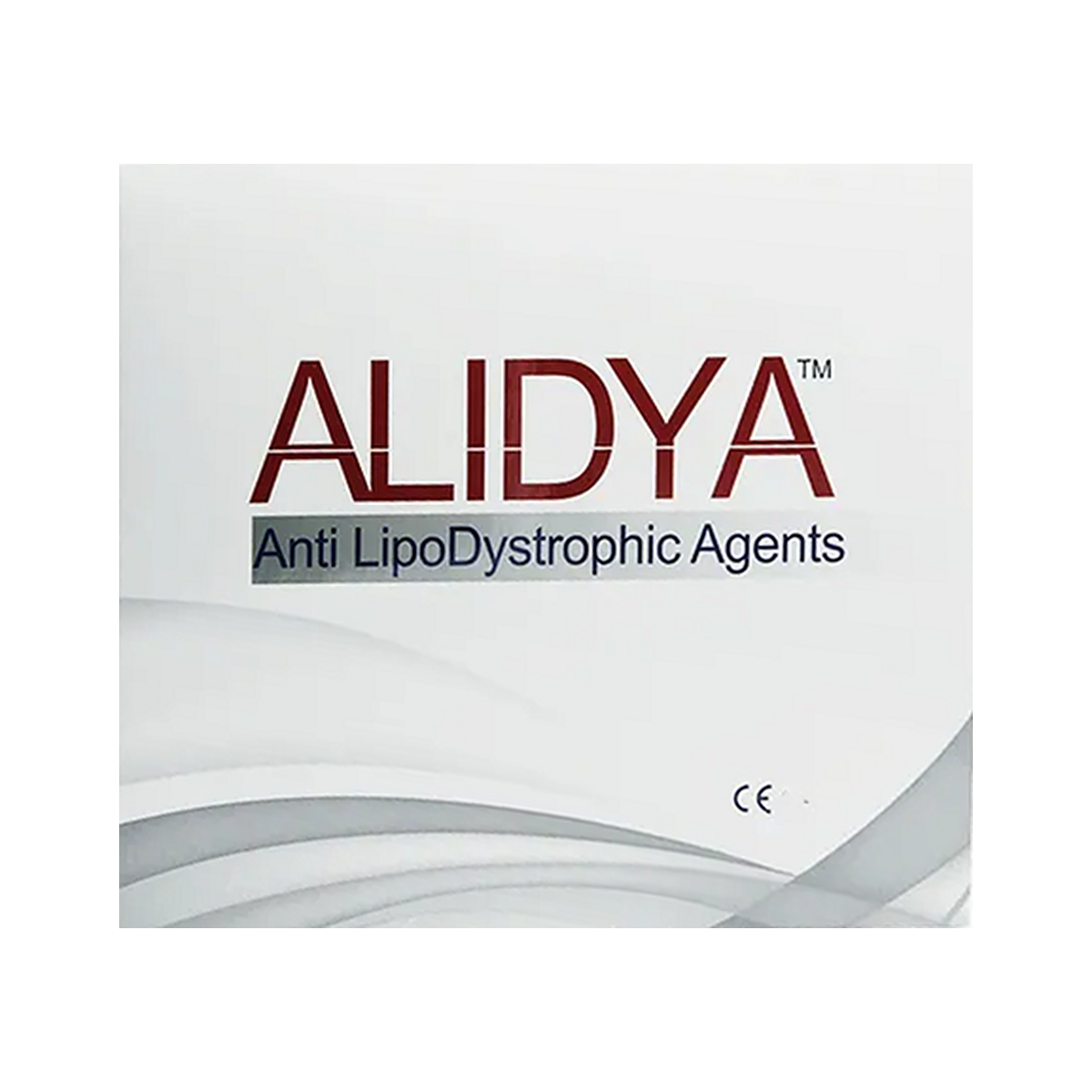
Ghimas S.p.A.
Amino Polyacid Gel D-Glucopyranose 1-4 Glycoside Edta (Ethylene Diaminetetraacetic Sodium) Amino Acid Buffer System With Bicarbonate-Sodium Corrector Osmolarity Regulator
Free shipping on orders over $800
5% off your first order, applied at checkout
Order as a guest or log in. Your medical licence details are collected at checkout and checked against the state board and the NPI registry.
Ships within 24–48 hours
Delivery typically 48–72 hours after shipping, up to 5–7 business days depending on origin and customs. Tracking is emailed when your order ships.
Warm or damaged on arrival?
Send us photos or a video. We investigate and arrange a replacement where needed.
Licence checks
Licences are checked against the state board and the NPI registry.
100% genuine products
In original manufacturer packaging, with lot numbers for full traceability. Lot numbers are shown on your packing slip and invoice.
250 active clinics · Supplying clinics since 2013
“Everything has been easy from ordering to delivery. The prices are good, orders arrive quickly, and the customer service has been great. I would definitely order from MWS again.”
An injectable aesthetic preparation supplied as a lyophilized powder with matching solvent for subcutaneous or intradermal administration by trained professionals. Clinics use it in cellulite-focused protocols and to support skin appearance in adipose-rich zones; with US distribution, your team can plan appointments confidently. Med Wholesale Supplies serves licensed clinics and healthcare professionals with authentic, brand-name medical products sourced through vetted distributors.
This product is an injectable antilipodystrophic solution intended for trained clinicians. It is prepared by combining a vial of powder with a companion vial of solvent, then administered in targeted areas. The solution is positioned for professional management of gynoid lipodystrophy in aesthetic workflows.
The Alidya injectable solution is composed primarily of amino acids with additional components that support ionic balance and tissue compatibility. Its formulation can complement Mesotherapy protocols where controlled microinjections are part of a broader cellulite-management plan. Within clinic settings, this preparation may help standardize how teams approach dimpled skin and related aesthetic concerns without surgery.
Core ingredients include a polyamino acid gel matrix alongside agents such as EDTA, mannitol, and D-glucopyranose. Together, these components are designed to support a favorable microenvironment in superficial adipose tissue. The product integrates into structured treatment plans that prioritize safety, asepsis, and realistic patient communication.
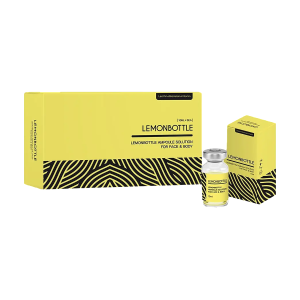
Clinicians integrate this preparation in areas where cellulite commonly appears, including the buttocks, thighs, abdomen, and upper arms. It is also used after body-shaping procedures to support skin quality. In practice, the Alidya anti-lipodystrophic solution can be staged in series within a clinic’s Body Contouring service line, alongside other adjuncts that target skin texture and local tissue appearance. Some teams pair this class with fat-dissolving protocols where appropriate, drawing on options such as LemonBottle Solution. For background reading on clinical positioning, see Alidya Injections.
Programs often emphasize consistent technique, sterile handling, and quality-assured consumables. Scheduling is typically aligned with staff availability and post-procedure guidance used in aesthetic practices. Teams document baseline appearance and follow-up intervals to evaluate progress within their standard of care.
Active and functional components include the following:
These ingredients are formulated to be mixed at the point of use. Always follow your clinic’s aseptic techniques and the manufacturer’s handling guidance.
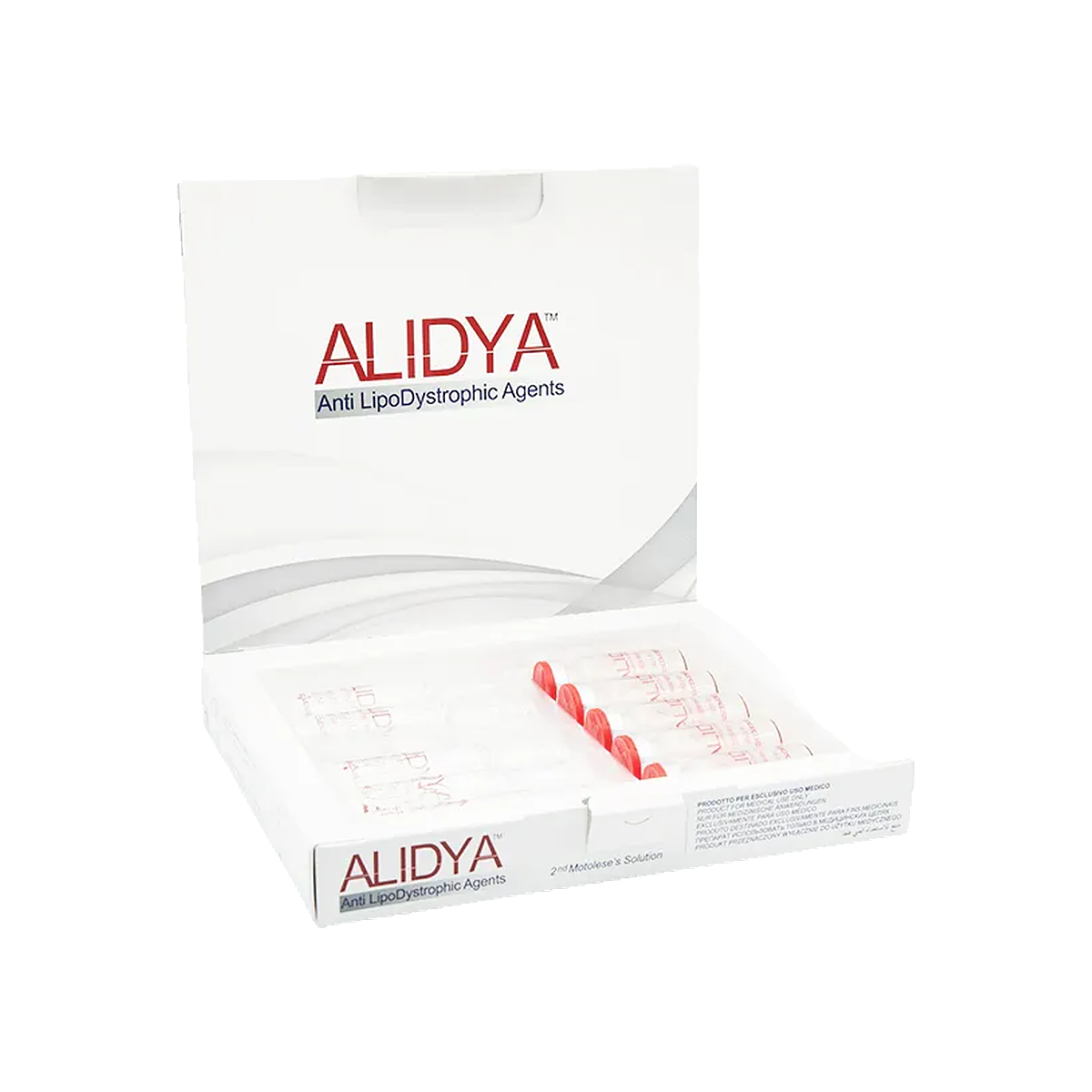
This presentation supplies matched powder and solvent vials in a single kit for professional use. The Alidya™ Vial presentation is provided as 5 vials of 340 mg powder and 5 vials of 10 mL solvent per package. Labels include product identifiers, lot number, and expiration to support receiving and documentation.
SKU for this listing: 88021. Kits are sealed in manufacturer packaging. External cartons list traceability details to assist with inventory control. The manufacturer is a recognized European producer specializing in professional aesthetic solutions for clinical settings.
Many clinics store the kit with related consumables in a single bin location to streamline pick-and-pack before procedures. Verify local protocols for storage and handling, and follow your facility’s policies for controlled-access products.
Orders ship with temperature-controlled handling when required and tracked US delivery. For consolidated purchasing, add this item to your standard aesthetic reorder list and set internal par levels that reflect booking trends.
Clinics evaluating alternatives in similar workflows often consider polynucleotide or mesotherapy-class options. Two frequently reviewed comparators include NCTF 135 HA for biorevitalization protocols and the PRX-T33 Peel when a no-peel chemical protocol is desired. Selection depends on protocol goals, staff training, and patient candidacy.
Current prices and quantity breaks are shown on this page, and licensed clinics can order as a guest or with an account. Quantity breaks apply automatically as you add more units.
Supply can vary based on upstream manufacturing and import cycles. When the Alidya cellulite treatment vial presentation is limited, confirm acceptable substitutions with your clinical lead before changing protocols. For brand-specific listings, see the Alidya Brand page. For broader context on class options, review Alidya vs Aqualyx to understand positioning differences between solutions.
This preparation’s role is focused on supporting aesthetic management of cellulite-prone regions. The balanced composition is designed for targeted delivery to superficial adipose layers using methods familiar to trained practitioners. It can be incorporated into documented clinic pathways with baseline photography, follow-ups, and patient-specific planning.
When building or refining protocols, teams often reference established resources and internal SOPs. For adjacent services that address texture and tone, explore curated options within Mesotherapy catalogs and body-focused categories to keep supply lines unified.
Coordination across providers improves consistency. Many clinics stage consultations, consent, and photography before initiating a series. Cross-functional communication with nursing and front-desk teams helps ensure that reconstitution supplies and disposables are available for every appointment slot. Where appropriate, clinics may incorporate supportive skincare or non-invasive device sessions between visits to maintain momentum.
For advanced programs, staff may align exfoliating or biorevitalizing services around these sessions, drawing on products like those noted above as part of an integrated plan.
This injectable preparation is positioned for professional management of cellulite-prone areas within aesthetic workflows. It supports programs focused on improving the look of dimpled skin in the buttocks, thighs, abdomen, and arms. Teams often integrate it with other clinic services aimed at texture, tone, or contouring. It is non-surgical and intended for use by trained practitioners following aseptic technique and clinic-defined protocols.
Candidates are typically adults with visible early- to moderate-appearance cellulite whose goals align with non-surgical aesthetic care. Suitability depends on medical history, expectations, and the clinician’s assessment. Providers screen for contraindications, review medications and allergies, and discuss realistic outcomes. Final inclusion is at the discretion of the treating professional, consistent with local regulations and clinic policy.
Clinics may coordinate it with services that address skin quality, such as biorevitalization or chemical protocols, when medically appropriate. Staging visits helps maintain consistency and staff availability. Documentation usually includes baseline images and follow-up check-ins. The preparation is one component of a broader plan, and timing or sequencing should reflect clinician judgment and patient needs.
Follow the manufacturer’s storage guidance on each carton and vial. Keep kits organized with related disposables so teams can set up efficiently. Inspect packaging on receipt, verify lot and expiration, and quarantine any damaged items per facility policy. Prepare the solution immediately prior to use and maintain aseptic technique throughout the reconstitution and administration process in accordance with training.
This class may be used post-procedure to support the appearance of treated areas when a clinician deems it appropriate. Timing, technique, and frequency are determined by the provider based on healing, goals, and clinic protocol. Avoid initiating sessions until the treating professional confirms readiness and ensures that any post-operative considerations have been addressed.
Clinics typically prepare sterile consumables for reconstitution and delivery, plus skin-prep materials and post-visit care items per protocol. Camera-enabled documentation for before-and-after review is common. Teams also maintain compatible adjunct products for texture or tone support. Specific device types, needle gauges, and dosing instructions are determined by clinic SOPs and are not provided here.
It occupies a role within cellulite-focused injectable solutions. Alternatives may emphasize biorevitalization, exfoliation, or fat-dissolving mechanisms. Selection depends on candidacy, training, and the clinic’s preferred method of action. Many teams evaluate product characteristics, packaging, and workflow compatibility, and may review internal results or available literature before selecting a standardized option.

MWS Customer Service Team
Our customer service team helps you choose the right pack, label option and quantity for your clinic, and sets up your first order.
Monday to Friday, 9am to 6pm ET
Why clinics order from MWS
Built for licensed clinics
Licences are checked against the state board and the NPI registry.
Every pack option named
Each option names its dosage and pack size, so you know which pack you are ordering.
Volume pricing up front
Quantity tiers are shown on the product, before you order.
Cold-chain packing
Refrigerated lines ship in thermo-packaging with enough ice packs to hold temperature for up to 10 days.
“The customer care team was very efficient in offering hand-held guidance to choose the most cost-effective options.”
The main causes double chin presentations reflect are usually submental fat, inherited facial anatomy, chin or jaw projection, skin laxity, and age-related…
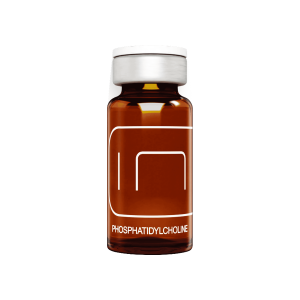
OverviewPhosphatidylcholine benefits are best understood as context-dependent rather than uniform. Oral supplements, lecithin-derived products, topical ingredients, and procedure-adjacent use can involve different…

Key Takeaways Phosphatidylcholine is a membrane phospholipid used as a supplement ingredient and, in some settings, an injectable component. Clinical teams benefit…