
Description
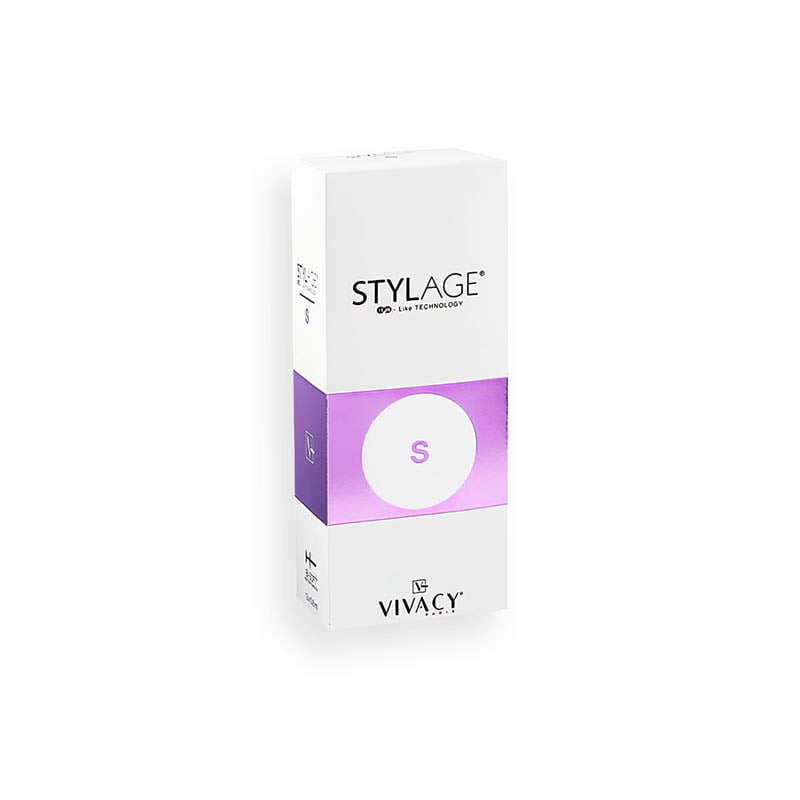
Stylage® S Bi-Soft is a sterile hyaluronic acid dermal filler supplied in two 0.8 mL prefilled syringes for professional aesthetic use. Licensed clinics, med spas, and healthcare professionals can order Stylage S Bi-Soft for fine, superficial facial-line correction where controlled intradermal placement is required. The pack includes sterile needles, traceability labels, and an insert to support treatment-room setup and professional documentation.
This preparation is selected for delicate facial zones such as periorbital, perioral, and selected glabellar lines. It is intended for trained injectors who assess anatomy, injection depth, product volume, and aftercare according to their clinical protocol. Med Wholesale Supplies serves licensed professional accounts with brand-name medical products sourced through vetted distribution channels and supported by US distribution.
Stylage S Bi-Soft Price, Pack Size, and Clinic Ordering
Clinics evaluating the Stylage S Bi-Soft price should account for the full box configuration, not only the syringe volume. Each unit contains 2 prefilled 0.8 mL syringes, 4 sterile 30G 1/2 inch needles, 1 package insert, and traceability labels. This format helps practices plan inventory around superficial wrinkle appointments and record lot-level details in patient charts.
Sign in to view current wholesale cost and account-specific volume tiers. Contract pricing may suit practices that use Stylage products regularly across facial rejuvenation protocols. Because dermal filler selection affects technique, depth, and expected tissue behavior, purchasing decisions should align with the injector’s training and the clinic’s approved product formulary.
For brand-level browsing, clinics can review the full Stylage product range. Practices building a broader filler inventory may also use Stylage range and use comparisons to understand how different gel options fit distinct treatment objectives.
What Stylage® S Bi-Soft Is Used For
Stylage® S Bi-Soft is a cross-linked hyaluronic acid gel used by trained professionals for correction of superficial facial wrinkles and fine lines. Hyaluronic acid is a naturally occurring molecule that attracts water; in dermal fillers, it is formulated as a sterile gel to support localized contouring, hydration, and line refinement in the treated plane.
This product is suited to subtle work in thin or mobile areas where a light, precise gel is preferred. Common clinic applications include fine periorbital lines, perioral rhytids, and selected glabellar creases. The clinical objective is typically refinement rather than structural volumization, so assessment and placement depth matter more than simply adding volume.
The Bi-Soft syringe format supports controlled handling during injection. In practice, clinicians may use the supplied needles or a practitioner-selected cannula when appropriate for anatomy and technique. Product choice should be guided by skin thickness, line depth, movement pattern, previous filler history, and the injector’s complication-management training.
How the HA Gel Works in Superficial Lines
The Stylage S Bi-Soft dermal filler uses cross-linked hyaluronic acid to create a soft gel matrix for intradermal placement. Cross-linking helps the gel maintain structure after injection, while hyaluronic acid’s water-binding properties support localized hydration. The result is a product profile intended for fine-line correction rather than deep lifting.
In thin skin, overcorrection or placement at the wrong depth can create visible irregularities. That is why this filler is positioned for qualified injectors who can place small aliquots with finesse and adjust technique by facial region. The gel’s role is to integrate into the target tissue plane and soften etched lines while preserving a natural appearance.
Clinics that want more background on the molecule behind HA fillers can read hyaluronic acid in aesthetic medicine. For Stylage-specific clinical positioning, Stylage filler performance considerations may help teams discuss product selection during internal training.
Pack Components and Documentation
Each box is configured for immediate professional use after standard clinic intake, product inspection, and procedural preparation. The Stylage S Bi-Soft syringe format gives injectors a ready-to-use sterile presentation while the supplied accessories support consistent setup across treatment rooms.
| Component | Clinic relevance |
|---|---|
| 2 prefilled 0.8 mL syringes | Supports planned superficial-line sessions and inventory tracking |
| 4 sterile 30G 1/2 inch needles | Provides compatible in-box needles for professional injection technique |
| 1 package insert | Gives product-specific directions, warnings, and handling information |
| Traceability labels | Helps document lot and product details in the clinical record |
Before use, staff should inspect the package, lot number, expiry date, syringe integrity, and labeling. Traceability labels should be applied according to the clinic’s charting process. Reference SKU: 89728.
Clinic Workflow and Handling
Stylage® S Bi-Soft fits practices that maintain separate product choices for fine lines, moderate wrinkles, and volumizing indications. Keeping a light HA filler available can help injectors avoid using a heavier gel in areas where flexibility and subtlety are important. Inventory planning should reflect appointment mix, injector preference, and the clinic’s established treatment protocols.
Storage and handling should follow the manufacturer’s package insert and the clinic’s medical inventory procedures. Keep the product sealed until preparation, maintain sterility, and do not use a syringe if the packaging is damaged or the gel appears compromised. Orders are supported with temperature-controlled handling when required and tracked US delivery.
Quick tip: Assign traceability-label placement to one staff role so lot documentation stays consistent across rooms.
Professional Applications and Treatment Planning
This filler is best understood as a precision product for superficial correction. In aesthetic planning, injectors may combine a light HA filler with neuromodulators, skin boosters, energy-based devices, or other filler types, depending on the treatment plan and patient assessment. The product should not be treated as interchangeable with deeper or more volumizing fillers solely because it belongs to the same brand family.
Typical decision points include skin thickness, wrinkle depth, prior treatments, inflammation risk, vascular anatomy, and the patient’s tolerance for staged correction. For perioral lines, clinicians may consider how muscle movement and lip support influence the final plan. For periorbital concerns, conservative placement and anatomical caution are especially important because the skin is thin and vascular structures are clinically significant.
Clinics comparing product families can use Stylage and Juvéderm distinctions for educational context. Practices focused on lip-area protocols may also find Stylage lip filler considerations useful when building a broader aesthetic menu.
With Lidocaine and Without Lidocaine Considerations
Clinics often evaluate whether to stock Stylage S Bi-Soft with lidocaine or a non-lidocaine presentation. This product record identifies the 2 x 0.8 mL Stylage® S Bi-Soft pack; consult the package insert for full composition and any anesthetic content before use. Do not assume anesthetic content from similar product names, regional packaging, or keyword phrasing.
If a lidocaine-containing option is preferred for a clinic protocol, review the separate Stylage S Bi-Soft with Lidocaine presentation. Selection should consider patient history, allergy screening, injector preference, comfort-management protocols, and the clinic’s documentation process.
When moving between lidocaine and non-lidocaine presentations, staff should verify the box name, insert, and syringe labeling before room setup. This prevents unintended product substitution and supports accurate charting.
Safety, Contraindications, and Professional Precautions
Dermal fillers require professional administration by qualified healthcare providers trained in facial anatomy, aseptic technique, and complication recognition. Expected transient injection-site reactions can include redness, tenderness, pain, itching, swelling, bruising, and small bumps. These effects are generally localized, but the clinician should provide aftercare instructions and escalation guidance according to their medical protocol.
Serious complications are uncommon but can occur with HA injectables, especially if product enters or compresses a blood vessel. Clinicians should be prepared to identify signs such as unusual pain, blanching, color change, visual symptoms, or tissue compromise and act according to established emergency protocols. Patient history, contraindication screening, anticoagulant use, skin infection, immune status, allergy history, and previous filler placement should be considered before treatment.
Aseptic technique is essential. Do not inject through inflamed, infected, or compromised skin. Use single-use components as directed, discard used needles safely, and avoid reusing syringes or accessories. Clinics should maintain policies for consent, lot documentation, adverse-event recording, and post-procedure follow-up.
Comparable Stylage Products
Stylage® S Bi-Soft is positioned for superficial line correction. Practices that need a different gel behavior may consider adjacent Stylage presentations based on treatment depth and protocol fit. Any switch should be approved by the clinical lead because gel choice affects injection plane, volume planning, and expected tissue response.
- Stylage M Bi-Soft: an adjacent Stylage option used when clinic protocols require a different HA filler profile.
- Stylage M Bi-Soft with Lido: a related presentation for practices that use lidocaine-containing fillers.
- Stylage L Bi-Soft: a larger-pack Stylage option for different treatment planning needs.
Comparable products should be evaluated by indication, depth, rheology, pack configuration, and injector experience. Similar branding does not make products clinically identical.
Availability, Substitutions, and Inventory Planning
Authentic Stylage S Bi-Soft supply supports consistent clinic protocols and patient recordkeeping. When planning reorder cadence, consider appointment volume, provider preference, seasonal demand, and expiration dating. Clinics using multiple Stylage presentations should store and label them so staff can distinguish S, M, L, lidocaine, and non-lidocaine boxes during room preparation.
If a substitution is considered, confirm it with the clinical team before changing technique or treatment plans. A substitute should be chosen for comparable clinical purpose, not only because it is part of the same brand family. Document any product change in the patient chart and ensure staff understand the revised injection approach.
Authoritative Sources
Laboratoires Vivacy official website
This content is for informational purposes only and is not a substitute for professional medical advice.
Frequently Asked Questions
What is Stylage® S Bi-Soft used for in clinics?
Stylage® S Bi-Soft is used by trained injectors for superficial facial lines and fine wrinkles, including delicate areas such as periorbital, perioral, and selected glabellar lines. It is a precision HA filler rather than a deep volumizing product.
What comes in the Stylage® S Bi-Soft box?
Each box contains 2 prefilled 0.8 mL syringes, 4 sterile 30G 1/2 inch needles, 1 package insert, and traceability labels for professional records.
Is Stylage® S Bi-Soft the same as the lidocaine version?
No. Clinics should verify the exact box name and insert before use. If a lidocaine-containing presentation is required for a protocol, review the separate Stylage S Bi-Soft with Lidocaine product and screen for relevant patient factors.
How should clinics document Stylage® S Bi-Soft use?
Clinics should record the product name, lot number, expiry date, treatment area, volume used, injection technique, and any relevant aftercare or adverse-event notes according to internal policy. The included traceability labels help streamline charting.
What safety precautions matter most for this HA filler?
Use should be limited to qualified professionals trained in facial anatomy, aseptic technique, and filler complication management. Screen for contraindications, inspect packaging before use, avoid compromised skin, and follow the manufacturer insert and clinic protocol.
Specifications
- Main Ingredient: Hyaluronic Acid
- Manufacturer: Vivacy Laboratories
- Drug Class: Aesthetic Surgery Product
- Generic Name: Hyaluronic Acid Dermal Filler
- Package Contents: 0.8 mL x 2 Pre-Filled Syringes
- Storage Requirements: Room Temperature (2℃~25℃)
- Main Usage: Volume Filler, Fine Lines
About the Brand
Stylage
Stylage is a widely recognised healthcare brand that manufactures premium dermal fillers and aesthetic solutions of exceptional quality. Whether your goal is to diminish wrinkles, enhance lip volume, or contour your facial structure, Stylage offers the right product for your needs. Endorsed by medical professionals on a global scale for its progressive formulations and naturalistic results, Stylage's products can be conveniently purchased via our official web portal, medwholesalesupplies.com. Our team at medwholesalesupplies.com realises the crucial role of reliable and esteem brands like Stylage in the medical profession. Hence, we have entered a collaboration with Stylage to make their pioneering products available to our valued customers. When medical practitioners buy Stylage products from our website, we assure them of the authenticity of the products, sourced directly from the manufacturer. We also promise competitive pricing and rapid delivery, assuring healthcare providers have the necessary implements to deliver superior quality aesthetic treatments. Securing your Stylage products from medwholesalesupplies.com comes with several perks. Firstly, it corroborates the authenticity of the products, ensuring medical professionals receive genuine Stylage fillers and aesthetic solutions. Next, we provide competitive pricing, enabling healthcare providers to access these high end products at the most economical prices. Lastly, our timely delivery service ensures that medical professionals receive their Stylage products without delay, contributing to an efficient patient treatment process. Consider medwholesalesupplies.com as your go-to destination for all your Stylage essentials.
Browse Stylage Products
Here to help
Questions about ordering, delivery or products? You can email our team here or call now at 1-800-630-9757 and be connected with your dedicated Account Manager
Related Products
Prolia® (International English)
Prescription Medication
$529.00 - $549.00
You save
You save
Evenity® (English Alternative)
Injectable Medication
$1,229.00 - $1,299.00
You save
You save
Intraline® For Men
Dermal Filler
$59.00 - $79.00
You save
You save
RejuvaNAD+ Pro
Injectable Medication
$237.00 - $249.00
You save
You save
Related Articles
Prednisone in Clinical Care: Uses, Risks, and Monitoring
Prednisone is a prescription systemic corticosteroid used to reduce inflammation or suppress immune activity in…
Lip Fillers Swelling Stages: Timeline, Safety, and Follow-Up
Lip fillers swelling stages usually follow a short inflammatory course: swelling appears soon after injection,…
Hypopigmentation of the Skin: Assessment and Care
Hypopigmentation of the skin means one or more areas look lighter than the surrounding skin.…
Radiesse vs Sculptra: Selection Factors for Clinics
Radiesse vs Sculptra is best understood as a comparison between two collagen-stimulating injectables with different…
Hyaluronic Acid Under-Eye Filler: Safety and Workflow
Hyaluronic acid under-eye filler is an injectable soft-tissue filler used by trained aesthetic clinicians to…
Dermal Filler Types: Materials, Uses, and Clinic Fit
Dermal filler types are usually grouped by their base material, tissue behavior, and expected role…
What Is Dysport? Clinical Uses, Safety, and Workflow
For clinic teams asking what is Dysport, the short answer is simple: Dysport is a…
Biostimulators in Aesthetic Care: Selection and Safety
Biostimulators are injectable aesthetic products used to encourage a controlled tissue response, often involving new…