
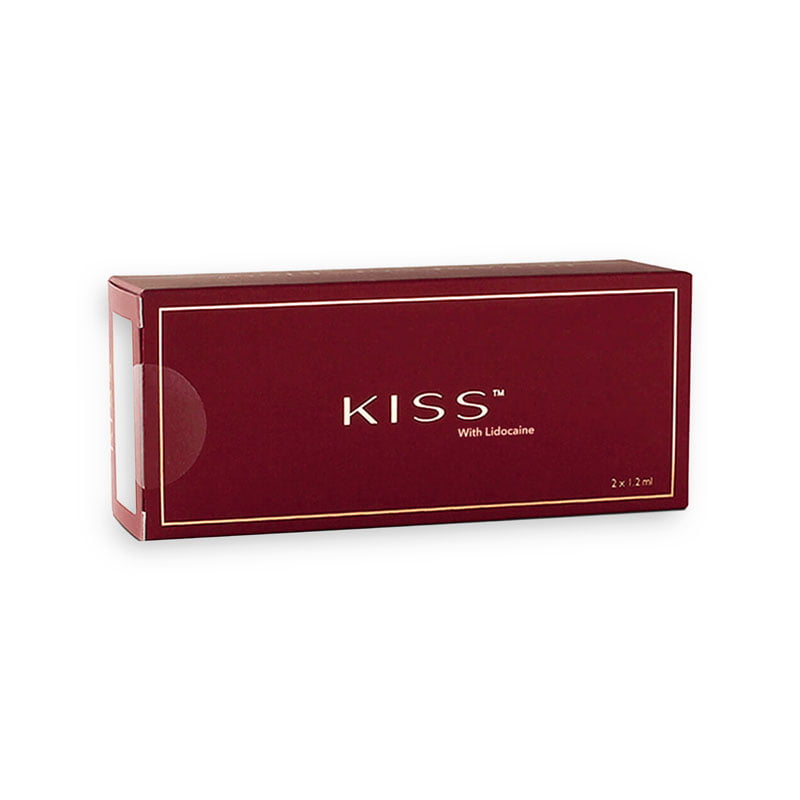
Revanesse® Kiss™ w/ Lidocaine
Order Revanesse® Kiss™ w/ Lidocaine for Clinics
Dermal Filler
$259.00
You save
Description
Revanesse® Kiss™ w/ Lidocaine is a hyaluronic acid dermal filler for professional lip procedures in licensed clinics, med spas, and aesthetic practices. Each pack contains two sterile prefilled syringes, with 1.2 mL of clear gel per syringe, formulated with 25 mg/mL hyaluronic acid and 0.3% lidocaine. Clinics can order Revanesse Kiss with Lidocaine to support lip contouring workflows that require controlled placement, sterile handling, and documented lot rotation.
This product is intended for trained healthcare professionals using established injection protocols. The integrated lidocaine helps reduce injection discomfort during treatment, while the cohesive HA gel supports lip volume, border definition, and symmetry refinement when clinically appropriate.
Clinic Ordering, Pack Size, and Price Context
Verified clinical accounts can sign in to view current Revanesse Kiss price information and place orders for clinic inventory. Pricing may depend on account status, volume needs, and contract terms, so practices should use the account portal to align purchasing with appointment demand and injector schedules.
The pack format supports practical treatment-room planning: two sterile prefilled syringes, each containing 1.2 mL. This differs from search wording that may describe Revanesse Kiss 1ml, Revanesse Kiss 1x1ml, or Revanesse Kiss syringe 1ml; clinics should rely on the product packaging shown during ordering and the labeling received with the shipment. The SKU for this item is 89753.
Use clinic ordering records to document quantity received, lot number, expiration date, and assigned storage area. For practices building a broader lip service inventory, the Revanesse collection can be reviewed through the Revanesse brand assortment.
Professional Applications for Lip Procedures
Revanesse Kiss Lip Filler is used in aesthetic practice for lip augmentation, lip contour definition, and proportional refinement of the upper and lower lips. Providers may incorporate it into protocols for the vermillion border, cupid’s bow shaping, central lip volume, or symmetry work after clinical assessment.
The gel supplements soft tissue with crosslinked hyaluronic acid, a water-binding molecule used in dermal filler products to add structure and hydration within treated tissue. In the lips, the practical goal is controlled shaping rather than generalized facial volumization. This makes product selection, injection depth, patient selection, and follow-up documentation important parts of clinic workflow.
Clinical teams often pair lip filler appointments with standardized photography, consent documentation, and injector notes. For broader technique and brand context, see Revanesse filler use across facial features and lip filler treatment considerations.
Composition and Handling Characteristics
Revanesse Kiss HA filler contains crosslinked hyaluronic acid at 25 mg/mL with lidocaine hydrochloride at 0.3%. The gel is clear and colorless, supplied sterile, and packaged in ready-to-use syringes for professional administration.
| Attribute | Clinic-relevant detail |
|---|---|
| Filler class | Crosslinked hyaluronic acid dermal filler |
| Use area | Lips and lip-focused aesthetic workflows |
| HA concentration | 25 mg/mL |
| Anesthetic | 0.3% lidocaine hydrochloride |
| Pack | Two sterile prefilled syringes |
| Syringe volume | 1.2 mL per syringe |
| SKU | 89753 |
The prefilled syringe format can reduce setup time compared with products requiring additional transfer steps. Staff should keep syringes in original packaging until preparation and should verify the lot and expiration before use. Follow the manufacturer’s instructions for use, aseptic technique, and any clinic-specific protocols for dermal filler handling.
Key Features for Treatment-Room Workflow
- Hyaluronic acid base designed for lip contouring and soft tissue definition.
- Integrated lidocaine to support comfort during injection sessions.
- Prefilled syringe format for efficient chairside preparation.
- Two 1.2 mL syringes per pack for practical inventory planning.
- Sterile blister packaging to protect the syringe until use.
- Clear labeling with lot and expiration information.
- Cohesive gel behavior suited to controlled lip shaping.
- Professional-use format for licensed aesthetic practices.
Because lip work often requires small, deliberate placement decisions, injector familiarity with gel behavior matters. Teams may document extrusion feel, molding response, and post-procedure outcomes to keep product selection consistent across providers.
Benefits in Aesthetic Practice
Revanesse Kiss injectable gel can fit clinics that want a dedicated lip HA filler with lidocaine already included. The formulation supports precise placement for volume enhancement, lip border definition, and subtle balancing when the patient is an appropriate candidate and the injector follows professional technique.
The integrated anesthetic may reduce the need for additional chairside comfort steps in many routine workflows, although clinics may still use their own comfort protocols when appropriate. Hyaluronic acid gels can often be shaped after placement, allowing injectors to refine contour during the appointment.
Appointment planning should include consultation, contraindication screening, informed consent, baseline images, post-care instructions, and a follow-up pathway. For patient-experience planning around duration and aftercare expectations, consult lip filler duration and care considerations.
Safety, Contraindications, and Monitoring
Dermal fillers should be administered only by trained medical professionals who understand facial anatomy, vascular risk, injection technique, and emergency response protocols. Common transient reactions for HA lip fillers may include swelling, bruising, redness, tenderness, itching, firmness, or temporary asymmetry at the injection site.
Clinics should screen candidates for relevant contraindications and risk factors before treatment. Important considerations may include active infection or inflammation at the intended injection site, known hypersensitivity to product components, history of severe allergy or anaphylaxis, bleeding tendency, use of anticoagulant or antiplatelet medications, immune status, pregnancy or breastfeeding considerations, and prior filler history in the treatment area.
Rare but serious complications can occur with dermal filler injection, including vascular occlusion, tissue compromise, infection, nodules, inflammatory reactions, and visual symptoms if product enters or compresses a blood vessel. Providers should counsel patients on warning signs, maintain appropriate protocols, and arrange urgent evaluation when symptoms suggest vascular or infectious complications.
Lidocaine-containing fillers require attention to lidocaine sensitivity and cumulative exposure when multiple anesthetic products are used during the same visit. For more detail on the role of anesthetic in filler procedures, see lidocaine in dermal filler workflows.
Storage, Documentation, and Logistics
Store and handle Revanesse® Kiss™ w/ Lidocaine according to the manufacturer’s labeling and your clinic’s medical inventory procedures. Keep product in its original sterile packaging until treatment-room preparation, and avoid using any syringe if the blister, cap, label, or syringe appears compromised.
Inventory teams should record lot number, expiration date, quantity received, and use date. This supports traceability, expiration rotation, adverse event documentation, and multi-location purchasing controls. Temperature-controlled handling when required and tracked US delivery can help clinics coordinate supply with scheduled injection blocks.
Quick tip: Assign dermal fillers to a dedicated inventory log so staff can reconcile syringes before and after clinic sessions.
How Long Results May Last
Duration varies by patient anatomy, injection technique, treatment volume, product placement, metabolism, and follow-up care. Lip fillers generally require periodic reassessment because lip tissue is mobile and highly vascular compared with some other facial areas.
Clinics should avoid promising a fixed duration for every patient. Instead, document baseline appearance, treatment plan, amount used, and follow-up observations. This helps providers decide whether future maintenance, touch-up, or a different rheology profile is more appropriate.
Comparable Revanesse Options
Clinics evaluating Revanesse Kiss for lips may also consider adjacent Revanesse fillers when a procedure calls for different tissue support. Product choice should reflect treatment area, desired projection, injector preference, gel characteristics, and the clinic’s established protocols.
- Revanesse Ultra with Lidocaine may be considered when practices want another lidocaine-containing Revanesse HA filler.
- Revanesse Contour with Lidocaine may fit broader contouring workflows that require more structural support.
- Revanesse Shape with Lidocaine can be reviewed for clinics building a wider Revanesse assortment.
Many providers also evaluate how Revanesse compares with other established HA filler brands. For a practical brand-level discussion, see Revanesse and Juvéderm comparison considerations.
Availability and Substitution Planning
Clinics can order this product through a verified professional account. When planning treatment blocks, align quantities with expected bookings, injector availability, and expiration rotation rather than relying on last-minute purchasing.
If your team uses substitutes during formulary planning, confirm that the alternative matches the clinical goal. Review syringe volume, lidocaine inclusion, gel behavior, intended treatment area, and injector familiarity before changing products within a lip protocol. Substitution decisions should be documented so patient records accurately reflect the product used.
Authoritative Sources
This content is for informational purposes only and is not a substitute for professional medical advice.
Frequently Asked Questions
Does Revanesse® Kiss™ w/ Lidocaine contain lidocaine?
Yes. The supplied composition lists lidocaine hydrochloride at 0.3% along with hyaluronic acid at 25 mg/mL. Clinics should still screen for lidocaine sensitivity and consider cumulative anesthetic exposure when other anesthetic products are used during the same visit.
How many syringes are in one pack?
Each pack contains two sterile prefilled syringes. Each syringe contains 1.2 mL of clear hyaluronic acid gel with lidocaine, and the packaging displays lot and expiration information for inventory documentation.
Who can administer Revanesse Kiss Lip Filler?
Revanesse Kiss is intended for trained healthcare professionals in appropriate clinical settings. Administration should follow the manufacturer’s instructions for use, aseptic technique, facial anatomy training, patient screening, and clinic protocols for dermal filler procedures.
How long does Revanesse Kiss last in the lips?
Duration varies by patient factors, treatment volume, injection technique, placement, metabolism, and follow-up care. Clinics should document baseline images, product amount, lot number, and post-treatment observations rather than promising one fixed timeline for every patient.
Is Revanesse better than Juvéderm for lip procedures?
Neither brand is universally better for every clinic or patient. Providers typically compare gel characteristics, treatment area, desired projection, patient history, injector preference, and available syringe formats before selecting a filler for a specific lip protocol.
What safety issues should clinics discuss before treatment?
Common temporary reactions may include swelling, bruising, redness, tenderness, itching, or firmness. Clinics should also counsel on rare but serious risks such as vascular compromise, infection, nodules, inflammatory reactions, or visual symptoms, and maintain protocols for urgent evaluation.
How should clinics plan inventory for this product?
Use lot and expiration tracking, keep syringes in original sterile packaging until preparation, and align reorder timing with scheduled injection blocks. Multi-location practices should standardize documentation so product use can be traced by date, injector, and patient record.
Specifications
- Main Ingredient: Hyaluronic Acid (25Mg/Ml) And Lidocaine (0.3%)
- Manufacturer: Prollenium Medical Technologies Inc.
- Drug Class: Drug Class:
- Generic Name: Hyaluronic Acid
- Package Contents: 1.2 mL x 2 Pre-Filled Syringes
- Storage Requirements: Room Temperature (2℃~25℃)
- Main Usage: Lip Filler
About the Brand
Revanesse
Revanesse Versa is a respected medical brand that provides a variety of dermal fillers to suit the requirements of its customers. Whether one needs to diminish fine lines or restore facial volume, Revanesse Versa has the answer. It's straightforward to buy Revanesse Versa from our online store, medwholesalesupplies.com. At medwholesalesupplies.com, we acknowledge the significance of consistent quality in medical supplies. That's why we only showcase items from trusted brands such as Revanesse Versa. When you buy Revanesse from our platform, you are assured of a high-quality, authentic product. Besides guaranteeing quality, purchasing Revanesse from medwholesalesupplies.com comes with the ultimate convenience. Our website is user-friendly, ensuring that locating and buying the Revanesse products you need is a breeze. Plus, our pricing is competitively set to ensure you get the best return on your investment. Therefore, if you need a trustworthy supplier for your Revanesse purchase, medwholesalesupplies.com is your perfect solution.
Browse Revanesse Products
Here to help
Questions about ordering, delivery or products? You can email our team here or call now at 1-800-630-9757 and be connected with your dedicated Account Manager
Related Products
Prolia® (International English)
Prescription Medication
$529.00 - $549.00
You save
You save
Evenity® (English Alternative)
Injectable Medication
$1,229.00 - $1,299.00
You save
You save
Intraline® For Men
Dermal Filler
$59.00 - $79.00
You save
You save
RejuvaNAD+ Pro
Injectable Medication
$237.00 - $249.00
You save
You save
Related Articles
Prednisone in Clinical Care: Uses, Risks, and Monitoring
Prednisone is a prescription systemic corticosteroid used to reduce inflammation or suppress immune activity in…
Lip Fillers Swelling Stages: Timeline, Safety, and Follow-Up
Lip fillers swelling stages usually follow a short inflammatory course: swelling appears soon after injection,…
Hypopigmentation of the Skin: Assessment and Care
Hypopigmentation of the skin means one or more areas look lighter than the surrounding skin.…
Radiesse vs Sculptra: Selection Factors for Clinics
Radiesse vs Sculptra is best understood as a comparison between two collagen-stimulating injectables with different…
Hyaluronic Acid Under-Eye Filler: Safety and Workflow
Hyaluronic acid under-eye filler is an injectable soft-tissue filler used by trained aesthetic clinicians to…
Dermal Filler Types: Materials, Uses, and Clinic Fit
Dermal filler types are usually grouped by their base material, tissue behavior, and expected role…
What Is Dysport? Clinical Uses, Safety, and Workflow
For clinic teams asking what is Dysport, the short answer is simple: Dysport is a…
Biostimulators in Aesthetic Care: Selection and Safety
Biostimulators are injectable aesthetic products used to encourage a controlled tissue response, often involving new…