
$89.00
You save (%)
Description
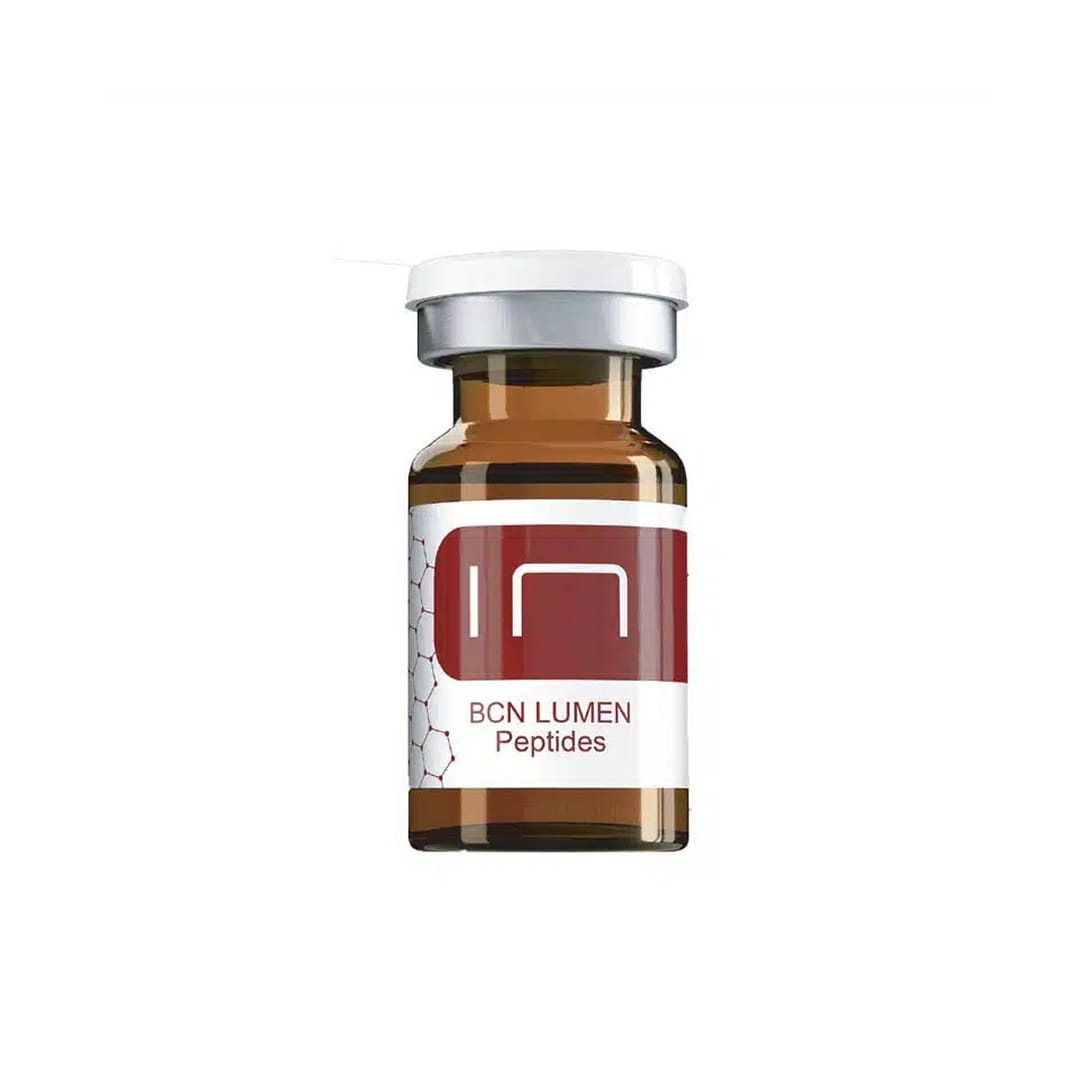
BCN Lumen Peptides is a sterile mesotherapy solution used by licensed aesthetic clinics in professional pigment-management protocols. Clinics can order BCN Lumen Peptides for treatment-room use where trained practitioners incorporate peptide-based mesotherapy into tone-focused plans. The product is intended for professional handling, documented lot control, and protocol selection by qualified healthcare teams.
This solution is commonly positioned for programs addressing uneven tone, hyperchromia, age-related discoloration, and post-inflammatory pigment irregularity after the skin has been assessed. It is not a retail skincare serum or a self-administered cosmetic. Use, technique, interval, and adjunct care should be determined by the licensed professional responsible for the procedure.
BCN Lumen Peptides Mesotherapy Solution
BCN Lumen Peptides is formulated around three active peptide components that act on several points related to melanogenesis, the process by which melanocytes produce melanin. In clinic protocols, the product is selected when a provider wants a sterile peptide solution that can fit into mesotherapy workflows focused on more uniform-looking tone.
The preparation may be used with intradermal microinjection or device-assisted transdermal techniques when those methods are within the practitioner’s training and clinic protocol. Route, depth, skin preparation, aseptic technique, and session spacing should follow professional standards and the manufacturer’s current directions. Clinics should not treat keyword variants such as “ampoules,” “injection vials,” or pack-size wording as a substitute for the carton and vial information received with the order.
The pigment pathway involves signaling between melanocytes and surrounding keratinocytes, melanosome formation, and transfer of pigment-containing structures toward the skin surface. BCN Lumen Peptides is designed to help moderate pigment-related signaling and support a balanced approach in aesthetic tone-management plans. Results and suitability depend on the clinical assessment, patient history, skin phototype, concurrent procedures, and home-care compliance.
Clinic Ordering, Price, and Account Access
Licensed clinics, med spas, and healthcare professionals can buy BCN Lumen Peptides through a verified B2B ordering process. Sign in to view the current BCN Lumen Peptides price, account-specific purchasing tiers, and quantities available at the time of ordering. If your practice manages multiple providers or locations, align order volume with projected pigment-protocol sessions and inventory rotation needs.
Account verification may apply before shipment because this is a professional-use aesthetic product. We supply brand-name medical products through vetted distribution channels for licensed clinics, with documentation that supports intake checks and clinic inventory records. Product labels should be recorded in your internal system, including product name, lot, and expiry.
For broader protocol planning, clinics may browse the mesotherapy category and the BCN brand range. These sections help purchasing teams group peptide solutions, hydrating solutions, and related aesthetic products under the same procurement workflow.
Professional Applications in Pigment Protocols
BCN Lumen Peptides is used in aesthetic workflows centered on hyperpigmentation and dyschromia management. Clinics may incorporate it as a dedicated mesotherapy session or combine it with other professional services when the treatment plan supports combination care. Common protocol areas include the face, neck, décolleté, and localized zones affected by settled post-inflammatory discoloration.
Providers often build pigment protocols in phases: assessment, pre-treatment preparation, procedural sessions, recovery support, and maintenance. BCN Lumen Peptides can be placed within that structure when the practitioner wants a sterile peptide solution aimed at tone support. Surface procedures, topical brightening regimens, and sun-protection counseling may also be included when clinically appropriate.
For education on how BCN products fit into aesthetic workflows, see advanced BCN mesotherapy treatment planning. Clinics developing broader procedure menus may also use mesotherapy benefits and treatment context to support staff training discussions.
How Peptides Fit Pigment Management
Peptides are short chains of amino acids that can act as signaling molecules in biological systems. In aesthetic formulations, peptide complexes are selected for targeted communication effects rather than simple exfoliation or camouflage. BCN Lumen Peptides uses this concept in a sterile mesotherapy format for professional pigment-focused care.
In hyperpigmentation protocols, peptide-based products may aim to influence signaling involved in melanin production, cellular stress responses, and melanosome transfer. That makes them different from purely resurfacing products, which primarily work through controlled exfoliation of superficial layers. A clinic may choose peptide mesotherapy when it wants to address pigment behavior within a broader multimodal plan.
The product should be positioned realistically. It does not replace diagnosis of underlying pigment triggers, screening for contraindications, or ongoing photoprotection. Hormonal pigmentation, medication-related photosensitivity, active inflammation, and recurrent post-inflammatory hyperpigmentation may require a more cautious schedule and close follow-up by the treating professional.
Key Features for Treatment-Room Workflow
- Sterile mesotherapy solution intended for professional aesthetic protocols.
- Peptide-based composition built around three active peptide components.
- Designed for tone-management programs involving pigment irregularity.
- Suitable for clinic use with trained intradermal or transdermal techniques.
- Supports documentation by product name, lot, and expiry.
- Can be organized alongside other BCN and mesotherapy products.
- Useful for face, neck, chest, and localized dyschromia protocols when appropriate.
- Available through US distribution with temperature-controlled handling when required and tracked US delivery.
Quick tip: Keep peptide solutions separated from hyaluronic, resurfacing, and biostimulatory products in procedure trays to reduce selection errors.
Composition and Ingredient Review
The core formulation centers on three active peptides selected for pigment-pathway support. The intended actions include modulation of melanogenic signals, support for cellular detoxification dynamics, and influence on communication between melanocytes and keratinocytes. These mechanisms are relevant because visible pigmentation depends not only on melanin creation but also on pigment transfer and distribution within the epidermis.
Inactive ingredients may support peptide stability, tonicity, and product handling. Clinics should consult the current packaging and manufacturer documentation for the exact ingredient list associated with the received lot. This is especially important for practices that maintain exclusion lists for allergies, sensitivities, or procedure-specific restrictions.
Ingredient review should be part of the intake process before any pigment protocol. Staff should document prior reactions to mesotherapy products, topical depigmenting agents, peels, local anesthetics, antiseptics, and device-based treatments. If the patient is currently inflamed, sunburned, infected, or undergoing another active dermatologic therapy, the treating professional should decide whether to postpone treatment or adjust the plan.
Packaging, Storage, and Traceability
BCN Lumen Peptides is supplied as a sterile professional-use solution. Packaging presentation may vary by manufacturer run, so the received unit should be checked against the external carton and vial labeling. Record lot and expiry details during receiving and again when the product is assigned to a treatment session.
Store the product according to the manufacturer’s current label directions and your clinic’s medical inventory procedures. Protect sterile products from preventable contamination, unauthorized access, and avoidable handling outside treatment-room controls. Rotate stock by expiry date and remove any unit with damaged packaging, unclear labeling, or compromised sterility indicators from clinical use.
Many clinics manage BCN Lumen Peptides near other sterile aesthetic injectables or mesotherapy supplies, but internal separation is helpful. Clear bin labeling can distinguish pigment-focused peptide products from hydrating boosters, hair protocols, periocular products, and exfoliating agents. For adjacent treatment support, clinics can browse professional skin boosters.
Safety, Contraindications, and Monitoring
Professional assessment is essential before using any sterile mesotherapy solution. The treating clinician should consider the patient’s pigmentation type, skin barrier condition, history of keloids or hypertrophic scarring, tendency toward post-inflammatory hyperpigmentation, allergies, pregnancy or lactation status, active infections, immune status, and recent procedures. Product suitability should be determined within the scope of training and local clinical policy.
Potential procedure-related reactions may include temporary redness, tenderness, swelling, bruising, pinpoint bleeding, itching, or irritation at treated sites. More serious concerns can include infection, persistent inflammation, allergic reaction, pigment worsening, scarring, or unsatisfactory aesthetic outcome. Clinics should provide appropriate aftercare instructions and escalation pathways for symptoms such as increasing pain, spreading redness, heat, drainage, fever, or signs of hypersensitivity.
Combination care requires additional caution. Chemical peels, lasers, microneedling, retinoids, exfoliating acids, and photosensitizing medications may change irritation risk and downtime. Providers should sequence these interventions carefully, avoid over-treatment, and monitor response before intensifying a pigment program. Sun exposure and inadequate photoprotection can undermine tone-focused protocols and may increase the risk of recurrent discoloration.
How Clinics Use It in Practice
Use begins with patient evaluation and treatment planning, not with product selection alone. The practitioner should determine whether the pigment pattern is suitable for aesthetic mesotherapy and whether referral or medical evaluation is needed for changing lesions, uncertain diagnoses, or inflammatory dermatoses. Baseline photos, consent, skin history, and prior pigment-treatment response help guide follow-up.
During the procedure, sterile handling, skin preparation, correct technique, and appropriate post-treatment care are central to safe workflow. BCN Lumen Peptides may be used in protocols involving intradermal microinjection or compatible device-assisted transdermal application, depending on the provider’s method and training. The manufacturer’s current instructions should guide product handling and application details.
After treatment, clinics typically monitor short-term tolerance and longer-term tone response across the planned course. Document the product used, treatment area, technique, patient response, adverse events if any, and aftercare instructions. Consistent documentation helps quality assurance, inventory reconciliation, and continuity when multiple providers participate in the same care plan.
Compatible Protocol Planning and Alternatives
BCN Lumen Peptides can sit within a broader menu of tone, hydration, and rejuvenation protocols. When the clinical goal includes pigment control plus barrier support, clinics may pair procedural care with hydrating boosters or supportive topical programs. When surface pigmentation and texture are part of the plan, a provider may sequence mesotherapy with controlled exfoliation rather than performing all interventions at once.
Related BCN peptide products may support other treatment categories. BCN Oculare Peptides is positioned for periocular aesthetic protocols, while BCN Capillum Peptides supports hair-focused mesotherapy workflows. For facial firming or texture-oriented plans, clinics may also evaluate BCN Tensis Peptides.
Clinics comparing peptide mesotherapy with other regenerative approaches may find PRP therapy for skin regeneration useful for staff education. For peptide education beyond pigment protocols, peptides for skin explains why peptide signaling is used in aesthetic product design.
Inventory Planning for Licensed Practices
Purchasing teams should plan BCN Lumen Peptides quantities around realistic protocol volume, provider availability, and expiry rotation. Pigment programs often require careful scheduling because inflammation, sun exposure, recent procedures, and seasonal factors can affect timing. Ordering too close to a full treatment block can create avoidable workflow pressure, while overstocking can complicate expiry management.
Centralized clinics can add the product to a formulary or approved procedure list with clear notes on intended use, storage location, staff permissions, and documentation steps. Treatment-room staff should know how to identify the correct BCN product, capture lot details, and flag packaging concerns before use. These operational steps support consistency across locations and providers.
Sign in to view current purchasing information and place an order for US delivery. If your practice is building a pigment-management menu, coordinate BCN Lumen Peptides with compatible mesotherapy products, skin boosters, and aftercare inventory so providers have a complete protocol set available on treatment days.
Authoritative Sources
This content is for informational purposes only and is not a substitute for professional medical advice.
Frequently Asked Questions
How do clinics use BCN Lumen Peptides?
Clinics use BCN Lumen Peptides within professional mesotherapy protocols for pigment and tone management. Technique, route, session spacing, and combination care should be selected by a licensed practitioner according to training, patient assessment, and the manufacturer’s current directions.
Do peptides help with hyperpigmentation protocols?
Peptides can be used in aesthetic protocols because they may act as signaling molecules. BCN Lumen Peptides is designed to support pigment-management workflows by targeting steps related to melanogenesis and pigment transfer, but suitability and expectations must be determined clinically.
Who can order BCN Lumen Peptides wholesale?
BCN Lumen Peptides is intended for licensed clinics, med spas, and healthcare professionals using professional aesthetic products. Account verification and clinic documentation may apply before ordering.
What documentation should a clinic record after receiving BCN Lumen Peptides?
Record the product name, lot number, expiry date, receipt date, storage location, and any internal inventory reference. The same lot and expiry information should be captured in treatment records when the product is used.
Can BCN Lumen Peptides be combined with peels or skin boosters?
Clinics may include it in multimodal pigment protocols when clinically appropriate. Chemical exfoliation, skin boosters, devices, and topical products should be sequenced carefully to reduce irritation and post-inflammatory pigment risk.
Specifications
- Main Ingredient:
- Manufacturer: BCN
- Drug Class: Cosmetic Injectable
- Generic Name:
- Package Contents: 5 mL x 5 vials
- Storage Requirements: Room Temperature (2℃~25℃)
- Main Usage: Skin Pigmentation
About the Brand
INSTITUTE BCN
Here to help
Questions about ordering, delivery or products? You can email our team here or call now at 1-800-630-9757 and be connected with your dedicated Account Manager
Related Products
You save (%)
Juvéderm® SKINVIVE
You save (%)
You save (%)
You save (%)
Related Articles
FDA-Approved Dermal Fillers: Safety and Clinic Use
FDA-approved dermal fillers are soft tissue filler products that the U.S. Food and Drug Administration…
Glabellar Lines: Anatomy, Assessment, and Treatment Planning
Glabellar lines are the vertical frown creases between the eyebrows, often called 11 lines. In…
After Care for Botox: Clinic Instructions and Safety Checks
In clinical practice, after care for botox is the set of written and verbal instructions…
Hyaluronidase in Aesthetic Practice: Safety and Workflow
Hyaluronidase is an enzyme that breaks down hyaluronic acid, a water-binding molecule found in skin,…
Jawline Filler in Aesthetic Care: Safety and Workflow
Jawline filler is a nonsurgical dermal filler approach used to refine lower-face contour, support the…
Dermal Fillers Before and After: Assessing Results
Dermal fillers before and after review should show whether an injectable treatment produced a visible,…
Elasticity of the Skin: Assessment and Treatment Planning
Elasticity of the skin is the skin’s ability to stretch, resist deformation, and return toward…
How Long Does Mirena Last? Duration, Labeling, and Workflow
Mirena is labeled to prevent pregnancy for up to 8 years, but its labeled duration…

