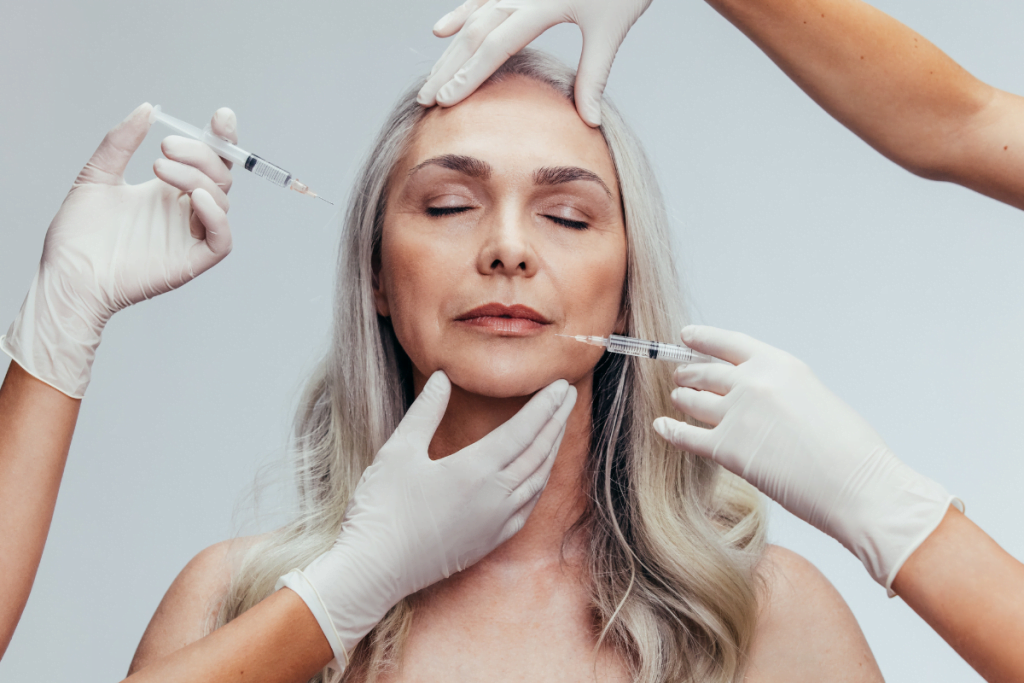
Botox, Dysport, and Juvederm should not be described as automatically vegan. Vegan Aesthetic Considerations for Botox start with a product-specific review of ingredients, biologic stabilizers, animal-testing context, and the ancillary products used during treatment. For clinics, the safest answer is usually conditional: verify the current label or Instructions for Use, define what the patient means by vegan, and document the discussion before treatment.
Why this matters in practice: patients may use vegan, cruelty-free, and animal-free as if they mean the same thing. They do not. A clinic needs a repeatable method for separating formulation questions from testing-history questions. That keeps booking, consultation, consent, and procurement aligned with broader Facial Aesthetic Planning.
Key Takeaways
- Vegan status is product-specific; avoid brand-wide assumptions.
- Botulinum toxin products raise biologic stabilizer and animal-testing questions.
- HA fillers may be non-animal in origin, but still need verification.
- Ancillary items can affect the ethical review of the visit.
- Document the patient’s definition, source reviewed, and wording used.
This page is written for licensed clinics, injectors, practice managers, and procurement teams.
What Vegan Aesthetic Considerations for Botox Include
Vegan Aesthetic Considerations for Botox include more than the active toxin. Clinics should review the final formulation, inactive ingredients, testing history, and the treatment bundle used around the injection.
The first step is terminology. A patient may ask whether an injectable is vegan, but the real concern may be narrower or broader. Some patients mean no animal-derived ingredients in the final product. Others include human-derived biologic materials, animal testing, packaging, topical anesthetics, cleansers, dressings, or emergency products that might be used during the visit.
Separate vegan, cruelty-free, and animal-free
These terms overlap, but they are not interchangeable. Animal-free usually refers to the formulation source. Cruelty-free usually refers to animal testing during development, regulatory work, or batch-related safety processes. Vegan may be used narrowly for ingredients or broadly for the entire care pathway.
- Formulation source: review active and inactive components.
- Biologic materials: identify human-derived or animal-derived inputs.
- Testing history: separate label ingredients from development history.
- Visit bundle: include prep, anesthesia, dressings, and aftercare.
- Patient standard: record the exact ethical threshold discussed.
Booking staff can capture the question, but they should not give an unsupported yes-or-no answer. A clinician, injector, or procurement lead should verify current materials for the exact product. This division protects accuracy and reduces the risk of overpromising at first contact.
Why it matters: A patient may accept an animal-free gel but decline a product linked to animal testing.
Botulinum Toxin Products: Why Clinics Should Answer Carefully
Botulinum toxin products usually require a cautious answer because the ethical question extends beyond whether the toxin is animal-derived. Botox and Dysport labeling has included human albumin, a plasma-derived protein, as a stabilizing component. Human albumin is not animal tissue, but some patients still consider biologic-derived materials outside their personal standard.
This distinction matters. Describing human albumin as animal-derived is inaccurate. Describing a final formulation review as a cruelty-free review is also incomplete. Vegan Aesthetic Considerations for Botox should therefore separate three issues: what is in the vial, how the product was developed or tested, and what the patient’s standard excludes.
Clinics also need to avoid treating every neuromodulator as ethically identical. Even products in the same category can differ in excipients, manufacturing details, label language, and supporting documentation. A comparison resource such as Botox Vs Dysport Vs Xeomin can help teams frame category differences, but it does not replace current prescribing information.
Animal-testing history remains a separate concern. A product may avoid obvious animal-derived ingredients in the final vial and still fail a strict cruelty-free screen. Because regulatory expectations and manufacturer processes can change, clinics should avoid marketing a neuromodulator as vegan or cruelty-free unless they can support that wording with current primary materials.
For workflow, a practical answer might be: the clinic can review the current product information and document whether the formulation and known supporting materials meet the patient’s stated standard. If the clinic cannot verify a claim, the safer position is to say the product may not align with strict vegan or cruelty-free preferences.
Juvederm and HA Fillers: Product-Level Review Still Matters
Juvederm raises a different review pathway from botulinum toxin products. Hyaluronic acid (HA) fillers are often discussed as non-animal in origin because many HA gels are produced through bacterial fermentation rather than animal tissue. That does not automatically make every filler vegan, cruelty-free, or acceptable to every patient.
For Juvederm, clinics should review the exact product version rather than the brand name alone. Lidocaine and non-lidocaine presentations, syringe configuration, accessory materials, and testing history can all affect how the answer is interpreted. The relevant document may be an Instructions for Use, patient safety information, or manufacturer-provided product material.
A filler appointment also involves more than the syringe. Topical anesthetics, antiseptic prep, needles or cannulas, dressings, and possible reversal pathways may matter to a patient seeking vegan-friendly injectable treatments. If the patient’s standard includes the entire encounter, the clinic should review each product used in the treatment pathway.
For clinical background on formulations and workflow, teams can review Juvederm For Clinics. Broader filler planning can also be supported by the editorial Dermal Fillers Hub, which organizes related educational content for clinic teams.
MedWholesaleSupplies serves licensed clinics and healthcare professionals, so product navigation should still be paired with label review and clinic-level consent processes.
A Clinic Workflow for Vegan Patient Questions
A written workflow helps every team member give the same careful answer. It also keeps ethical preferences documented beside medical history, consent, product selection, and lot-level records.
- Define the standard: ask whether the concern is ingredients, biologic materials, animal testing, or the full visit.
- Identify the product: record brand, formulation, presentation, and planned adjuncts.
- Review primary materials: use current prescribing information, IFU, or manufacturer safety documents.
- Check inactive ingredients: note stabilizers, excipients, and other relevant components.
- Assess ancillary products: include numbing agents, cleansers, dressings, and correction materials.
- Document the source: save the document name, version date, and review date.
- Record the wording: note the exact explanation given during consent.
- Escalate uncertainty: confirm unclear claims with the manufacturer or supplier.
Quick tip: Save the source document date with the consent note.
This process also supports sourcing discipline. Procurement teams can pair the ethical review with controls used for product selection, distributor checks, and inventory documentation. When browsing clinic-facing options, category pages such as Botulinum Toxins Catalog and Dermal Fillers Catalog can help identify which product families need closer verification.
For a B2B supply context, brand-name products should be checked through verified supply channels before they enter clinical inventory. That sourcing step does not determine vegan status, but it supports traceability when the team reviews labels, lots, and supporting documents.
How to Discuss Alternatives Without Overpromising
When a patient declines one injectable for ethical reasons, the next step is comparison, not automatic substitution. A different product may change the ingredient profile, but it does not automatically resolve animal-testing or ancillary-product concerns.
Clinics should separate medical alternatives from ethical alternatives. A product may be clinically appropriate and still not meet the patient’s value-based standard. Conversely, an option that appears more acceptable ethically may not be suitable for the intended treatment area, patient history, or clinical plan. Those decisions belong in clinician-led assessment, not booking scripts.
Some patients may ask about alternatives to Botox for vegans or alternatives to dermal fillers for vegans. Clinics can explain that each option needs its own review. Devices, topical protocols, skin boosters, HA fillers, and neuromodulators all have different materials, evidence bases, and documentation needs. None should be described as vegan-friendly by assumption.
Combination treatment plans need the same caution. If a clinic is reviewing neuromodulators and fillers in one aesthetic plan, the ethical screen should include every product in the sequence. For broader planning context, see Botox And Dermal Fillers Combined.
For patient communication, plain language helps. Staff can say that the clinic can verify ingredients and available product materials, but strict cruelty-free status may require manufacturer confirmation. This avoids a broad claim that the clinic cannot substantiate.
Common Documentation Gaps to Avoid
Most clinic errors come from answering too quickly. Vegan Aesthetic Considerations for Botox and related injectables should be handled as a documentation process, not a marketing label.
- Brand-wide answers: avoid saying a whole brand is vegan.
- Ingredient-only replies: do not ignore testing-history concerns.
- Outdated materials: recheck labels, IFUs, and safety documents.
- Unsupported scripts: give front-desk staff escalation language.
- Missing adjuncts: include prep, anesthesia, dressings, and aftercare.
- Unclear consent notes: record the patient’s definition and clinic response.
Documentation should also avoid implying a safety issue when the concern is ethical. If a patient declines a product because it does not meet a vegan or cruelty-free standard, the note should reflect that value-based decision accurately. This helps future visits and prevents confusion with adverse reactions, treatment failure, or contraindications.
Teams that provide neuromodulator services can also use category-level education such as the Botulinum Toxins Hub to keep staff aligned on terminology. For Dysport-specific clinical background, Dysport Injections provides additional context on how the product class is discussed in practice.
Authoritative Sources
For current label language and product-specific details, clinics should rely on primary materials rather than secondary summaries. Manufacturer pages can change, so save the document version used for counseling.
- For Botox label language, review the Botox Full Prescribing Information.
- For Dysport label language, review the FDA Dysport Prescribing Information.
- For device and filler regulatory context, consult the FDA Dermal Fillers Overview.
In short, vegan questions about Botox, Dysport, and Juvederm are best managed through verification, consent, and clear documentation. Define the patient’s standard first, review current product materials second, and avoid claims that extend beyond the evidence available to the clinic.
This content is for informational purposes only and is not a substitute for professional medical advice.