Cold chain

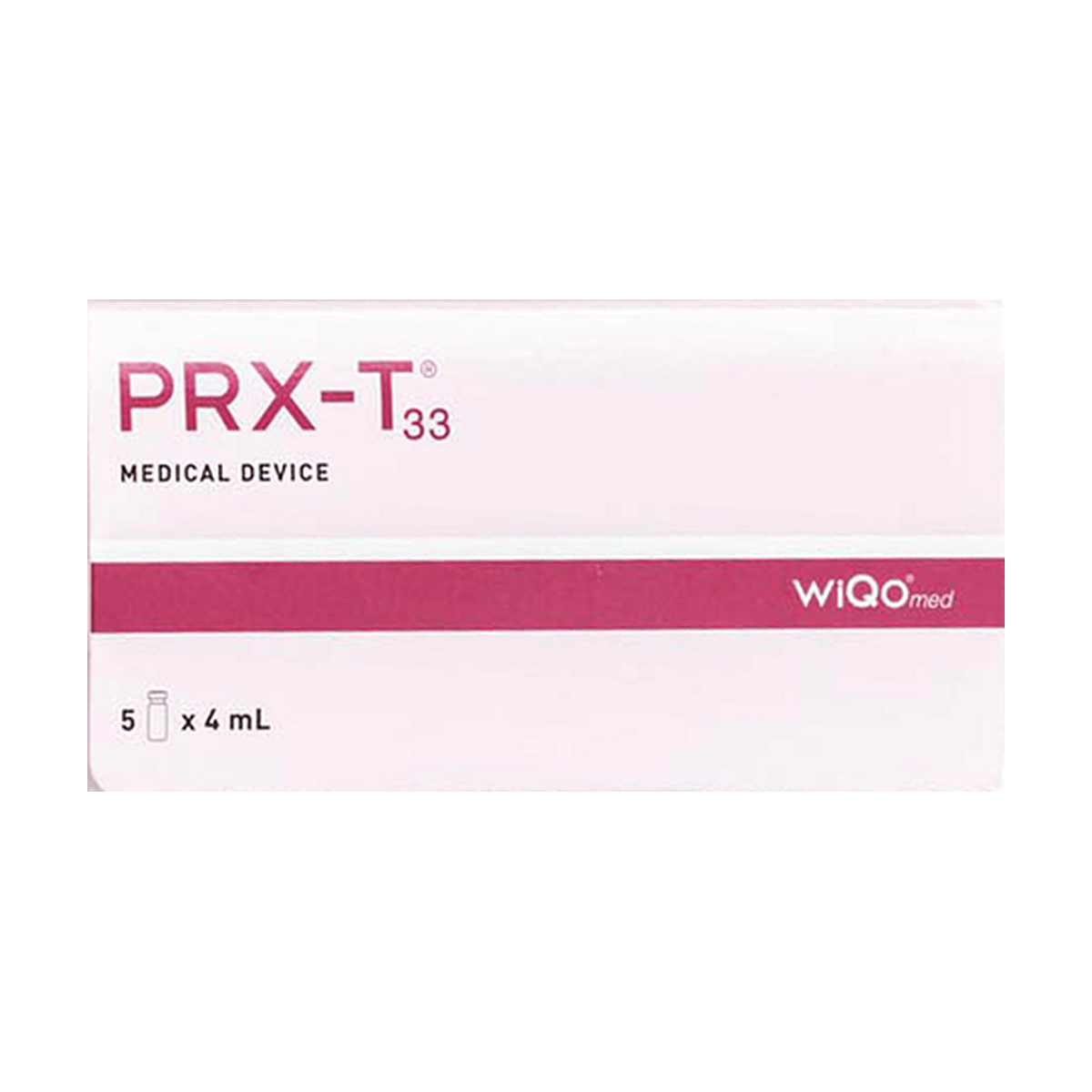
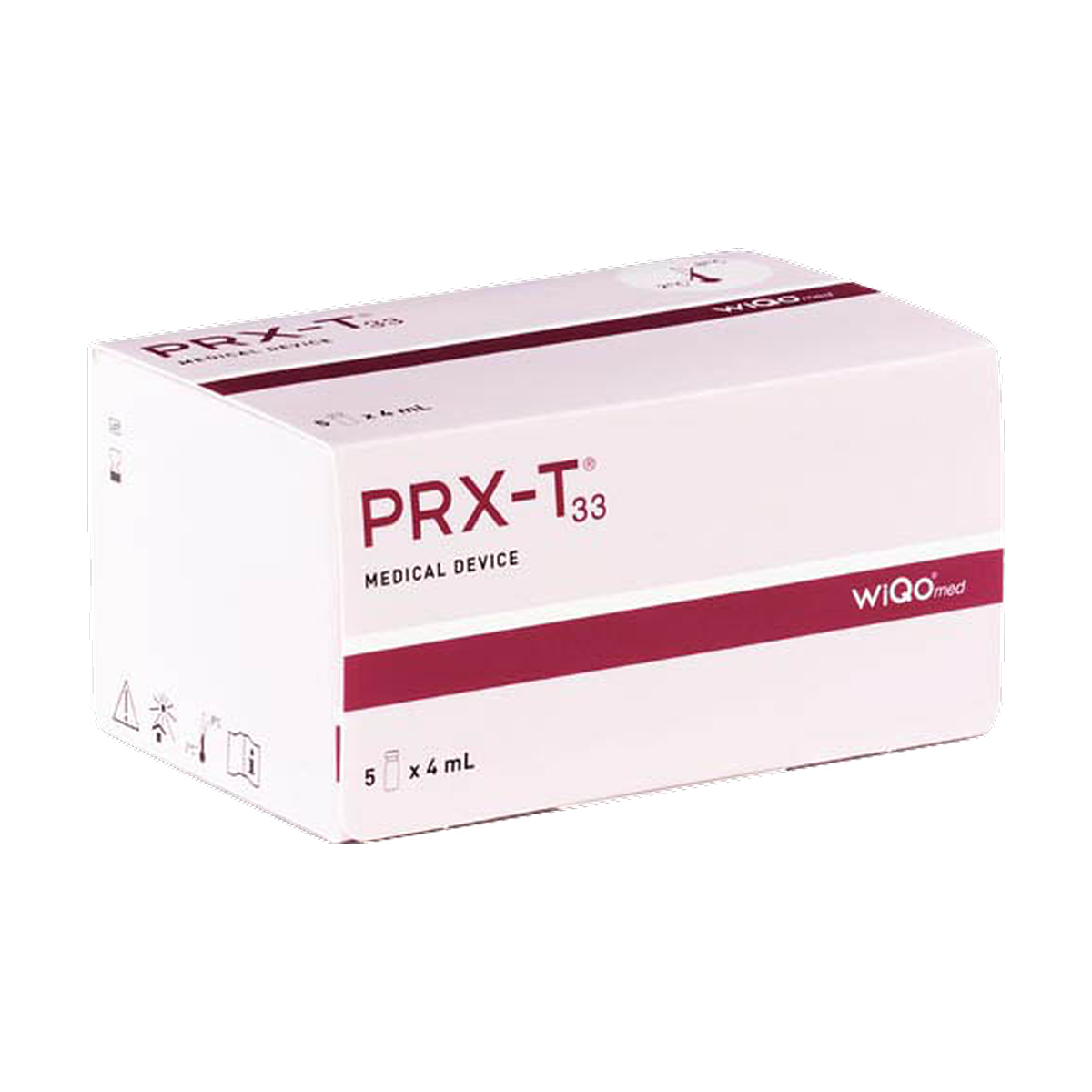
WiQo Italia S.r.l.
4ML x 5 VialsFor licensed clinicsIn stock
Order PRX-T33® WiQo for Clinics
Trichloroacetic Acid (Tca) And Hydrogen Peroxide
Free shipping on orders over $800
5% off your first order, applied at checkout
Order as a guest or log in. Your medical licence details are collected at checkout and checked against the state board and the NPI registry.
Treatment cost and margin plannerPlanning tool
Enter your own figures: the vials you use per treatment and what you charge per treatment. The table shows your product cost and margin per treatment at each quantity price. It does not suggest doses, prices or treatments.
| Quantity | Price per pack | Cost per unit | Cost per treatment | Margin per treatment |
|---|
Uses today's prices for the selected option before shipping and any other costs. Your figures stay in your browser.
Cold chain
Cool Temperature (2℃~8℃)
Ships in thermo-packaging with ice packs. Refrigerate on arrival.
Ships within 24–48 hours
Delivery typically 48–72 hours after shipping, up to 5–7 business days depending on origin and customs. Tracking is emailed when your order ships.
Warm or damaged on arrival?
Send us photos or a video. We investigate and arrange a replacement where needed.
Licence checks
Licences are checked against the state board and the NPI registry.
100% genuine products
In original manufacturer packaging, with lot numbers for full traceability. Lot numbers are shown on your packing slip and invoice.
250 active clinics · Supplying clinics since 2013
“Everything has been easy from ordering to delivery. The prices are good, orders arrive quickly, and the customer service has been great. I would definitely order from MWS again.”
We acceptVisa, Mastercard and American Express
Specifications at a glance
- Manufacturer
- WiQo Italia S.r.l.
- Generic name
- Trichloroacetic Acid (Tca) And Hydrogen Peroxide
- Package content
- 4ML x 5 Vials
- Main ingredient
- Trichloroacetic Acid (Tca) And Hydrogen Peroxide
- Drug class
- Cosmetic Skincare Product
- Drug type
- Non-Injectable Skin Rejuvenation Treatment
- Storage
- Cool Temperature (2℃~8℃)
- Who can order
- For licensed clinics and healthcare professionals.
About PRX-T33® (WiQo)
PRX-T33® is WiQo’s professional topical bio-revitalizing solution, supplied as a carton of five 4 mL vials for in-office use by trained clinicians. It is massaged into intact skin as a no-needle treatment aimed at skin quality: dull or rough texture, fine surface lines, uneven tone and the look of photoaged skin. Licensed clinics, med spas and physician practices can order PRX-T33 wholesale and review current pricing when placing an order.
Pack format and treatment-room planning
The carton holds five vials of 4 mL each, which suits a small, fast-moving aesthetic inventory rather than bulk storage. Volume used per session depends on the treated area, the number of passes in your protocol and whether you treat face only or add neck, decollete or hands. Build your reorder point from your own session logs instead of a fixed vial-per-patient assumption.
Decant or draw only what the session needs, and follow the manufacturer’s instructions for use for any opened-vial limits. Record lot number and expiry in the treatment note, the same way you would for any professional-use solution. That record matters if a patient reports a delayed reaction weeks later.
Quick tip: Keep one unopened carton as buffer stock when you add a new skin-quality service to the menu.
How PRX-T33 works and where it fits in practice
WiQo describes PRX-T33 as a solution combining trichloroacetic acid with hydrogen peroxide and kojic acid. The formulation is designed so the acid can act on the skin while the clinician works it in by hand, without needling and without the deep frosting pattern associated with conventional acid peels. The clinical endpoint is the one stated in the instructions for use, not a fixed timer.
Because application is topical and manual, the treatment sits between topical skincare and injectable skin boosters in most service menus. Clinics commonly use it as a standalone skin-conditioning session, as a maintenance step between energy-based treatments, or as a quality-of-skin layer alongside a broader facial plan. Published case series have also reported use on stretch marks and atrophic scars; treat that evidence as limited and discuss expectations honestly with each patient.
The manufacturer’s protocol pairs in-clinic application with a home regimen of WiQo-branded creams. If you do not stock that regimen, agree on an alternative post-care plan before the first session so patients are not left without guidance.
Regulatory status and professional-use scope in the United States
Be precise with patients and staff about status. PRX-T33 is a European-manufactured professional formulation and does not hold FDA approval or FDA clearance as a drug or device in the United States. Any clinical use described in marketing material from outside the US should be treated as outside US labeling, and any use beyond the manufacturer’s stated instructions should be documented as off-label.
Confirm that in-office use of a professional acid solution fits your state practice act, your supervision model and your malpractice coverage before you schedule treatments. Med Wholesale Supplies is a wholesale supplier of aesthetic, orthopedic and medical products to clinics, hospitals and medical professionals, operating since 2013, and we may review order details with your practice when a question arises.
Patient selection, contraindications and precautions
Screen before you book, not at the chair. Trichloroacetic acid preparations act on living skin, and the main risks are concentrated in the wrong patient rather than the wrong technique.
- Active infection in the treatment field, including herpes simplex outbreak, impetigo or folliculitis
- Broken, abraded, eczematous or recently lasered skin
- Known sensitivity to any component of the formulation, including kojic acid
- Pregnancy or breastfeeding, unless your protocol and prescriber guidance specifically allow it
- Recent isotretinoin use, per your practice’s standard waiting interval
- Keloid or hypertrophic scarring history
- Uncontrolled inflammatory skin disease in or near the area
Use added caution in Fitzpatrick IV-VI, where post-inflammatory hyperpigmentation is the most predictable complication of any acid treatment. Document a baseline photograph, discuss sun behavior, and confirm the patient can commit to daily broad-spectrum sun protection. Patients who tan deliberately or work outdoors without protection are poor candidates for a course of treatments.
Protect the eyes and mucous membranes during application. Keep sterile saline or water available for immediate irrigation if solution contacts the eye, and treat any eye exposure as an urgent event requiring assessment.
Handling, receiving and documentation
Check cartons on arrival against the packing note, then confirm vial count, seal integrity and expiry dating before the stock joins your shelf. Quarantine anything with damaged packaging, discoloration or a compromised seal rather than putting it into rotation. Store the vials as stated on the carton and keep them out of direct sunlight and away from heat sources in the treatment room.
Staff handling the solution should wear nitrile gloves and avoid skin contact on their own hands and forearms. Work over a protected surface, keep the vial upright, and avoid transferring solution into unlabeled containers. Dispose of residual solution and contaminated gauze according to your facility’s chemical and clinical waste policy.
Documentation should cover consent, lot and expiry, area treated, number of passes, observed endpoint, immediate response and the post-care instructions given. Consistent notes make it far easier to compare sessions in a treatment course and to explain outcomes to a patient who expected more.
Session workflow and what to tell patients
Cleanse and degrease the area, protect the eyes and hairline, and apply with the technique set out in the instructions for use. Keep timing, pressure and pass count consistent across the course, because inconsistent application is the usual reason results vary between sessions in the same patient.
Patients should be told what is normal and what is not. Transient stinging, warmth, tightness and erythema during and shortly after application are expected with acid-based treatments. Mild dryness or light flaking may follow over the next several days. Strict sun protection, no scrubs or retinoids until the skin settles, and no other resurfacing in the interval should be stated in writing, not only verbally.
Why it matters: Written aftercare reduces avoidable pigmentation complaints more reliably than any change in technique.
Adverse effects, complications and monitoring
Common, short-lived effects include burning or stinging on application, erythema, tightness, dryness and light desquamation. These usually settle without intervention and respond to bland emollients and sun avoidance.
Less common but clinically important problems include post-inflammatory hyperpigmentation, prolonged erythema, contact dermatitis, herpes simplex reactivation in susceptible patients, and blistering or scarring if the solution is over-applied or used on compromised skin. Review the patient at a defined interval in a treatment course, and bring forward the review if they report worsening pain, blistering, weeping, spreading redness or signs of infection. Patients should contact the clinic promptly rather than waiting for the next scheduled session.
Consider antiviral prophylaxis in patients with a clear history of perioral herpes, following your prescriber’s judgment. Pause the course if the skin barrier has not recovered from the previous session.
How it compares with other skin-quality options
Within an aesthetic menu, PRX-T33 overlaps with conventional superficial chemical peels, topical acid courses and injectable skin boosters, but the practical differences drive scheduling more than results claims do.
| Approach | Practical clinic consideration |
|---|---|
| PRX-T33 topical application | No needling; manual application; downtime expectations set in advance |
| Conventional superficial peels | Neutralization and frosting management vary by agent and strength |
| Microneedling-based protocols | Sterile consumables, bleeding risk and longer room turnover |
| Energy-based resurfacing | Device capital cost, operator training and defined recovery period |
None of these is a replacement for another, and ranking them is a clinical judgment specific to the patient’s skin type, goals and recovery tolerance. Many practices stock more than one so they can match the treatment to the appointment slot and the patient’s downtime limits.
Adding PRX-T33 to a clinic’s stock list
Before the first order, confirm three things: who in the practice is trained and authorized to apply the solution, what consent form you will use, and what post-care products you will supply or recommend. Then set a simple reorder rule based on expected sessions per month, keeping expiry dating in view so stock rotates rather than ages on the shelf.
Staff training should cover application technique, eye protection, spill response and the escalation path for an adverse reaction. A short written protocol pinned in the treatment room keeps technique consistent when more than one clinician delivers the service.
This content is for general informational purposes only and is not a substitute for professional medical advice, diagnosis, or treatment. Always consult a qualified clinician or pharmacist about your situation, and seek urgent care or call your local emergency number for severe or worsening symptoms.
Frequently asked questions
What is PRX-T33 used for in clinical practice?
Clinicians use it as an in-office skin-conditioning treatment for texture, superficial lines, uneven tone and the appearance of photoaged skin on the face, neck, decollete, hands and body. Published case series also describe use on stretch marks and atrophic scars, though that evidence is limited. Set expectations with the patient before starting a course.
Is PRX-T33 FDA-approved or FDA-cleared?
No. PRX-T33 is a European-manufactured professional formulation and does not hold FDA approval or clearance as a drug or device in the United States. Use beyond the manufacturer’s stated instructions should be documented as off-label. Confirm that in-office use fits your state practice act, supervision model and insurance cover.
Who should not be treated with PRX-T33?
Avoid treating broken, infected, eczematous or recently resurfaced skin, and anyone with known sensitivity to a component of the formulation, including kojic acid. Use caution with a keloid history, recent isotretinoin use, active herpes simplex and pregnancy or breastfeeding. In Fitzpatrick IV-VI, counsel carefully about post-inflammatory hyperpigmentation and daily sun protection.
How should the vials be stored and handled in the treatment room?
Store as stated on the carton, away from direct sunlight and heat, and keep vials upright in their original packaging. Staff should wear nitrile gloves, protect the patient’s eyes, and work over a protected surface. Follow the instructions for use for any opened-vial limits, and discard residual solution and contaminated gauze through your clinical and chemical waste route.
How much stock should a clinic hold per month?
Volume per session varies with treated area, number of passes and whether you add neck, decollete or hands, so base reordering on your own session records rather than a fixed figure. Each carton holds five 4 mL vials, which suits a small rotating inventory. Track expiry dating so stock turns over rather than ageing on the shelf.
Questions clinics ask
Who can order PRX-T33® WiQo from Med Wholesale Supplies?
PRX-T33® WiQo is intended for licensed clinics, med spas, aesthetic practices, and healthcare professionals using professional in-office protocols. A verified business account is required to view account pricing and submit purchase requests.
What is included in the PRX-T33® WiQo pack?
The supplied presentation is a clinic-ready box with 5 sealed vials of 4 mL each. Labels include lot and expiry information to support inventory control and treatment documentation.
Is PRX-T33® the same as Botox?
No. PRX-T33® is a topical biorevitalizing peel used for skin-quality protocols. Botox is a neuromodulator used for dynamic muscle-related lines. Clinics may use them for different aesthetic goals within separate protocols.
How should clinics handle PRX-T33® inventory?
Keep vials sealed until use, store according to manufacturer instructions, rotate by expiry, and record lot and expiry in treatment documentation. Allocating vials to scheduled treatment blocks can simplify room workflow.
What side effects should providers discuss before treatment?
Temporary redness, tingling, warmth, mild swelling, dryness, or sensitivity may occur. Providers should assess skin condition, review contraindication concerns, obtain appropriate consent, and give post-care instructions before use.
Can PRX-T33® be combined with other aesthetic procedures?
Clinics may include PRX-T33® in broader aesthetic programs, but sequencing should follow manufacturer directions, clinical assessment, and internal medical protocols. Staging procedures separately can help manage irritation and document response.

MWS Customer Service Team
Ordering in volume or opening a clinic account? Talk to us.
Our customer service team helps you choose the right pack, label option and quantity for your clinic, and sets up your first order.
Monday to Friday, 9am to 6pm ET
Why clinics order from MWS
Built for licensed clinics
Licences are checked against the state board and the NPI registry.
Every pack option named
Each option names its dosage and pack size, so you know which pack you are ordering.
Volume pricing up front
Quantity tiers are shown on the product, before you order.
Cold-chain packing
Refrigerated lines ship in thermo-packaging with enough ice packs to hold temperature for up to 10 days.
“The customer care team was very efficient in offering hand-held guidance to choose the most cost-effective options.”