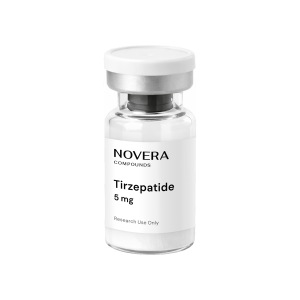
Tirzepatide
$71.00 - $499.00
View
Free shipping on orders over $800
5% off your first order, applied at checkout
Order as a guest or log in. Your medical licence details are collected at checkout and checked against the state board and the NPI registry.
Enter your own figures: the pads you use per treatment and what you charge per treatment. The table shows your product cost and margin per treatment at each quantity price. It does not suggest doses, prices or treatments.
| Quantity | Price per pack | Cost per unit | Cost per treatment | Margin per treatment |
|---|
Uses today's prices for the selected option before shipping and any other costs. Your figures stay in your browser.
Ships within 24–48 hours
Delivery typically 48–72 hours after shipping, up to 5–7 business days depending on origin and customs. Tracking is emailed when your order ships.
Warm or damaged on arrival?
Send us photos or a video. We investigate and arrange a replacement where needed.
Licence checks
Licences are checked against the state board and the NPI registry.
100% genuine products
In original manufacturer packaging, with lot numbers for full traceability. Lot numbers are shown on your packing slip and invoice.
250 active clinics · Supplying clinics since 2013
“Everything has been easy from ordering to delivery. The prices are good, orders arrive quickly, and the customer service has been great. I would definitely order from MWS again.”
Covidien Large Alcohol Prep Pads are single-use skin prep wipes saturated with alcohol antiseptic solution, in a larger pad format than a standard prep pad. Licensed clinics, med spas, hospitals and other healthcare professionals can order them for routine skin antisepsis before injections, venipuncture, capillary sampling and peripheral IV access. The wider pad covers a broader prep area in one pass, which helps at sites such as the abdomen, upper arm and antecubital fossa.
Why it matters: Prep pad size changes how many wipes a clinician uses per patient, and that drives both technique consistency and treatment-room stock levels.
Alcohol reduces transient bacteria on intact skin within seconds by breaking down microbial proteins and cell membranes. It acts fast, leaves no residue, and evaporates on its own, which is why alcohol wipes are the default prep for short, low-risk percutaneous procedures. Antiseptic action depends on contact and evaporation, so the site must be allowed to air dry rather than wiped or fanned.
Typical treatment-room uses include intramuscular, subcutaneous and intradermal injections, blood draws, fingerstick glucose testing, and skin prep before peripheral cannulation. Many teams also wipe vial septa, ampoule necks and needleless connectors before access, in line with their own protocol and the device or medication instructions for use. Alcohol does not replace hand hygiene, gloves or aseptic technique; it is one step inside a wider infection prevention routine.
Know the limits as well as the uses. Alcohol has poor activity against bacterial spores, and it works less well on skin that is visibly soiled or greasy. Wash and dry obviously dirty skin first. For procedures that need prolonged antiseptic persistence, such as central line insertion or surgical prep, facilities normally use a chlorhexidine-alcohol or iodine-based agent instead.
Large pads suit wider prep fields and sites where one standard wipe does not cover the planned needle entry area with margin. Clinicians who prep a single, well-defined point for a vaccine or fingerstick may prefer a standard pad, while teams doing abdominal subcutaneous injections, phlebotomy or aesthetic skin prep often reach for the larger format. Keeping one pad size as the room default also keeps technique consistent across staff.
Clinics can view current pricing for Covidien Large Alcohol Prep Pads and choose the quantity that matches real room use. A small pack works well for mobile bags, procedure trays, crash carts and satellite rooms that only need a top-up between bulk deliveries. For planning, estimate pads per patient encounter, multiply by weekly visit volume, then add a buffer for high-use days and for staff who prep two sites.
Use firm friction rather than a light pass. Most protocols call for a single pad per site, applied with mechanical friction over the intended puncture point and the skin immediately around it. After prepping, let the skin dry fully before the needle enters. Drying supports the antiseptic effect and reduces stinging on injection.
Alcohol prep pads are for external use on intact skin only. They are not wound cleansers, and they are not intended for mucous membranes. Review the patient and the planned procedure before use.
If a patient develops marked erythema, burning, blistering or a rash at a prepped site, stop using the product on that patient, document the reaction, and switch to a non-alcohol prep agreed with the supervising clinician. Repeated or spreading reactions warrant clinical review.
Check cartons at delivery for crushing, moisture damage and seal integrity. Individual pouches should feel soft and saturated; a stiff, dry pad usually means the pouch seal failed and the alcohol evaporated, so that unit should be discarded rather than used. Record lot numbers and expiry dates when your facility tracks consumables for traceability or incident review.
Store pads in their original packaging, at room temperature, away from heat sources, direct sunlight and ignition points, and follow the storage statement printed on the carton. Rotate stock by first-expiry-first-out so older cartons move to high-traffic rooms first. Do not decant pads into open jars or unlabeled containers; once the pouch is opened, the pad is single-patient, single-use, and immediate-use only.
Med Wholesale Supplies is a wholesale supplier of aesthetic, orthopedic and medical products to clinics, hospitals and medical professionals, operating since 2013, and we may review order details with your clinic when professional-use ordering requirements apply.
Different antiseptics suit different procedures. The table below summarizes where each agent is commonly used in clinic settings; it is a planning aid, not a ranking, and your facility protocol decides the final choice.
| Agent | Common clinic use | Practical notes |
|---|---|---|
| Alcohol prep pads | Injections, venipuncture, fingerstick, IV access, connector and septum wiping | Fast acting, residue-free, must air dry; flammable; limited persistence |
| Chlorhexidine-alcohol applicators | Vascular access device insertion, pre-procedural prep per policy | Persistent activity; avoid where chlorhexidine is contraindicated |
| Povidone-iodine swabsticks | Procedural prep, alternative when chlorhexidine is unsuitable | Needs dry time; can stain; iodine sensitivity should be screened |
| Sterile saline or water wipes | Cleaning soiled skin before antisepsis; sensitive skin | Cleansing only, no antiseptic action |
Many clinics stock alcohol pads as the routine prep and keep one persistent antiseptic on hand for procedures that call for it. Aesthetic practices often add a separate cleanser step to remove makeup and skin oils before any antiseptic is applied, since residue reduces contact with the skin surface.
Standardize prep technique across the team so every injection or draw follows the same steps. Include pad size, friction, dry time and disposal in new-staff competency checks and in annual refreshers. Consistency here reduces patient discomfort and keeps aseptic practice auditable.
Quick tip: Keep prep pads, gloves and sharps containers within arm’s reach at the point of care so the prepped site is never left exposed while staff reach for supplies.
Dispose of used pads as regular or regulated waste according to your facility waste plan, and never place a used pad on the prepped field. If your clinic documents consumables for adverse-event follow-up, note the product and lot in the procedure record at the time of use rather than later.
This content is for general informational purposes only and is not a substitute for professional medical advice, diagnosis, or treatment. Always consult a qualified clinician or pharmacist about your situation, and seek urgent care or call your local emergency number for severe or worsening symptoms.

MWS Customer Service Team
Our customer service team helps you choose the right pack, label option and quantity for your clinic, and sets up your first order.
Monday to Friday, 9am to 6pm ET
Why clinics order from MWS
Built for licensed clinics
Licences are checked against the state board and the NPI registry.
Every pack option named
Each option names its dosage and pack size, so you know which pack you are ordering.
Volume pricing up front
Quantity tiers are shown on the product, before you order.
Cold-chain packing
Refrigerated lines ship in thermo-packaging with enough ice packs to hold temperature for up to 10 days.
“The customer care team was very efficient in offering hand-held guidance to choose the most cost-effective options.”